







Introduction:Drip bags are convenient and practical, but brewing them to bring out great flavor is not easy. In addition to water temperature control, factors such as pouring technique, equipment selection, and coffee-to-water ratio all greatly affect the final taste. This article takes an in-depth look at five key details of drip bag brewing, including the ideal water temperature range, suitable cup types, small-stream segmented pouring techniques, and why it's not recommended to steep them like tea bags for extended periods. Whether you're a beginner or a daily coffee-drinking office worker, you can master these practical tips to enhance your brew’s flavor.
Thanks to their ease of use and portability, drip bags have become an important daily coffee choice for many people. However, even just adding hot water involves many nuances that can influence the flavor. From water temperature settings, pouring methods, to the coffee-to-water ratio, and even the type of cup used—all can impact the final extraction result. Mastering these details allows you to brew a balanced, flavorful, and captivating cup of coffee using the simplest method.
First, water temperature is one of the key factors that determines how coffee flavors are released.The suitable water temperature range for drip bags is about 86–95°C.This should be adjusted according to roast level. Generally speaking, light to medium roasted beans are best brewed with water at 90–93°C to bring out floral and fruity aromas along with bright acidity. For medium-dark roasted beans with caramel or spicy notes, a water temperature of 86–89°C is recommended to avoid extracting too many bitter substances. If you don’t have a thermometer at home, a simple method is to boil the water, then turn off the heat and leave the lid open—the temperature will drop to around 92–95°C after about 2–3 minutes, which is suitable for more acidic coffees. After 5–6 minutes, it drops to 87–90°C, ideal for bolder, fuller-bodied, and more bitter options.
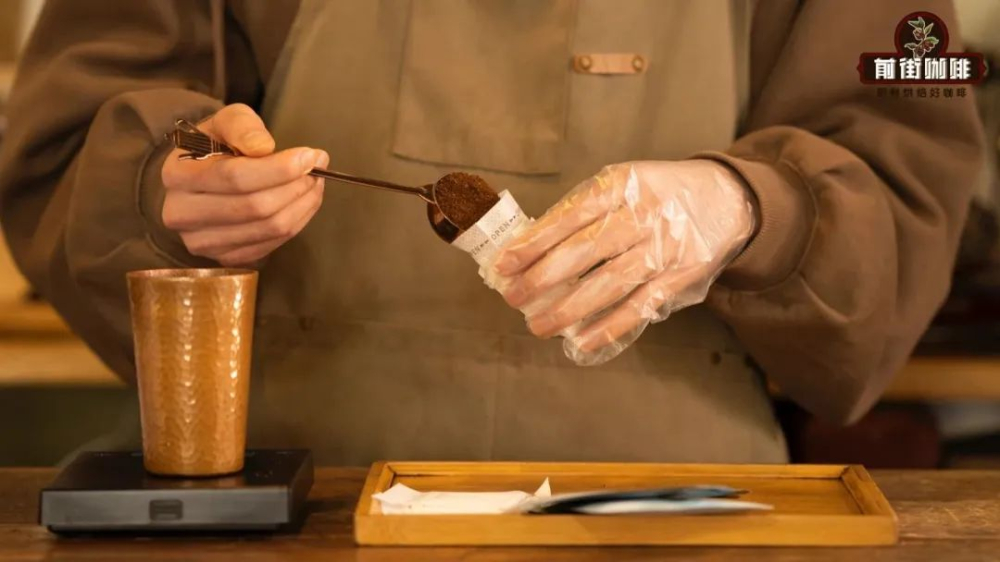
In addition to water temperature,the coffee-to-water ratio is also an important factor influencing taste.A typical drip bag contains about 10 grams of coffee powder, and the recommended total water volume is approximately 150–180 milliliters, equivalent to the 1:15 to 1:18 ratio commonly used in pour over brewing. If you prefer a richer coffee flavor, you can pour the water in three stages: first pour a small amount of hot water to wet the coffee grounds, let it sit for about 20 seconds, then pour the remaining water in two portions until the bag is about 90% full. The total brewing time is around one and a half minutes, with a total water volume of about 140–160 milliliters. For those who prefer a lighter, crisper taste, you can add another pour to bring the total water volume up to about 200 milliliters, resulting in a smoother flavor.
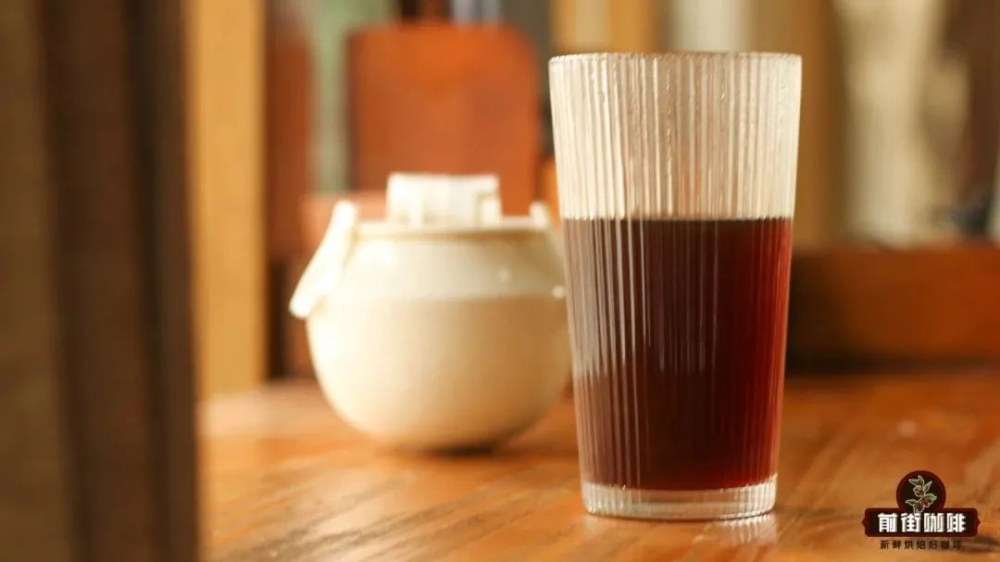
When it comes to equipment selection, although drip bags don’t require complex tools, the type of cup you use can also affect extraction performance.It is recommended to use a cup with a height of over 12 centimeters and a mouth diameter of less than 9 centimeters.Examples include tall glass cups or deep mugs. This not only allows the coffee to drip smoothly but also prevents the filter bag from sagging due to an overly wide cup opening, which could affect flow rate and extraction consistency. Additionally, a shallow cup may cause the brewed coffee to flow back and re-soak the coffee grounds, resulting in an overly intense or burnt/bitter taste.
The pouring method is equally crucial. Many people, aiming for convenience, pour all the hot water into the filter bag at once—but this can lead to uneven extraction, with some flavor compounds not being fully released. The correct approach is to usea small stream and segmented pouring technique.Even without a professional pour over kettle, you can control the pouring speed and angle using a regular kettle or thermos. Pour the water in segments, with each pour being about half the capacity of the filter bag, and allow short pauses between pours. This helps achieve even extraction, extends the total brewing time to approximately 1 minute and 50 seconds to 2 minutes, and makes the coffee flavor more three-dimensional and layered.
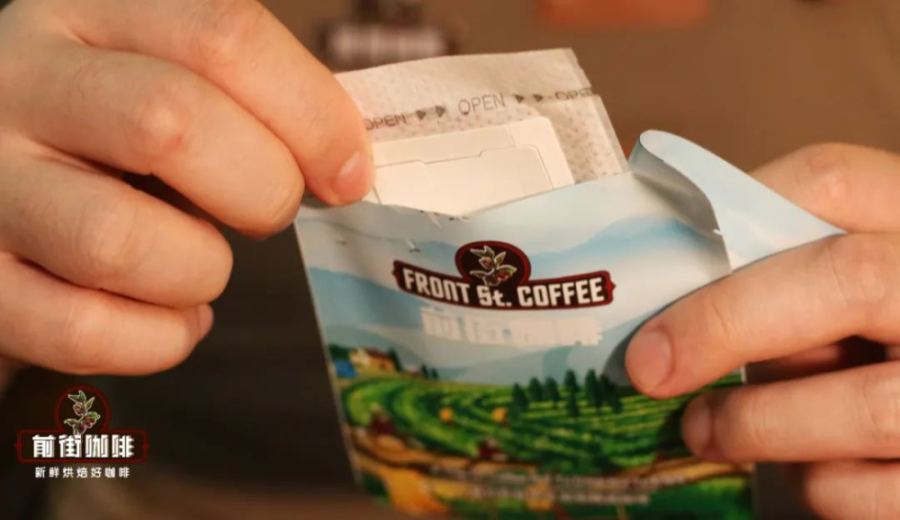
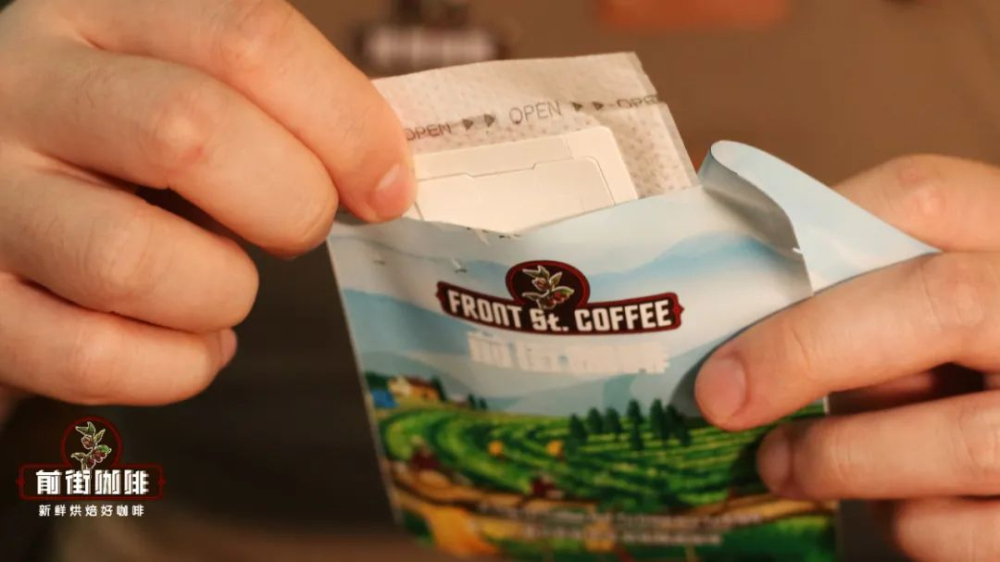
Finally, there is a common but often overlooked mistake:Do not frequently shake or tap the drip bag.Many people, upon opening the bag, habitually shake it to spread the coffee grounds, but this can cause fine particles to settle at the bottom, leading to over-extraction, bitterness, or even pooled water in the final sips. The correct method is to gently flick the seal strip on the drip bag, carefully tear it open, and then hang the two “ears” on the rim of the cup. Let the coffee grounds naturally lie flat inside the filter, which helps ensure stable extraction and smooth dripping.
The above content is compiled by CoffeeHunters, a coffee news website.


