







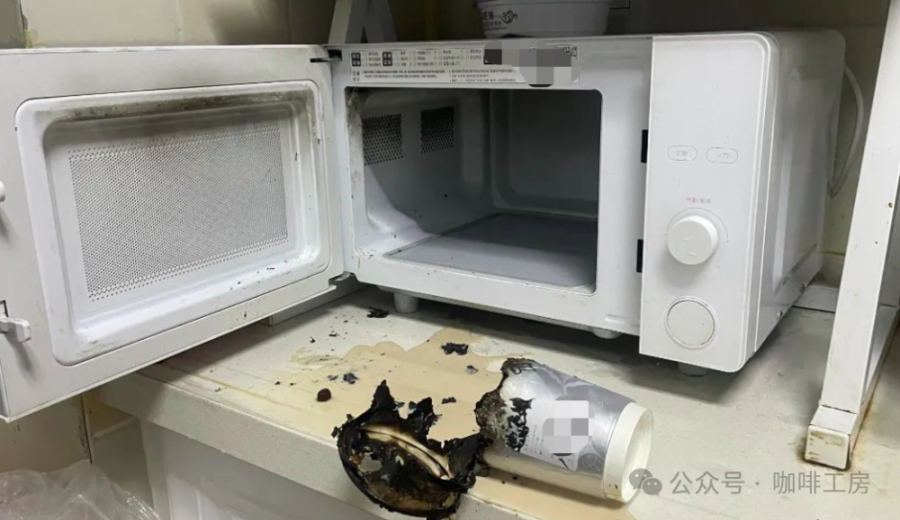
Introduction:A consumer in Fuzhou reheated a cooled Heytea drink in the microwave for just 30 seconds, which unexpectedly caused a fire that burned the upper half of the paper cup. In response, the brand stated that the cup contained metal material and was not suitable for microwave heating. What types of packaging materials pose risks? How can leftover drinks be safely reheated? This article delves into the safety hazards behind the incident and offers expert advice along with practical alternatives.
Recently, a resident in Fuzhou used a microwave oven at home to reheat a cooled Heytea drink. Just 30 seconds later, flames suddenly shot up inside the microwave, severely burning the upper part of the paper cup. According to the individual involved, they heard a “crackling” sound coming from the microwave during the heating process, and when they opened the door, flames burst out. They eventually managed to extinguish the fire by knocking the cup over with a spatula.
The individual had simply wanted to reheat a cooled Heytea drink, set the timer for one minute, and then walked away—never expecting such an accident to occur. They mentioned that they had previously microwaved drinks from other brands multiple times without any issues, but this time they came close to starting a fire, leaving them shaken.
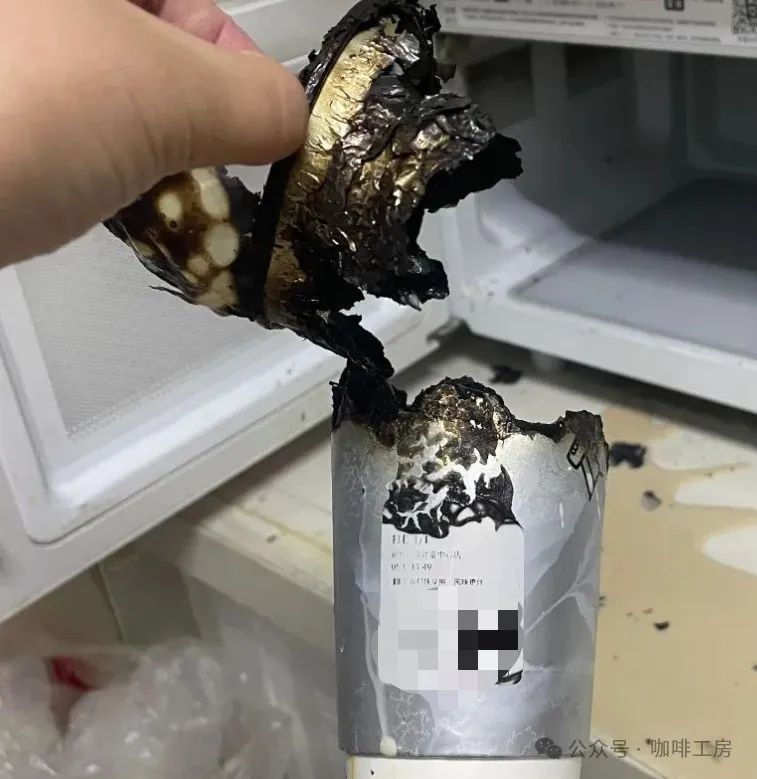
After the incident, they contacted Heytea customer service for clarification and were told that the paper cup used for the beverage contains metal material, henceit is not recommended to heat it in the microwave. This explanation also clarifies why flames appeared within just 30 seconds.
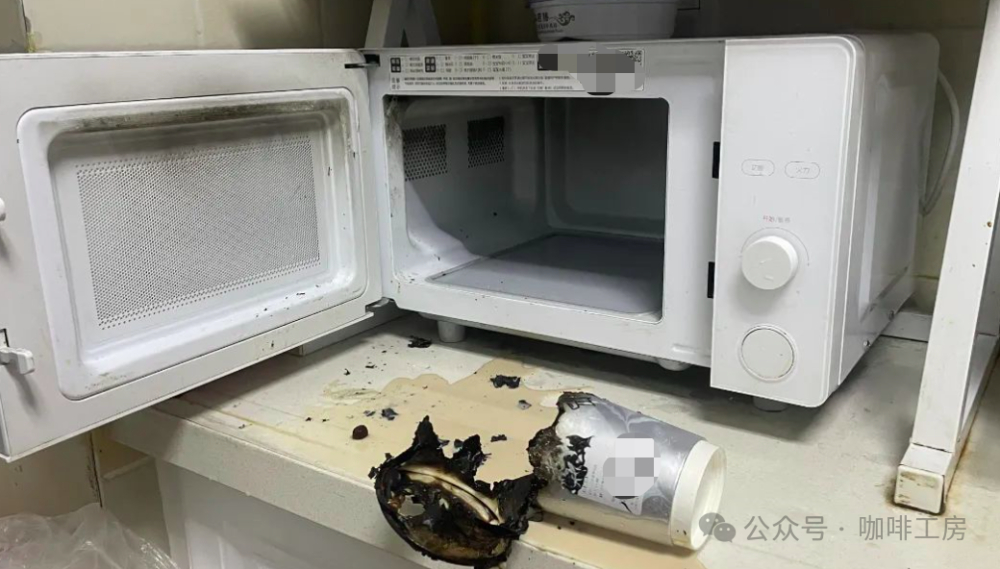
In fact, this is not the first incident where heating bubble tea has led to danger. Earlier this year, Jasmine Milk Tea’s gilded printed paper cups also caused similar flames and black smoke incidents when consumers attempted to heat them during cold weather, alarming many users.
On social platforms, many “bubble tea reheating enthusiasts” routinely place cold drinks directly into the microwave, with some even sharing their personal heating techniques. However, such practices carry hidden risks, especially when the packaging contains metal coatings or special printing processes.
In light of such incidents, some consumers are calling on brands to clearly indicate on packaging whether items can be heated in the microwave, particularly considering the common need to reheat leftover cold drinks. After all, consumer habits vary, and some may indeed wish to enjoy their unfinished beverages after warming them up.
In response, Heytea customer service stated that the current tea cups provided in stores all meet food safety standards and are designed for single use, butthey are not designed for microwave heating environments, so they advise consumers not to place the tea cups directly into the microwave. Instead, they recommend using other appropriate containers for heating.
As for whether packaging should be labeled with microwave usage restrictions, the brand responded that they have received many similar suggestions in the past and have compiled the feedback to submit to relevant departments for consideration in future product improvements.
Legal experts point out that according to the General Safety Requirements for Food Basic Materials and Products, products with special usage requirements should indicate the applicable temperature range; if exceeding specific conditions may pose high risks, clear warnings should be provided to consumers. Although there is currently no explicit regulation requiring tea cups to indicate whether they can be microwaved, from a risk management and real-world usage perspective, adding relevant warnings on packaging could help reduce the likelihood of accidents.
Professional advice recommends that if you need to reheat a cold drink, you should first transfer the beverage into a microwave-safe container such as ceramic or glass, and then proceed with heating. It is generally advised to heat at medium-low power for 10 to 20 seconds, adjusting based on the volume of the drink and the power of the microwave to avoid overheating, splattering, or container breakage. Never place the original packaging (especially paper cups with metal printing or decorations) directly into the microwave, as it may cause a fire or damage the appliance.
In summary, this incident serves as a reminder to consumers that while enjoying convenience, they should also pay attention to the limitations of packaging materials and choose the correct heating methods to ensure both safety and enjoyment.
The above content is compiled by CoffeeHunters, a coffee news website.


