








Introduction:Struggling with slow drawdown, weak flavors, or even bitterness when brewing high-density light-roast beans? This article delves into the causes of poor flow rate when brewing high-altitude, high-hardness beans like Ethiopia Gesha Village Red Label, and offers two practical solutions: the multi-pour method for beginners to practice water control, and the low-flow three-pour method tailored for more experienced brewers. Includes full parameters (15g dose, 92°C water temperature, 1:15 brew ratio), operation details, and flavor notes to help you consistently extract a specialty coffee with citrus, berry, and oolong-like aftertaste.
Many coffee enthusiasts encounter slow drawdown, incomplete extraction, and ultimately thin or unpleasantly bitter flavors when brewing high-altitude or light-roast beans. These "high-density" beans, with their compact structure and thick cell walls—especially varieties grown at high altitudes—are noticeably harder and denser than ordinary beans. During pour-over brewing, they tend to settle at the bottom of the filter basket, clogging the water channels and leading to over-extraction or uneven brewing.

Based on real-world experience, this article explains the key reasons why high-density beans are hard to extract properly and provides two practical solutions: a multi-pour method suitable for beginners still refining their water control, and a more precise low-flow three-pour method recommended for those with some pour-over experience. Using the popular Ethiopia Gesha Village Red Label as an example, we detail parameters such as 15g dose, sugar-like grind size (Ek43’s 10th click / 20-mesh sieve 75% extraction rate), 92°C water temperature, and specific pouring rhythms to help you brew a coffee with bright citrus, berry acidity, rose floral notes, and oolong tea undertones.
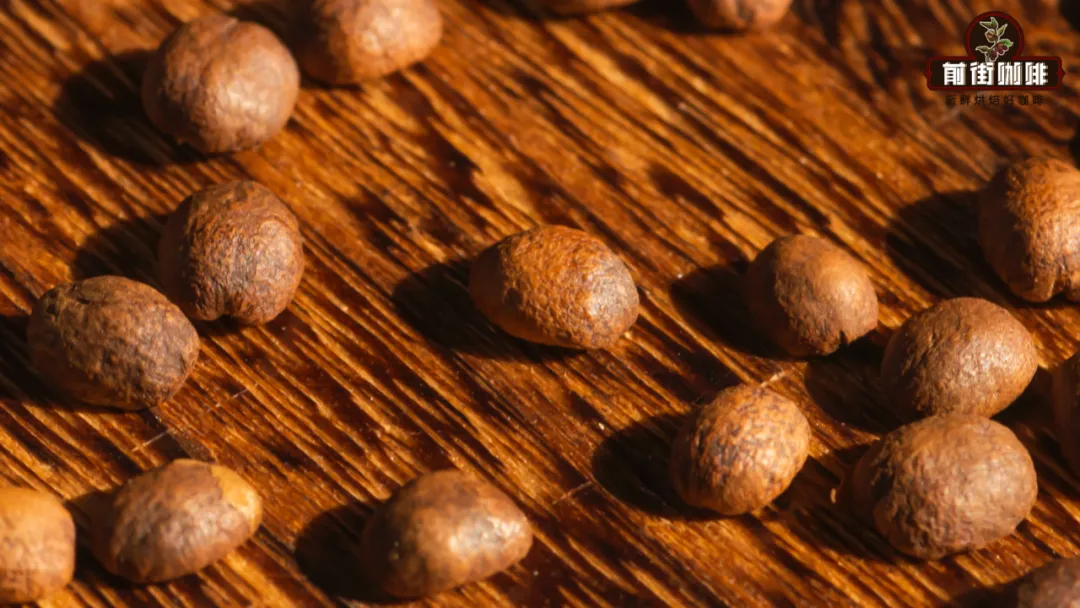
In practice, many report that high-density beans often result in "extremely slow drawdown," "weak flavors," "excessive bitterness," or even "dry mouthfeel." No matter how they adjust, it seems difficult to brew a balanced and satisfying cup with these beans. Either over-extraction from prolonged brew time, or channeling due to excessive bypass water leads to uneven and underwhelming results, causing frustration.
While there’s no shortage of discussions on this topic, many readers remain puzzled about how to properly handle these "easily clogged" and "high-risk" beans. Today, we’ll thoroughly analyze the characteristics of high-density beans and guide you step-by-step to master stable extraction techniques.
Why are high-density beans so hard to brew?
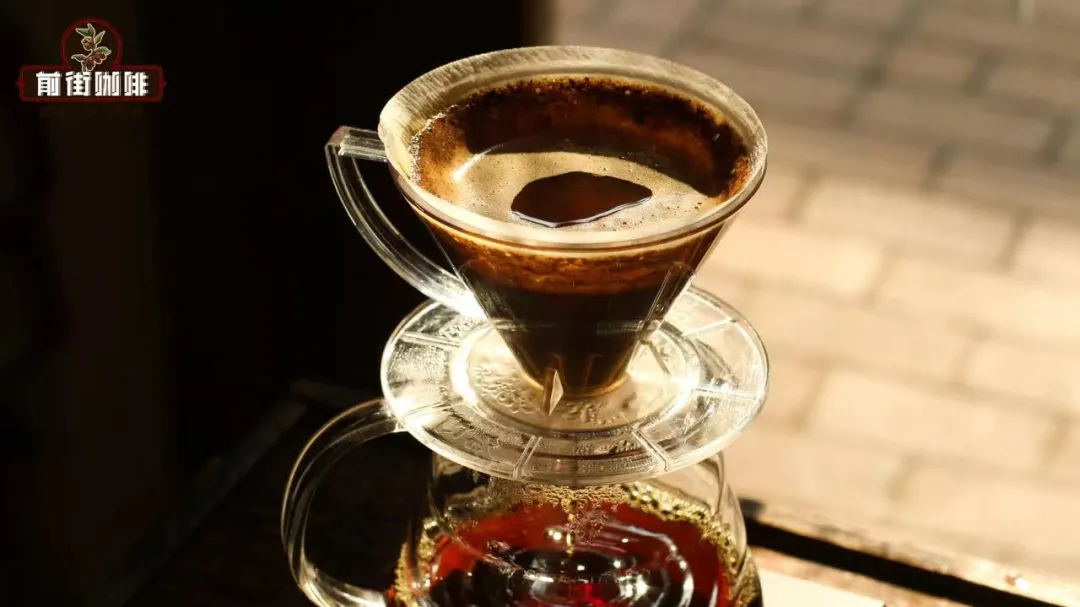
The term "high-density" refers to beans with high hardness and tightly packed internal structures. These beans typically come from high-altitude regions or undergo light roasting, with green bean density significantly higher than average. During brewing, this dense quality causes coffee grounds to settle more easily at the bottom of the filter basket, narrowing the water flow path. Even a slightly fast pour rate can lead to "much more water entering than exiting," causing the water level in the filter to rise continuously.
When the amount of water poured continuously exceeds the actual drainage speed, water in the filter basket can’t exit promptly, leading to two negative outcomes: first, prolonged soaking causes over-extraction, releasing excessive impurities and bitter compounds; second, disrupted water paths bypass most of the coffee grounds, extracting only the surface or localized areas, resulting in uneven extraction, thin flavors, and incomplete profiles.
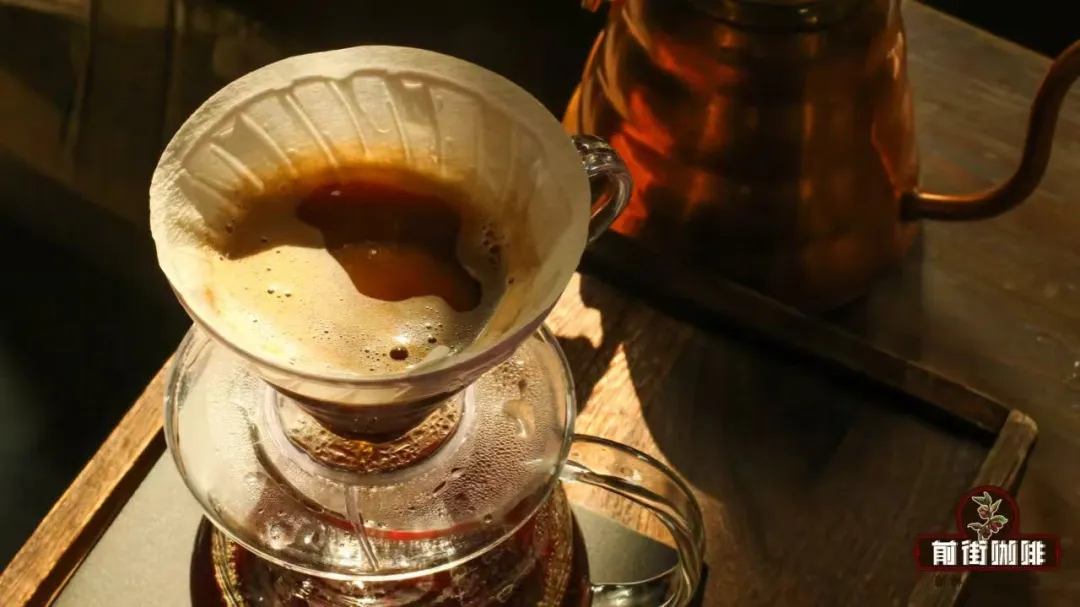
Some may consider using a coarser grind to improve flow rate. Indeed, a moderately coarser grind can slightly increase drawdown speed and reduce clogging. However, this adjustment has limited effect, and if the grind size is altered too drastically, it can lead to the opposite problem—under-extraction. Coarser grounds make it harder for hot water to penetrate the particles quickly, preventing full release of flavor compounds, especially problematic for already hard-to-extract high-density beans.
Thus, we don’t recommend coarse grinding as the primary solution, assuming your initial grind is reasonably set—that is, the resulting coffee bed isn’t too loose (indicating over-coarseness) or muddy (indicating over-fineness or too much fine dust). To address poor flow rate, a more effective strategy is to start by "reducing the pour rate."
How to successfully brew high-density beans?
Reducing the pour rate helps narrow the gap with the drawdown speed, preventing the water level from rising too quickly and submerging the coffee grounds. This ensures every drop of water evenly contacts the grounds, fully extracting flavor compounds. At the same time, it’s advisable to lower the pour height to reduce the impact force of the water stream, minimizing coffee bed agitation and fine particle settling, which helps prevent premature filter clogging.
Besides the inherent density of the coffee grounds, fine particle accumulation is another common culprit behind flow rate issues. By controlling pour speed and lowering pour height, the overall brewing process becomes more stable, significantly reducing the risk of extended extraction time due to excessive agitation, thus helping maintain flavor balance.
Below, we use Ethiopia Gesha Village Red Label as an example to demonstrate a low-flow three-pour method suitable for brewers with foundational water control skills. The entire process emphasizes detail and stability to help you tackle the challenges of high-density beans.
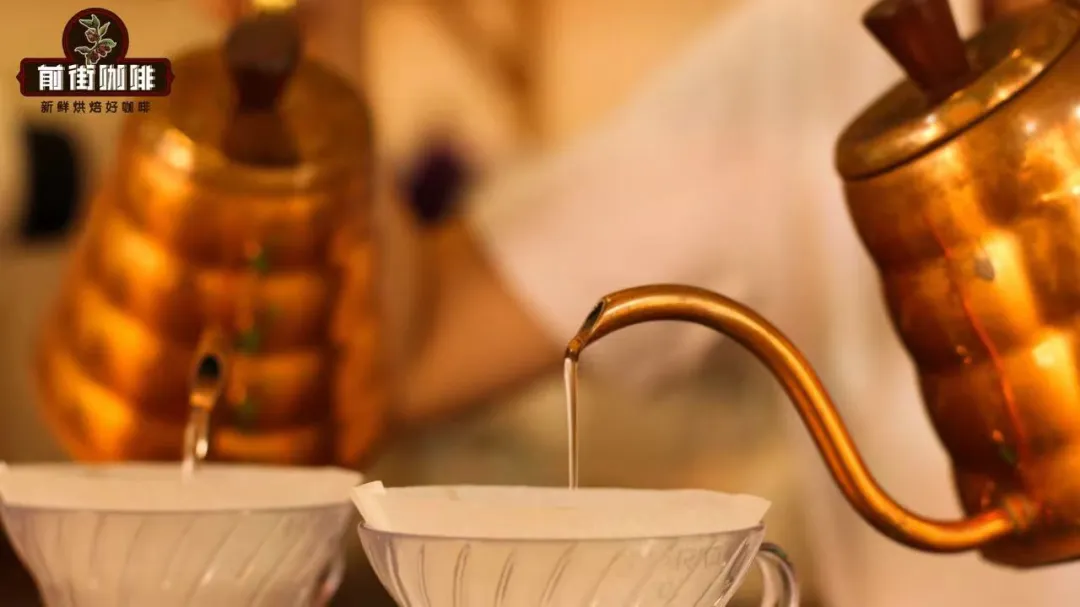
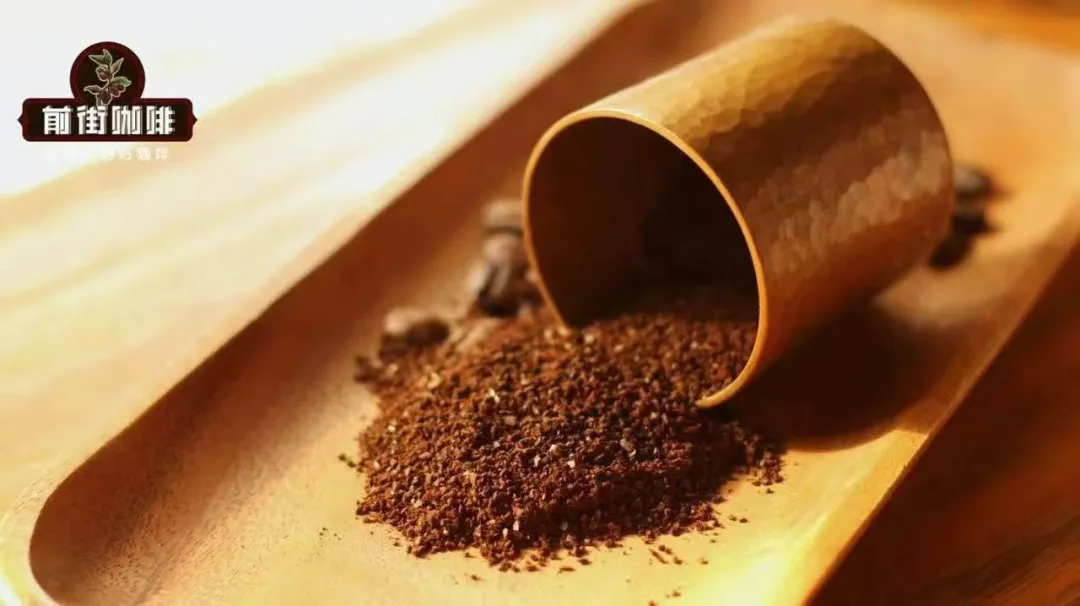
The coffee used here is Ethiopia Gesha Village Red Label, grown at approximately 2000 meters altitude, with a light roast profile. It combines the dual characteristics of high-altitude hardness and light roasting, making it a classic high-density, hard-to-brew bean. Recommended parameters: 15g dose, sugar-like grind size (Ek43’s 10th click / 20-mesh sieve 75% extraction rate), 1:15 brew ratio, 92°C water temperature, brewed using a V60 filter with a three-pour method.
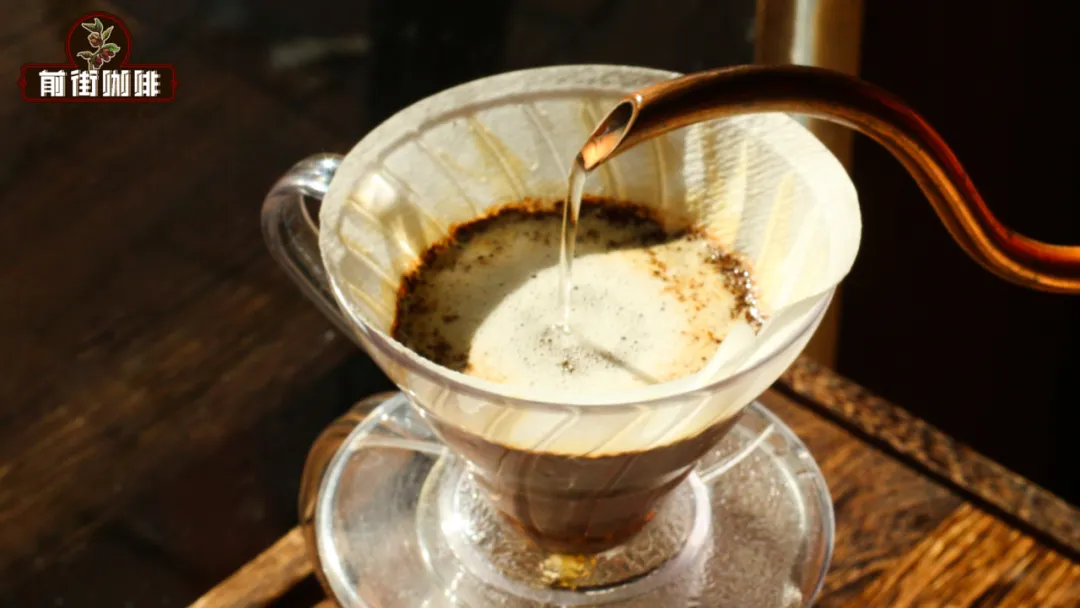
Step one: Pour double the dose (about 30ml) for a 30-second bloom to activate the coffee grounds.
After blooming, proceed to the second pour: a total of 120ml using a low flow rate (about 3ml/s). Start from the center of the filter and slowly spiral outward, repeating a "spiral" pouring path. Maintain a steady stream and moderate height until 120ml is poured. This stage takes about 1 minute and 10 seconds, then let it drip until around 1 minute and 45 seconds before starting the third pour.
The third pour also uses a low flow rate, adding 75ml. Narrow the spiral range this time, focusing on the central area of the coffee grounds to enhance core extraction. Once 75ml is poured (around 2 minutes and 10 seconds), wait for the remaining water to fully drip through, then remove the filter to complete the brew.
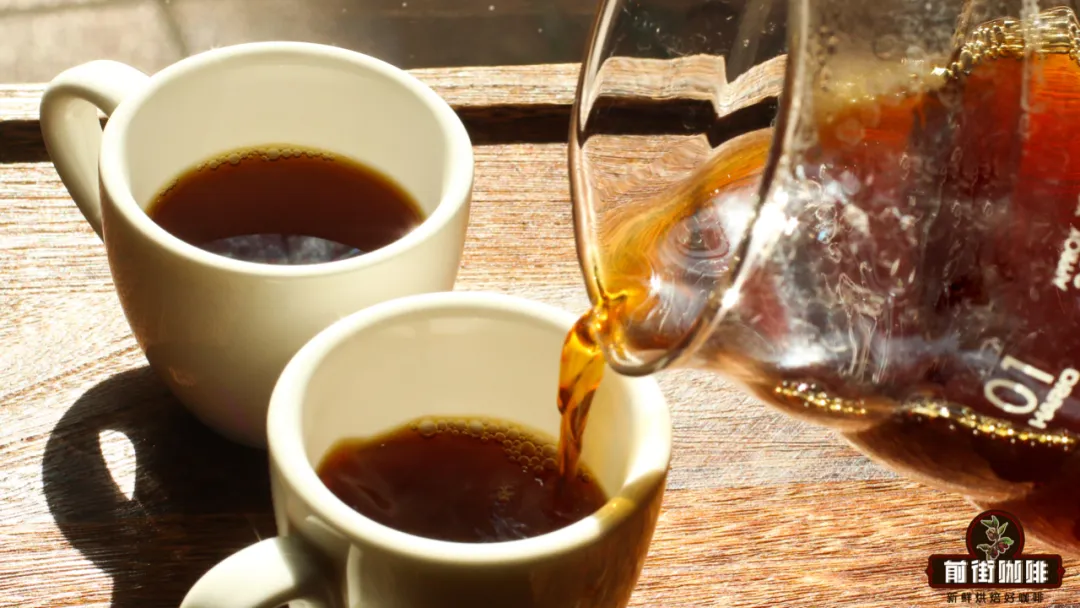
Total brew time is about 2 minutes and 31 seconds. Though slightly longer than usual, the low agitation and precise water control effectively avoid over-extraction, highlighting bright citrus and berry acidity alongside strawberry fermentation notes, rose floral tones, and a lingering oolong tea finish. The overall profile is rich, layered, and well-balanced.
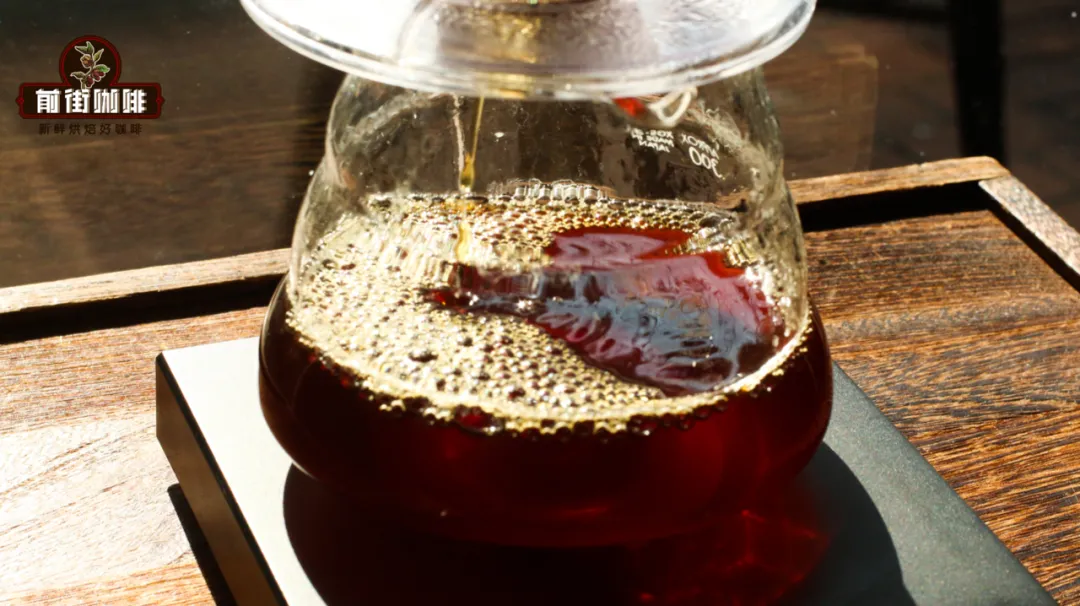
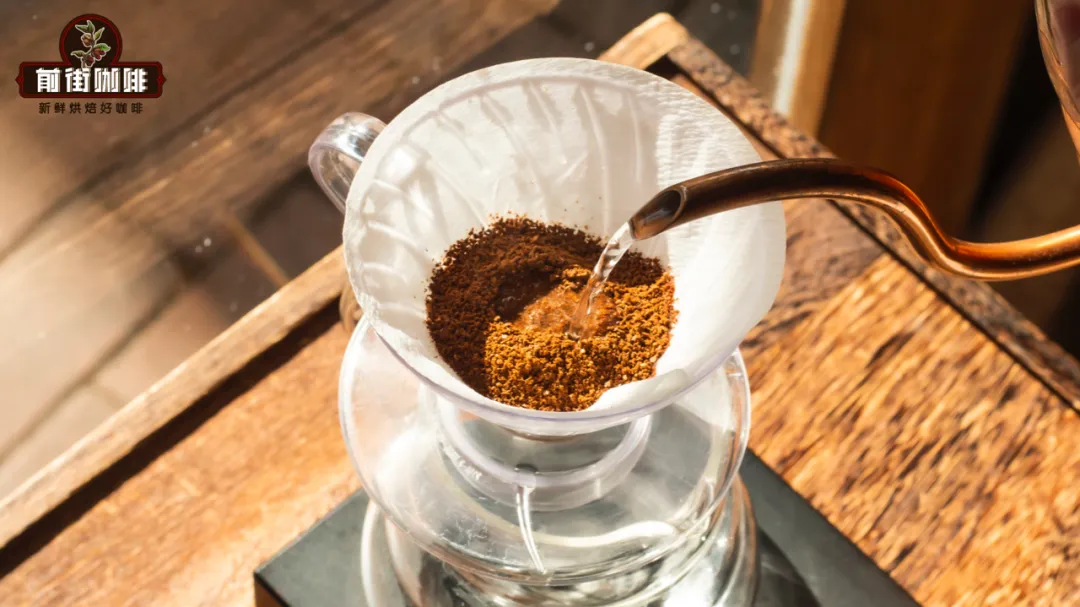
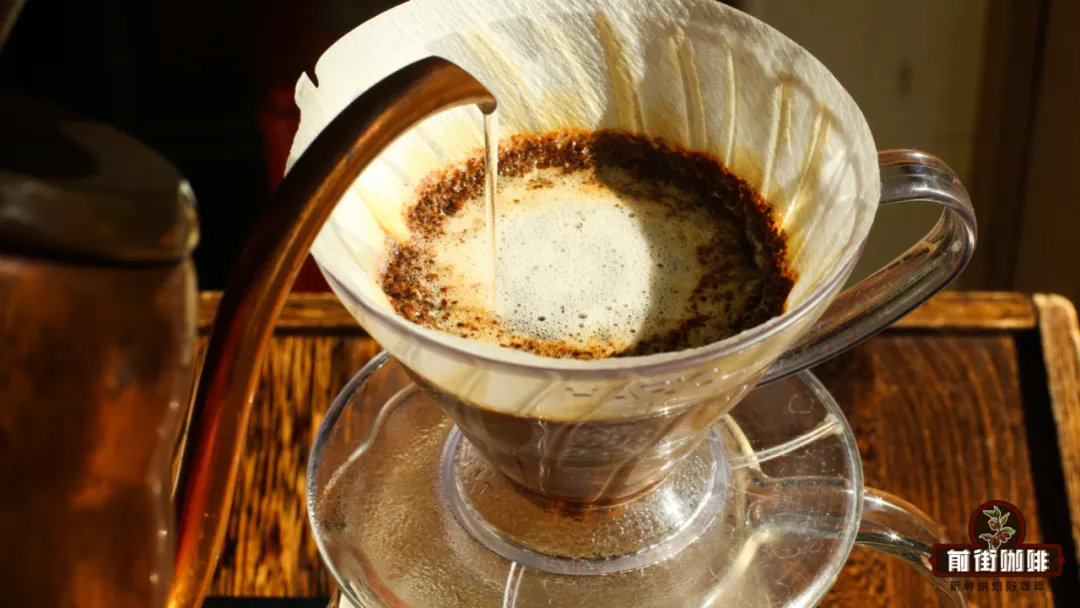
If your flow rate issue mainly stems from excessive fine particles rather than the beans’ density itself, refer to techniques for managing fine particle buildup. If you prefer a simpler multi-pour approach, you can also try 4–5 pours, suitable for beginners still mastering water control. With these two methods, you’ll be better equipped to handle the challenges of high-density light-roast beans and consistently brew impressive specialty coffee.
The above content is compiled by CoffeeHunters, a coffee news website.


