







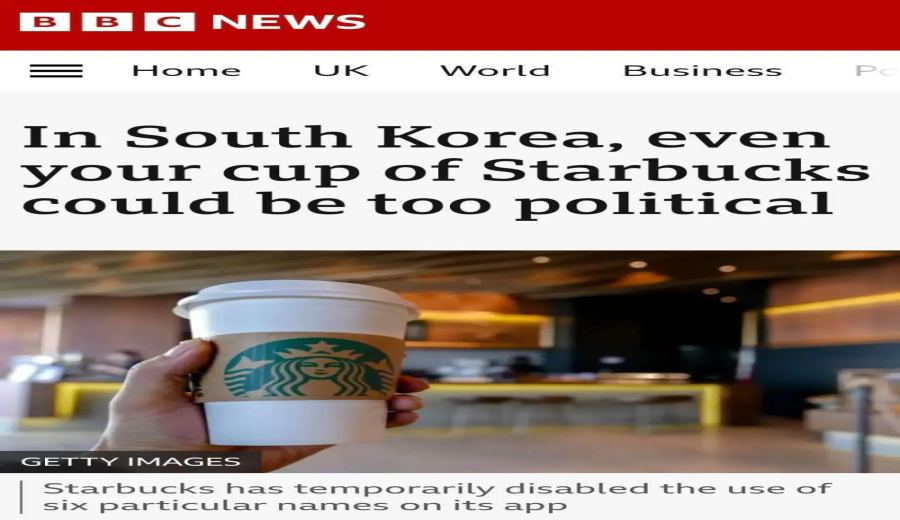
Introduction:As the South Korean presidential election draws near, Starbucks has sparked controversy after customers manipulated its "Call Me By My Name" service to use the names of multiple candidates as nicknames. The brand swiftly adjusted its policy, banning the use of the names of six major candidates and former President Yoon Suk-yeol as order aliases to uphold workplace etiquette and neutrality. This article analyzes the background of the incident, the brand’s response, and subsequent measures to help readers understand how coffee chains navigate politically sensitive issues.
With the South Korean presidential election scheduled for March 3rd next month, the race remains tight, prompting some members of the public to inject political humor into everyday life. Starbucks’ “Call Me By My Name” service, originally designed to foster a closer connection between customers and baristas, inadvertently became a platform for political expression. Many customers deliberately set the names of presidential candidates as their personal nicknames when placing orders via the app, leading to baristas publicly calling out these sensitive titles in busy stores—creating awkwardness and discomfort.
In response to this trend, Starbucks Korea quickly implemented new regulations, explicitly prohibiting the use of presidential candidates' names as app nicknames. Under the new policy, the names of six major candidates—including Lee Jae-myung of the Democratic Party of Korea—as well as former President Yoon Suk-yeol, are not allowed to be used as order aliases. Additionally, Starbucks has strengthened input restrictions on the app, preventing users from entering words that could cause embarrassment, discomfort, or make it difficult for staff to call out publicly.
The introduction of this policy highlights Starbucks’ firm stance on handling sensitive issues such as politics and religion. The brand stated that it does not take sides with any religious or political group and actively monitors and restricts the use of negative, blasphemous, or inappropriate language—especially terms that may cause discomfort or make it publicly challenging for staff to announce them. A Starbucks Korea spokesperson emphasized: "We actively monitor and restrict the use of negative language, blasphemous language, or any expressions that our staff may find difficult or inappropriate to call out loud."
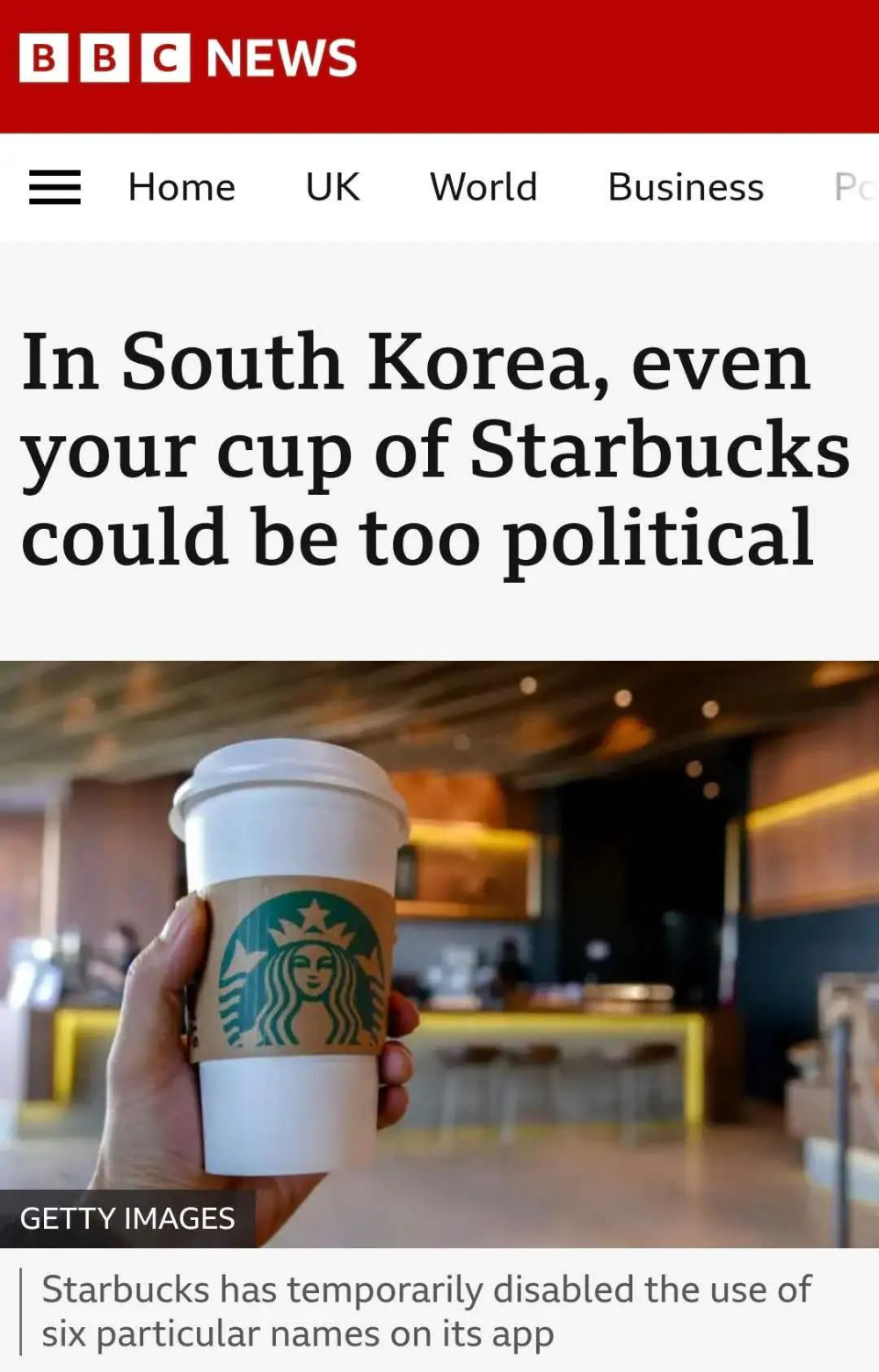
Beyond restricting the names of presidential candidates, Starbucks also clarified that it does not allow the addition of messages supporting or opposing any candidate within nicknames to avoid misunderstandings or unnecessary disputes. For example, if a candidate’s name is followed by text with an obvious stance, it will also be blocked by the system. Currently, this restriction applies only to those associated with the presidential election, while other political figures’ names remain unaffected—demonstrating the brand’s nuanced approach to policymaking rather than a blanket ban on politically related naming.
It is worth noting that this is not the first time Starbucks has imposed restrictions on user nicknames. In the past, the brand has also blocked profanity, vulgar, or offensive language to prevent baristas from having to shout out inappropriate titles in a busy store environment. However, it is reported that this is the first time Starbucks has implemented a comprehensive ban on all presidential candidates’ names, reflecting the brand’s heightened sensitivity and commitment to neutrality regarding this election.
Although the brand has stated that this restriction will be reassessed after the presidential election and that the public may once again be allowed to use the names of political figures as nicknames in the future, it will continue to prohibit the addition of potentially misleading phrases after names. Public reaction in South Korea to this move has been mixed. Some believe the brand’s decision to completely block candidate names to avoid controversy is overly strict and may even affect ordinary customers who happen to share the same names as the candidates. However, many consumers have expressed understanding of the brand’s intention to maintain store order and employee dignity, even if the rules seem cumbersome under the current political climate.
This incident also serves as a reminder to consumers that, in coffee consumption settings, respecting the feelings of baristas and fellow customers is just as important as savoring the coffee itself.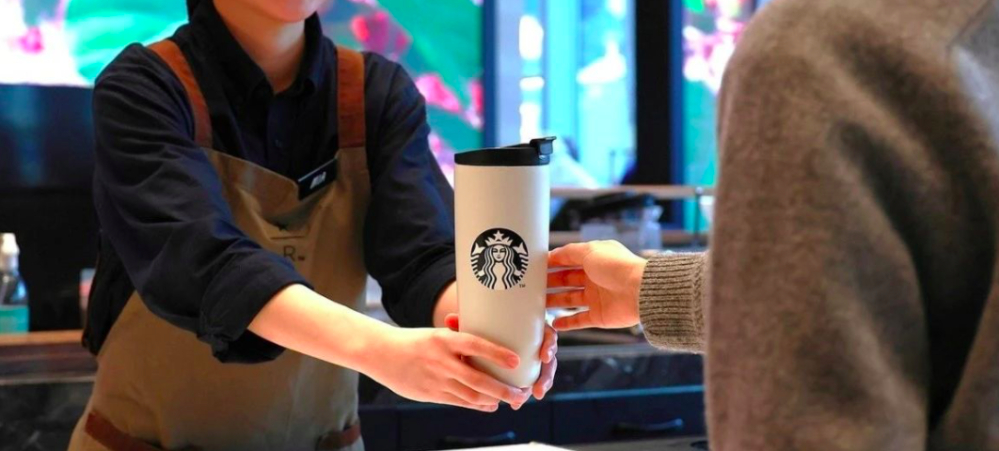
Through this policy adjustment, Starbucks has once again demonstrated its flexible strategy in responding to geopolitical and cultural differences around the world. For South Koreans about to participate in the election, perhaps while enjoying a cup of coffee, it’s also worth considering how to express personal opinions in public without affecting others or causing unnecessary inconvenience.
The above content is compiled by CoffeeHunters, a coffee news website.


