







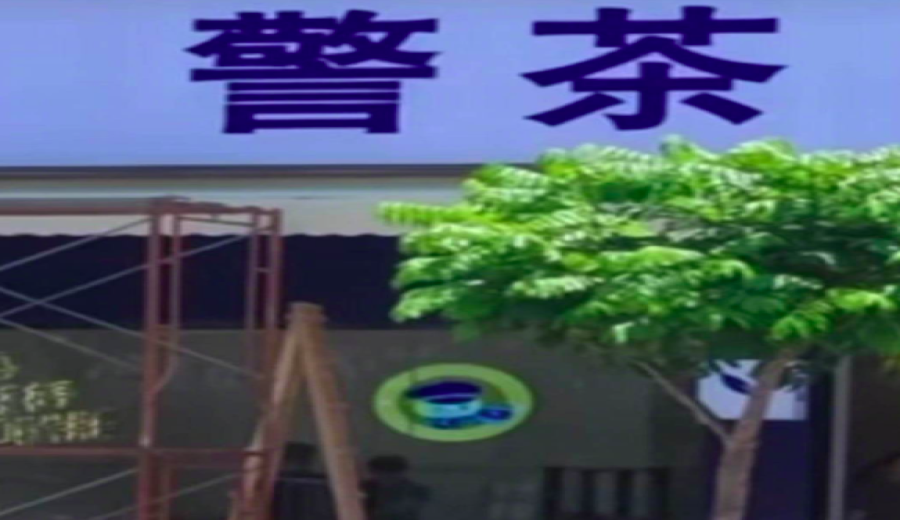
Introduction:A yet-to-open beverage shop in Guangzhou quickly became the center of public controversy after naming itself “Police Tea” (警茶) and decorating its storefront with cartoon images of police officers. Consumers expressed concerns that such naming could easily lead to misunderstandings, prompting regulatory authorities to step in for investigation. Where exactly is the line between commercial creativity and public signage? This article delves into the compliance issues surrounding the incident and shares essential legal and market knowledge to consider when naming a coffee shop, helping you avoid potential risks.
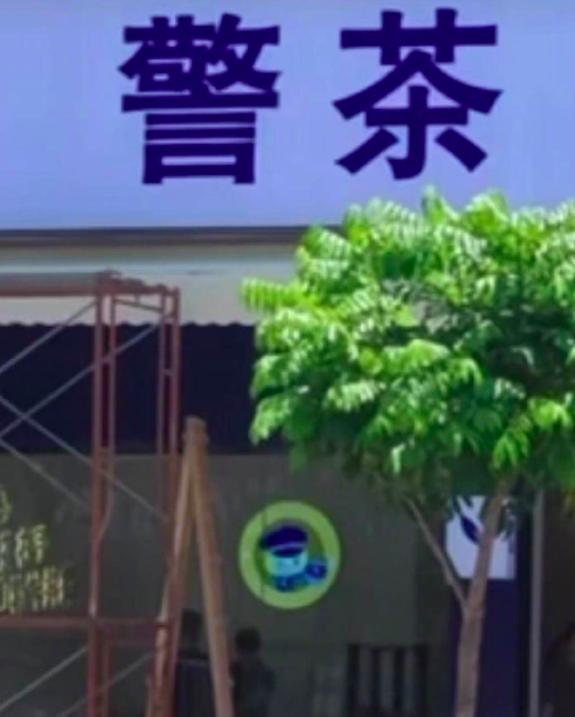
A beverage shop in Zengcheng District, Guangzhou, which had not yet officially opened for business, unexpectedly sparked widespread public discussion by choosing the name “Police Tea” and incorporating cartoon images of police characters in its store decoration. Although the shop was still under renovation and not yet open to customers, its “Police Tea” signboard and the cartoon figures resembling police uniforms plastered on the glass created a distinctly police-themed visual that left a deep impression on many passersby.
In fact, in recent years, police departments across the country have indeed distributed free beverages labeled with the words “Police Tea” as small giveaways during anti-fraud and community safety campaigns, and related reports have been occasionally seen. Therefore, when this privately-run beverage shop named “Police Tea” was exposed, many members of the public immediately associated it with possible official collaboration with the police or even speculated that it might be a government-established police-community service station.
However, when media tried to verify whether the shop had any connection with the police through the contact number listed on Baidu Maps, the person who answered the phone claimed to know nothing about it and promptly hung up. Later, reporters contacted the Liucheng Police Station in Guangzhou, which has jurisdiction over the shop’s registered address. Police officials clearly stated that the shop was privately operated and had no connection whatsoever with the police.
Faced with public skepticism, netizens were divided in their opinions. Some believed the business was simply using a homophonic pun for creative purposes and shouldn’t be overinterpreted; however, more consumers were concerned that a name like “Police Tea” combined with police-related imagery could easily confuse the general public, leading them to question whether private beverage shops should use names that could be so easily misconstrued.
Yesterday, the Market Supervision and Administration Bureau of Zengcheng District, Guangzhou, responded by pointing out that the name “Police Tea” itself did not appear to be problematic on the surface, but the cartoon-like police images used in the shop’s decoration could indeed lead customers to make incorrect associations. The Zengcheng Branch of the Guangzhou Public Security Bureau also stated that the situation had been reported to higher authorities for further investigation into whether any regulations had been violated.
Today, the Press Office of the Guangzhou Public Security Bureau responded to media inquiries by saying that they are currently looking into the matter in detail, but the final judgment would still need to be made by the competent market supervision authorities. The Zengcheng District Market Supervision and Administration Bureau confirmed that local market regulators had conducted an on-site inspection and that the matter was still under further investigation, with updates to be released to the public if any new information becomes available.
Legal experts commented on the incident, stating that it was inappropriate for the milk tea shop to use “Police Tea” as its name. According to the “Regulations on the Administration of Enterprise Name Registration,” while enterprises have the freedom to choose their names, this right is not unlimited. Specifically, enterprise names must not use, or indirectly use, the names, abbreviations, or specific designations of party or government organs; additionally, names must not violate public order and good customs or potentially mislead or deceive the public. The name “Police Tea” touches on several of these restrictions, as most consumers would naturally associate it with actual police institutions upon hearing it.
For entrepreneurs planning to open a coffee or beverage shop, this incident also serves as an important warning: when choosing a shop name, in addition to considering creativity and market appeal, one must also be mindful of potential violations of relevant laws and regulations—especially avoiding the use of terms related to government agencies, public services, or sensitive symbols. For example, in Taiwan or Hong Kong, shop names that too closely mimic public sector entities or use vocabulary with strong official connotations may also face scrutiny or consumer complaints.
In summary, while commercial creativity is certainly important, how to exercise it within the bounds of legality and compliance is an aspect that every shop owner must carefully evaluate during the preparation phase. If you plan to name your coffee shop in the future, it is advisable to first check the local enterprise name registration guidelines and avoid using words that could cause misunderstanding or raise compliance concerns, ensuring a smooth and unobstructed path for your brand’s development.
The above content is compiled by CoffeeHunters, a coffee news website.


