







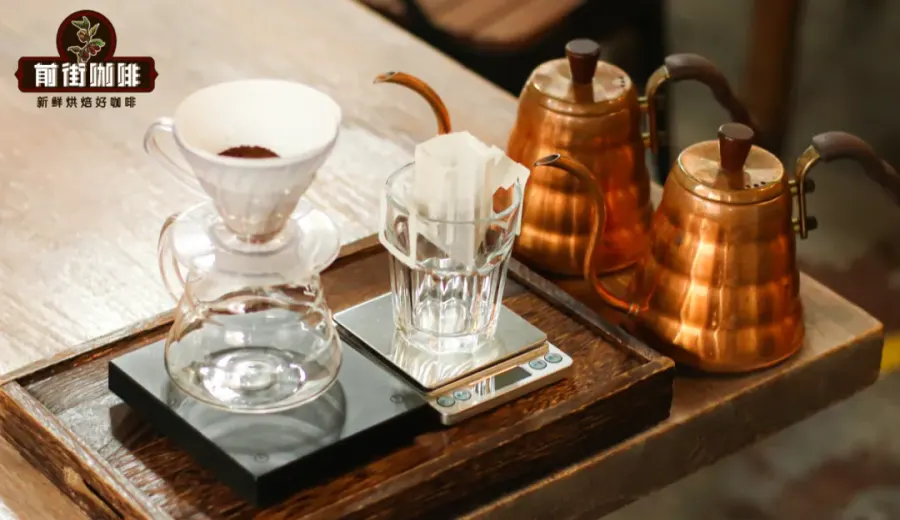
Introduction:Both pour over coffee and drip bags use the drip filtration extraction method, yet they deliver distinctly different coffee experiences due to variations in usage and design philosophy. This article delves into the differences between the two in terms of extraction principles, operation procedures, flavor profiles, and usage scenarios, helping you choose the most suitable brewing method based on your personal needs—whether you’re after refined flavors or convenient enjoyment, you’ll find the answer here.
Although both pour over and drip bag coffee employ drip filtration extraction, their positioning and original design intentions differ significantly. The basic principle of drip filtration extraction is to allow hot water to pass through a bed of coffee grounds by gravity, extracting soluble flavor compounds into the water to form coffee liquor. Though this process may seem simple, differences in how it’s performed and the state of the coffee grounds result in markedly distinct flavor expressions and user experiences between pour over and drip bags.
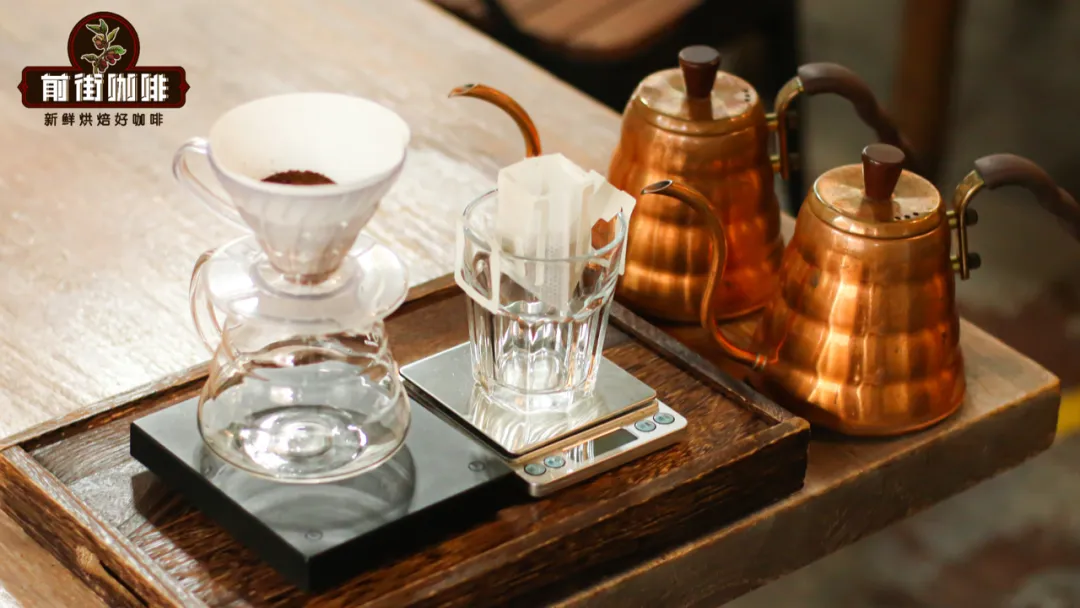
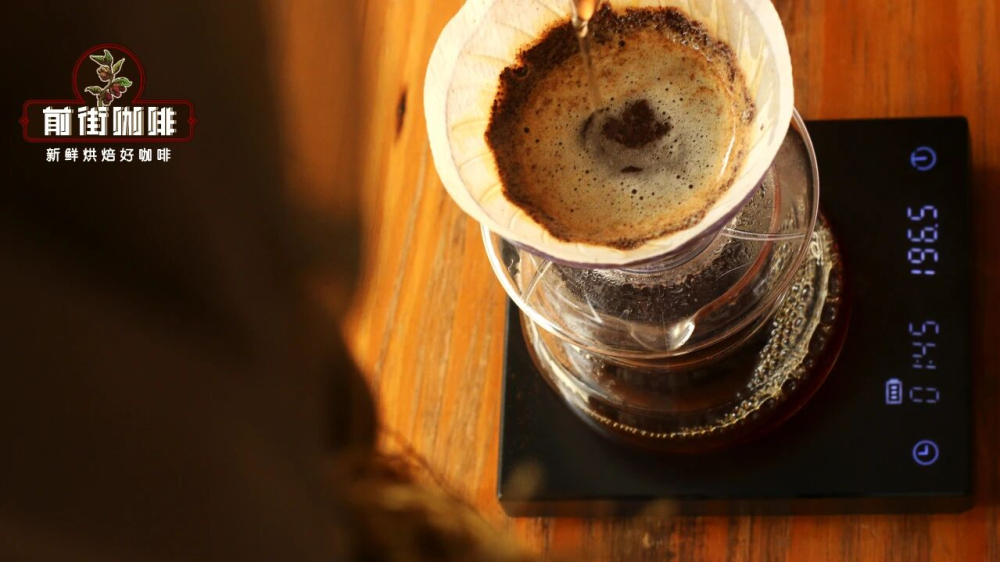
Pour over emphasizes manual flow control and high playability. It typically uses freshly ground coffee, which can more fully showcase the bean’s inherent flavors and intricate layers. Throughout the pour over process—from weighing beans, grinding, preparing the filter paper, pouring technique, to extraction time—every step can be adjusted according to personal preference, thereby influencing the final coffee flavor profile. This high degree of freedom makes pour over a top choice for many coffee enthusiasts exploring different beans and flavor expressions.
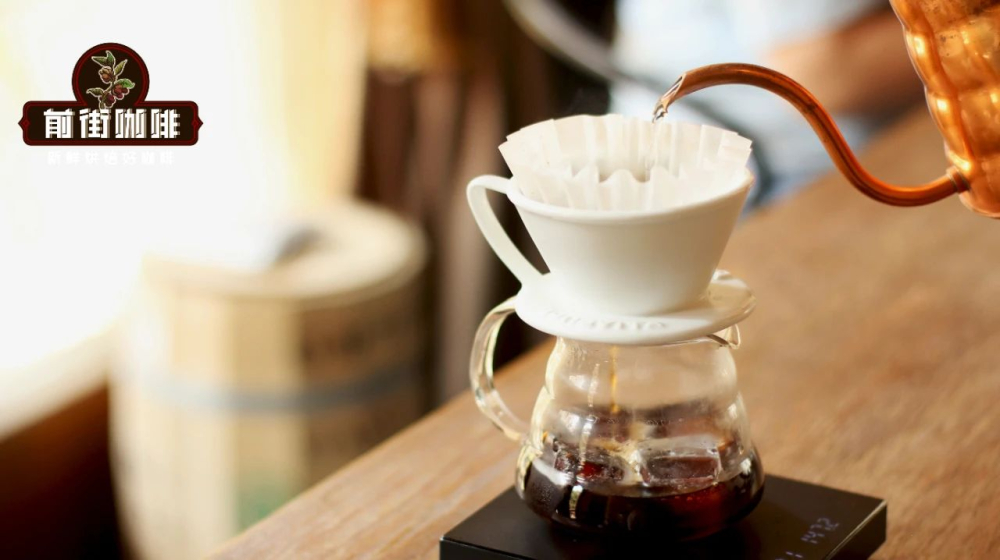
Generally speaking, pour over often employs higher-quality single-origin coffee beans, which can more clearly highlight the unique terroir characteristics of their origin. For example, beans from Ethiopia with bright fruity acidity or those from Central and South America offering a rich and balanced taste are common choices for pour over. For beginners, even when just starting out with pour over, as long as basic parameters are mastered, it's relatively easy to perceive the layers and distinctive traits of the coffee. Moreover, the entire pour over procedure—from weighing and grinding to pouring and brewing—is full of ritualistic charm, and many people also enjoy this focused coffee moment. If you'd like to experience a variety of flavor characteristics at once, you can try combinations that cover different origins and roast levels, which helps in understanding the foundational flavor profiles of various coffees.
Drip bags are considered a convenient version of pour over coffee. Their creation was mainly aimed at allowing coffee lovers to still enjoy the pleasure of drip coffee even when they don’t have access to full pour over equipment. A drip bag usually contains pre-ground coffee powder, paired with a non-woven fabric filter pouch, and is designed with paper “ears” that conveniently hang over the rim of a cup for brewing. This design allows users to simply prepare hot water and a cup to effortlessly complete the brewing process, greatly simplifying the operation steps.
The greatest advantage of drip bags lies in their convenience. There’s no need for grinding or complex equipment—just a cup and a kettle, and you can enjoy a cup of drip coffee anytime, anywhere. This characteristic makes drip bags an ideal choice for travel, office use, or outdoor activities. At the same time, drip bags are usually compact and easy to carry, suiting the fast-paced lifestyle of modern individuals. For those who are usually busy but occasionally want to enjoy the taste of pour over, drip bags offer a decent compromise.
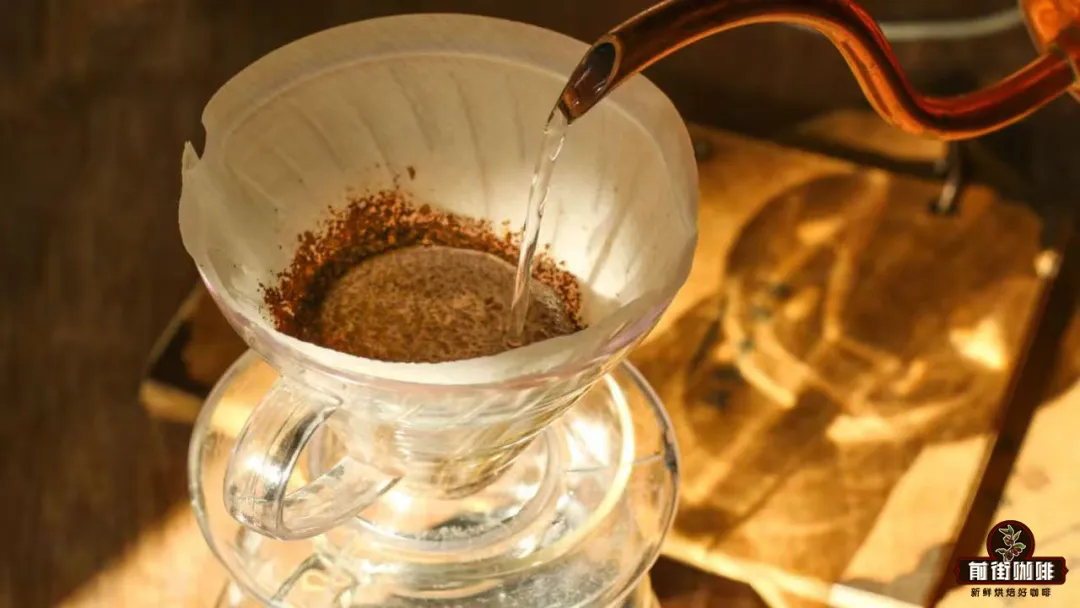
So, what exactly are the differences between pour over and drip bag coffee? The core distinction lies in the state of the coffee grounds used. Pour over typically uses freshly ground coffee—that is, the coffee beans are ground just before brewing—which maximally preserves the aromatic compounds of the coffee. Coffee aroma mainly comes from volatile compounds, which gradually dissipate after roasting, especially accelerating in loss after grinding. Therefore, freshly ground coffee can deliver richer and more vivid flavor expression during brewing.
In contrast, drip bags use pre-ground coffee. Although sealed packaging can slow down aroma loss, the freshness of the flavor can still be affected over time. In addition, since the grind size is already fixed, drip bags have limited flexibility in adjusting brewing parameters. Unlike pour over, where you can flexibly adjust grind coarseness, water temperature, and pouring method based on bean characteristics, roast level, and personal taste to shape diverse flavor profiles.
In summary, although both pour over and drip bag coffee use the drip filtration extraction method, their design philosophies and goals are fundamentally different. Pour over emphasizes the precision of manual control and the diversity of flavors, making it suitable for coffee enthusiasts who have the time and are willing to learn and explore. Drip bags prioritize convenience, enabling users to effortlessly enjoy a cup of stable-quality drip coffee even within a busy life. Understanding these differences allows you to make the most suitable choice based on your lifestyle, taste preferences, and usage context.
The above content is compiled by CoffeeHunters, a coffee news website.


