







Introduction:While food delivery platforms compete to roll out promotional subsidies, allowing consumers to enjoy bubble tea at low prices, bubble tea shop employees are facing unprecedented work pressure. This article delves into how stores of brands like Jasmine Milk Tea (茉莉奶白) cope with surging orders, staff and material shortages, as well as dual pressures from riders and customers during this order explosion, revealing the real situation frontline workers face in the backdrop of the delivery subsidy war.
Recently, competition among delivery platforms has intensified further. In addition to the ongoing rivalry between JD.com and Meituan, Ele.me has also joined the fray, offering a large number of coupons and subsidies to attract users. For consumers, this means being able to purchase bubble tea at astonishingly low prices—some drinks originally priced at over ten yuan can be bought for just a few cents after subsidies, leading to a surge in order volume. However, behind this seemingly beneficial “delivery frenzy,” employees at bubble tea brands like Jasmine Milk Tea are facing significant work challenges.
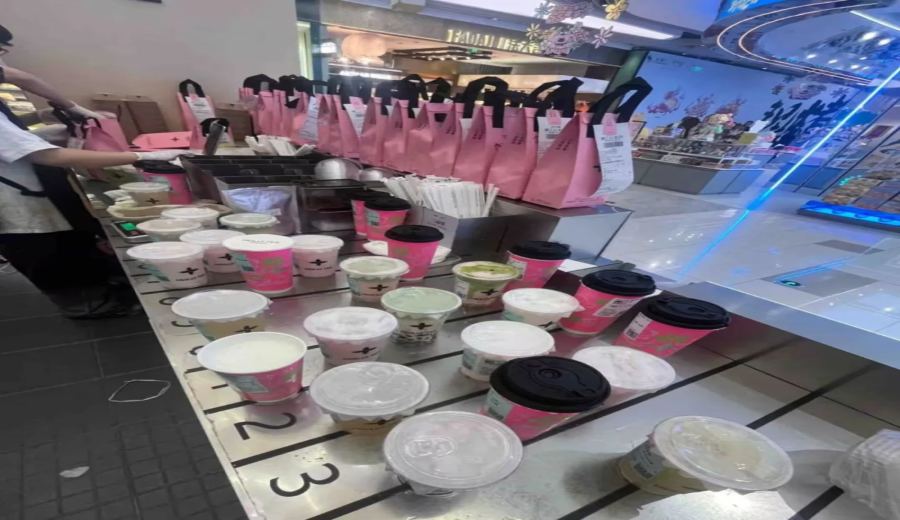
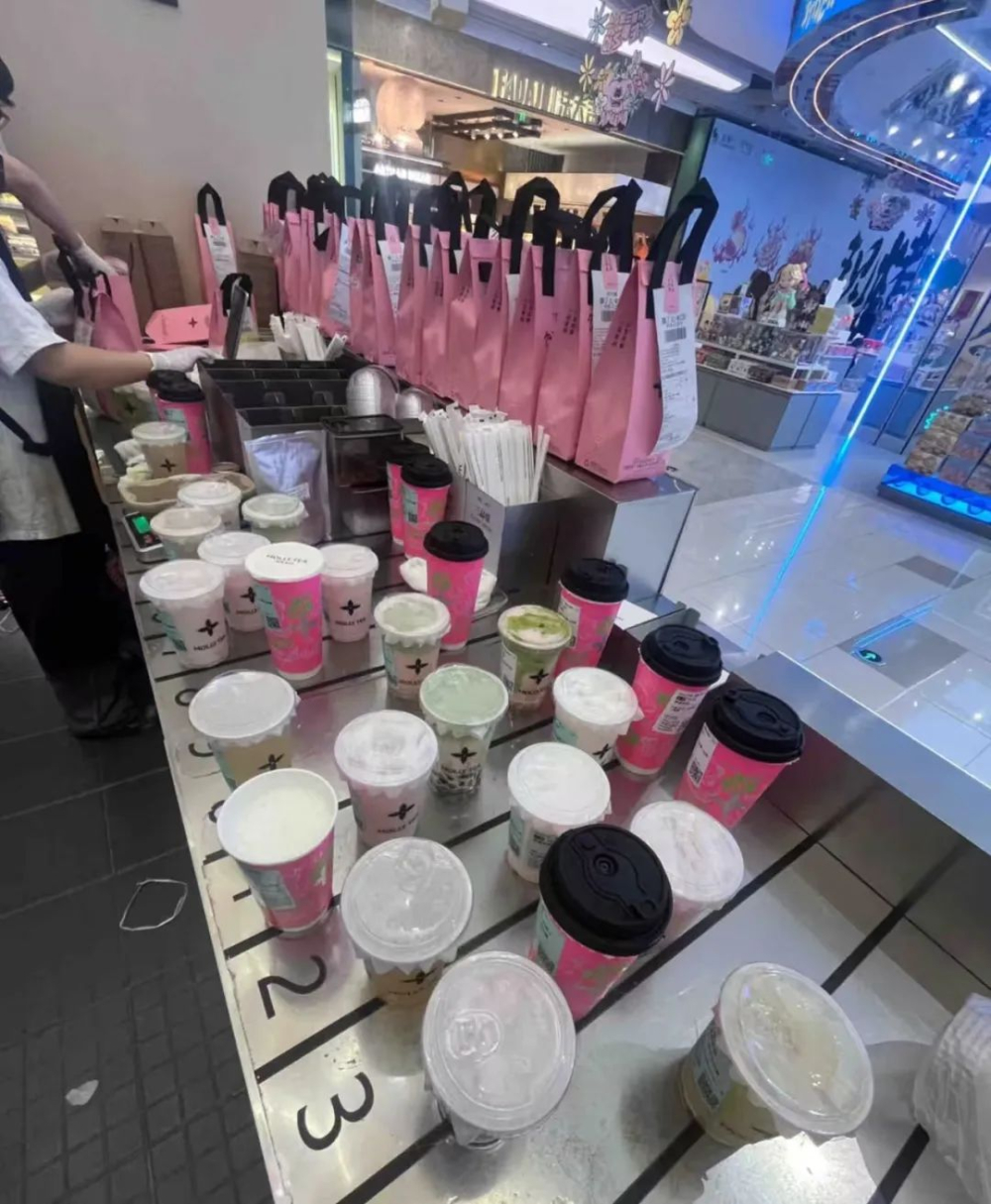
According to actual situations, the order volume at some stores has skyrocketed from just dozens on regular days to five or six hundred per day, with workload increasing exponentially. Employees revealed that while normal operational volumes of delivery orders are manageable, the sudden spike in orders driven by platform subsidies has overwhelmed them—not only is staffing insufficient, but material supply is also frequently running short. Receipt printers churn out densely packed labels, the pickup area is piled high with packaged drinks, and stacks of cups fill the shelves, creating a scene of chaos.
One employee admitted: “Just hearing the ‘Ele.me delivery’ notification makes me nervous—I’m genuinely scared.” Due to the flood of concentrated orders, many stores have been forced to deal withproduction delaysandcustomer dissatisfaction,with some even receiving negative reviews for being unable to serve orders promptly. Meanwhile, riders, frustrated by long wait times, have begun to constantly urge staff, heightening the tension on-site. Some employees jokingly refer to themselves as “victims of the Ele.me battle.”
Based on numerous posts shared on community platforms like Xiaohongshu, many employees have expressed feelings of physical and mental exhaustion: “I’m so tired I’m going crazy—who even loves Jasmine Milk Tea, please stop drinking it,” “Today I worked myself to death making orders,” “The tea extractor is smoking hot,” “Hearing Ele.me notifications scares me,” “The delivery guys are yelling and cursing, we just can’t keep up.” These comments not only reflect the heavy pressure faced by frontline workers, but also highlight the severe mismatch between surging order volumes and inadequate store resources and staffing.
One customer on-site also observed that although the subsidies allowed them to enjoy cheap bubble tea, they also felt sympathy for the employees working under continuous high-intensity conditions. “It’s all the riders, everyone rushing orders, everyone yelling and cursing—it feels like the Jasmine Milk Tea staff have a tough life,” the customer remarked with emotion. Especially during holidays when major delivery promotions are launched, it is even easier to burden stores and staff, potentially affecting the store's image and how it is perceived by passersby.
Notably, most stores were not prepared in advance for such order surges—they had limited manpower and were unable to promptly adjust their material reserves or equipment operations. For example, when order volumes suddenly spike, extraction equipment like tea extractors may overheat or malfunction due to prolonged high-load operation, further slowing down overall service speed. Moreover, with riders constantly pressing for orders, stressed employees are more prone to mistakes, affecting beverage quality and creating a vicious cycle.
In summary, while this wave of delivery subsidy battles brings short-term benefits to consumers, it also exposes the fragility of beverage businesses when faced with sudden spikes in orders. For brands like Jasmine Milk Tea, finding a balance between maintaining service quality, caring for employee welfare, and responding to platform competition strategies will be a key challenge for future operations. At the same time, while enjoying discounted prices, consumers should also show more understanding and tolerance, offering greater support and patience to stores and frontline staff.
The above content is compiled by CoffeeHunters, a coffee news website.


