







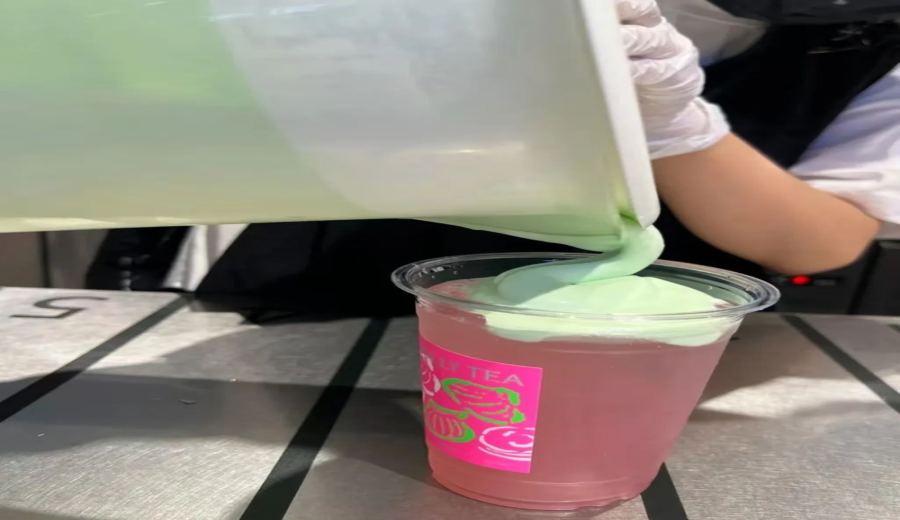
Introduction:The newly launched grapefruit apple coconut beverage by Jasmine Milk White has raised consumer concerns about food safety after the addition of a milk cap caused noticeable discoloration and flocculent matter. This article delves into the chemical reaction mechanisms behind this phenomenon, analyzes how proteins interact with vitamin C, and provides a professional interpretation of the discoloration causes in the beverage to help readers better understand the truth scientifically.
Jasmine Milk White’s recently launched “Grapefruit Coconut Series” beverages—including Grapefruit Apple Coconut, Grapefruit Jasmine Coconut, and Grapefruit Brandy Coconut—have quickly gained market attention thanks to their refreshing grapefruit aroma and the combination of fruit and coconut water. Among them, Grapefruit Apple Coconut has become one of the most popular products in the series due to its blend of sweet apple flavor, refreshing coconut water, and a specially crafted grapefruit mint milk cap.
However, many customers noticed that after receiving the beverage and adding the milk cap, the originally pink apple coconut water quickly faded in color, became cloudy upon mixing with the milk cap, and even developed white flocculent substances, making the entire drink look like soy milk. This severely affected both its visual appeal and consumers’ willingness to drink it.
According to customer feedback, this change typically occurs shortly after pouring and lightly stirring in the milk cap. The originally clear liquid gradually becomes murky, the pink hue fades, and is replaced by an unnatural grayish-white color along with a large amount of suspended matter, leading some to suspect spoilage or improper preparation of the ingredients.
In response to this phenomenon, staff at Jasmine Milk White stores explained that this is actually a normal chemical reaction. It mainly occurs when the proteins in the milk cap interact with the vitamin C in the apple juice and grapefruit juice. When these components come into contact, the proteins denature due to the influence of vitamin C, resulting in flocculent precipitation and causing the beverage’s appearance to change.
Such reactions between proteins and vitamin C are common in food science. Particularly in beverages containing high levels of acidic substances (such as vitamin C) and dairy proteins, changes in pH or oxidation can easily lead to alterations in protein molecular structure, ultimately forming visible flocculent matter.
Moreover, the staff also revealed that this kind of reaction can also occur within the milk cap itself. It is understood that the new grapefruit-flavored milk cap contains not only the usual cheese, light cream, and milk, but also added grapefruit juice and mint ingredients. While these additions contribute a fresh flavor, the vitamin C in the grapefruit juice can interact with the proteins in the milk cap, causing the milk cap to develop a fermented-like off-odor after production, or even undergo texture changes after standing.
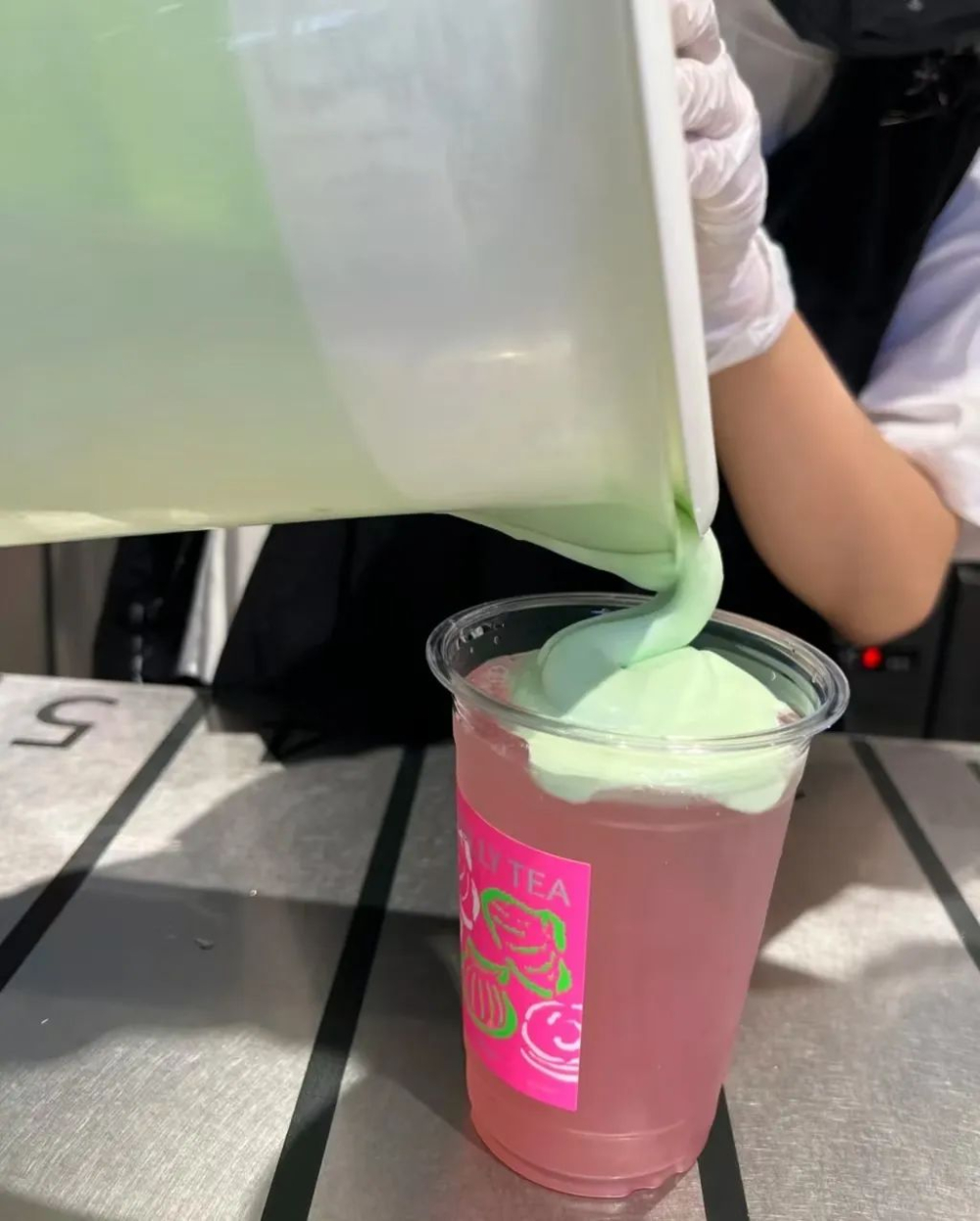
A store employee mentioned that they have seen many customer comments on social platforms complaining that the milk cap tasted “weird,” with some even questioning whether it had gone bad. However, in reality, this is due to the interaction between the natural ingredients in the formulation. Although store staff continuously explain that this is a normal occurrence, it is still hard to avoid receiving negative reviews and complaints, which have had a certain impact on the brand image.
From a professional perspective, while such appearance changes caused by the reaction between proteins and vitamin C do not affect the safety of the beverage, they significantly reduce consumers’ drinking experience and visual acceptance. For consumers who value aesthetic consistency and flavor uniformity in their drinks, such changes are often hard to accept.
Therefore, for beverage developers, if they wish to incorporate vitamin C-rich fruit ingredients along with dairy-based milk caps in their products, they must pay special attention to the proportioning and reaction time between the two. If necessary, adjusting the pH, using stabilizers, or altering the order of addition may help reduce or prevent such phenomena.
In summary, the discoloration and flocculation observed when adding a milk cap to Jasmine Milk White’s Grapefruit Apple Coconut beverage are primarily due to a chemical reaction between proteins and vitamin C, not ingredient spoilage or preparation errors. Understanding the science behind this helps consumers view beverage changes more rationally and reminds producers to balance flavor, appearance, and stability when innovating products.
The above content is compiled by CoffeeHunters, a coffee news website.


