








Introduction:The fascinating golden foam atop an espresso shot is often mistaken for pure oil, but it actually hides complex scientific principles. This article delves into the true composition of crema, reveals how pressure extraction affects foam texture, and teaches you to distinguish between natural and artificial foam. From 9-bar pressure to coffee bean freshness, mastering these key parameters will give you a deeper understanding of what makes a great espresso.
The fine, golden foam on the surface of espresso is commonly referred to as the "crema" and hailed as the soul of the espresso. But this much-praised "crema" is not the edible oil we typically think of. Recent online discussions about the "authenticity of coffee crema" have sparked curiosity among many coffee enthusiasts. What is the real truth behind this foam? And how is it formed?
The so-called "coffee crema" is more accurately called crema, a term derived from Italian that originally means "cream." This foam is mistakenly translated as "oil" purely because of its creamy-like, dense texture. However, scientific analysis shows that the main components of crema include carbon dioxide, the natural lipids in coffee beans, proteins, and other compounds, which form an emulsified foam structure through specific high-pressure extraction methods. Notably, the actual oil content is extremely low, usually making up no more than 1% of the whole.

The key to forming this unique crema lies in the pressurized extraction process. When hot water passes rapidly through finely ground coffee at 9 bars of pressure, the carbon dioxide inside the coffee beans is quickly released and dissolves in the water, forming tiny bubbles. These bubbles are then enveloped by the lipids and proteins in the coffee, creating a stable layer of foam. When these bubbles finally settle in the cup, they present as the familiar enticing golden foam atop an espresso shot.
But what about the so-called "fake crema" commonly found in the market? From a technical standpoint, real crema requires two essential conditions: high-pressure extraction and fresh coffee beans with sufficient carbon dioxide. If either of these is missing—such as not using high-pressure extraction equipment or when the coffee beans lack sufficient gas content—it’s very difficult to form that creamy, fine-textured foam.
Interestingly, some coffee products can still produce what appears to be a rich layer of foam even without meeting the above conditions, sometimes even surpassing the thickness of crema extracted from a traditional espresso machine. This type of foam is usually generated through artificial intervention, such as by using pressurized air or adding special materials to create a similar effect. The texture and taste of such foam are often far from the crema produced by an authentic espresso machine—not as fine or smooth—and its primary role is mostly visual.
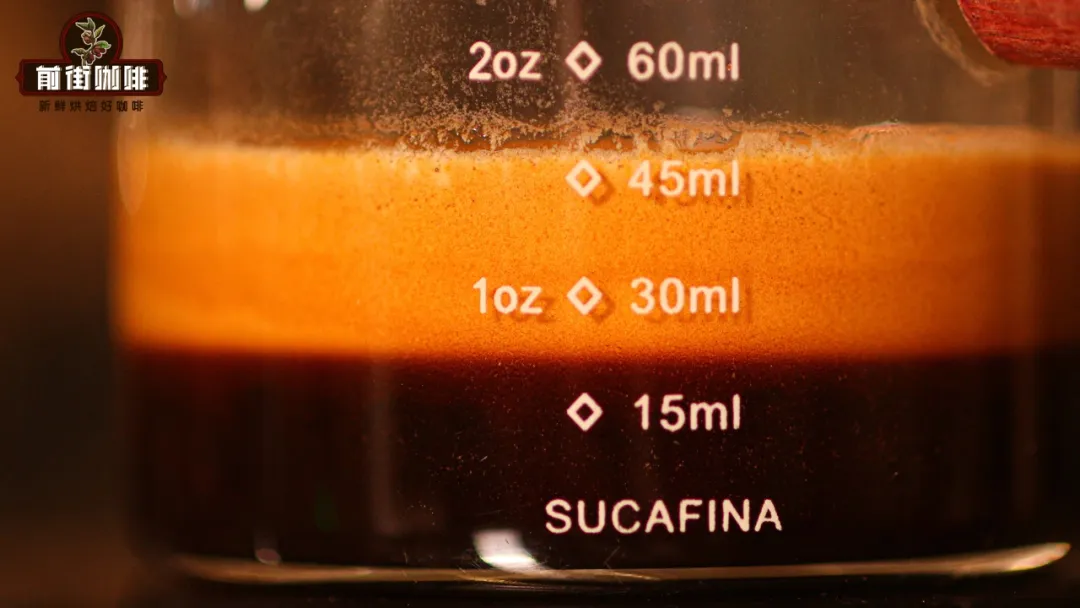
Therefore, this artificially created layer of foam is referred to as "fake crema." This phenomenon also leads to confusion among many beginner coffee enthusiasts, who may mistake the coarser and more abundant foam produced by certain espresso machines for "fake crema." Since this foam often feels unpleasant and lacks the legendary creamy texture, many novice users post questions online: "Is the coffee foam I pulled real or fake?"
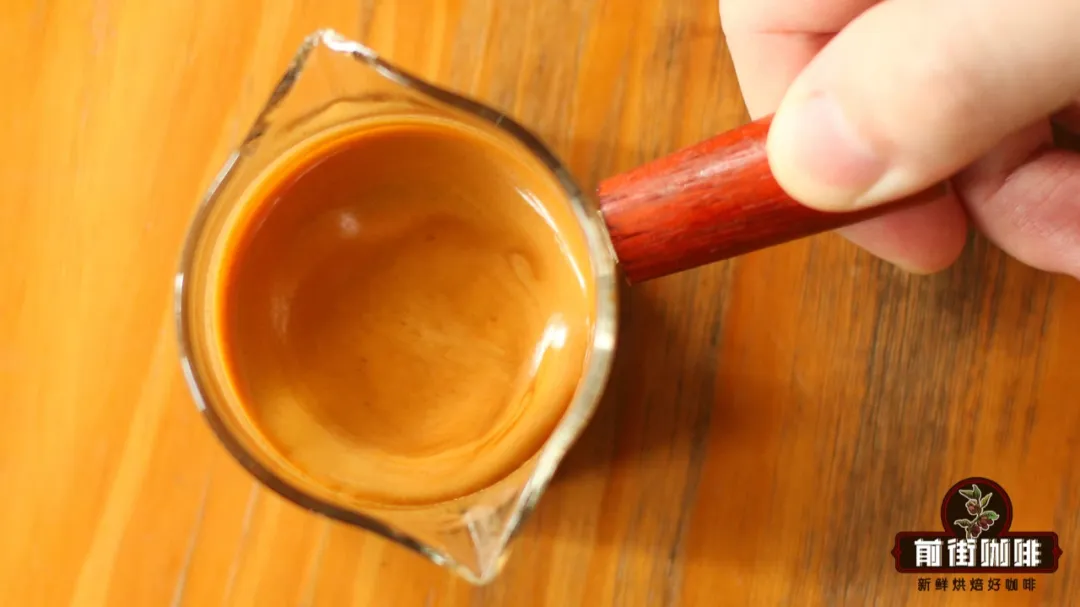
To distinguish real crema from artificial foam, observing its texture and longevity is key. Real crema should have a fine, dense texture and can bring a rich layer of flavors when sipped. Artificially made foam, on the other hand, is usually coarser and may dissipate quickly. Additionally, using freshly roasted coffee beans and an appropriate grind size are also important factors affecting crema quality.
In summary, the crema on the surface of an espresso is a complex foam structure resulting from the interaction of multiple components, rather than just oil. Understanding its formation mechanism and key parameters not only helps us better appreciate the flavor of espresso but also allows for more precise adjustments during brewing to achieve the ideal extraction result.
The above content is compiled by CoffeeHunters, a coffee news website.


