







Introduction:Recently, the well-known tea beverage brand Nayuki was exposed for serving freshly pressed fruit and vegetable drinks containing uncleaned vegetable leaves, drawing consumer attention to the cleanliness of raw materials used in tea beverages. A social media post from a customer who found a kale leaf with dirt residue highlighted possible lapses in the stores' cleaning procedures. Moreover, an online user claiming to be a Nayuki employee bluntly stated that staff shortages led to careless handling of ingredients. This article delves into the ins and outs of the incident and analyzes how the tea beverage industry, while striving for a healthy image, faces challenges in ingredient cleaning and food safety.
In recent years, freshly pressed fruit and vegetable teas have become a favorite in the tea beverage market. Many brands, such as Heytea, Cha Bai Dao, and Nayuki, have launched innovative drinks containing high-fiber, high-nutrition-value vegetables and fruits like kale, carrots, and beetroot, successfully attracting health-conscious consumer groups. However, a recent online post has cast doubt on these so-called "genuine ingredient" drinks.
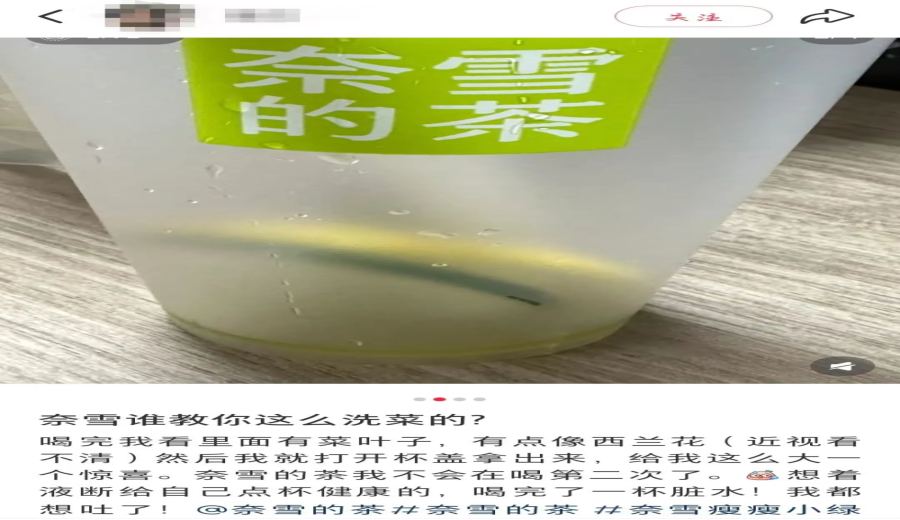
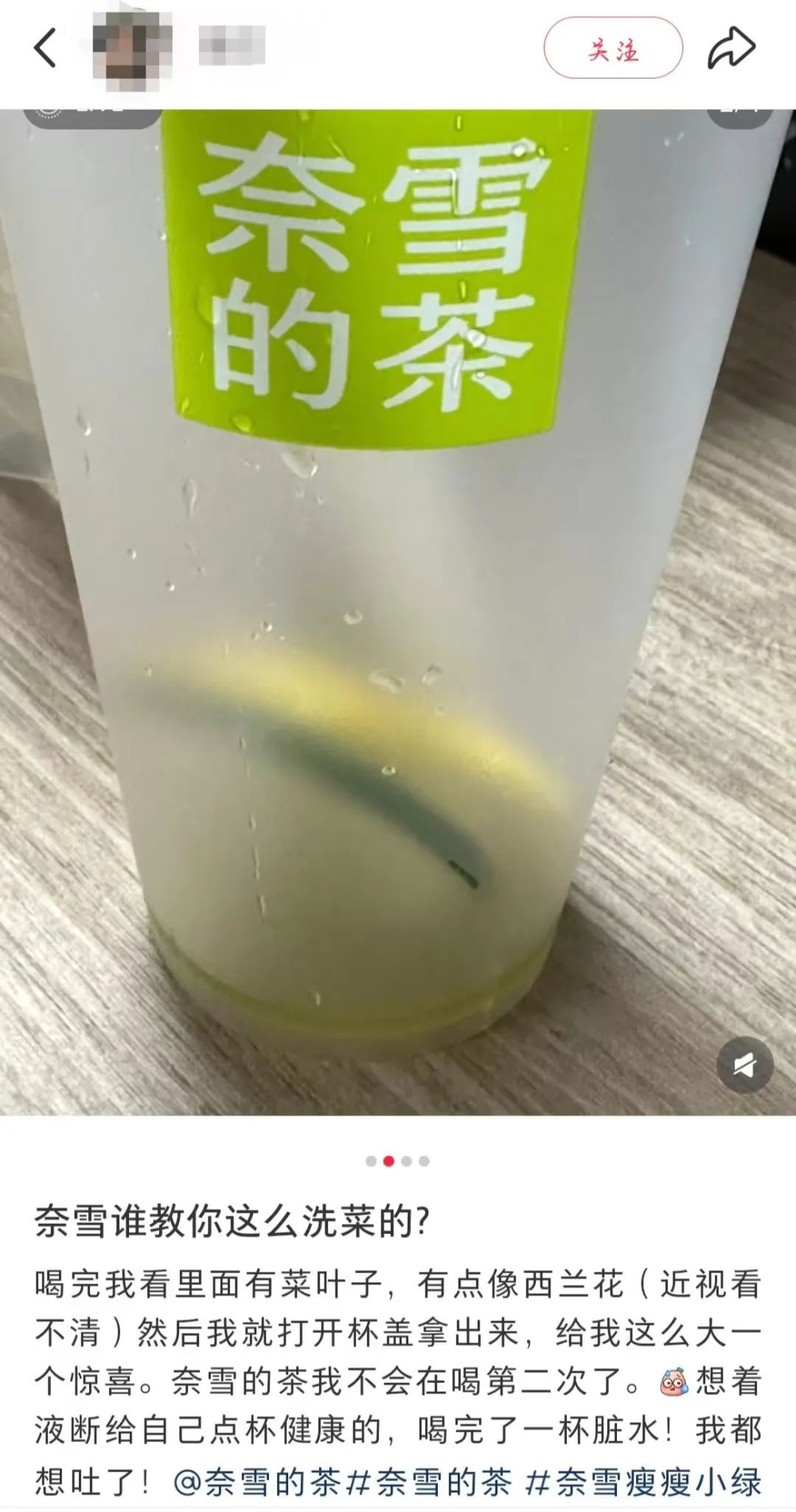
According to one customer, he purchased a fruit and vegetable drink called “Slim Little Green Bottle” from Nayuki, expecting a healthy beverage, only to find an incompletely cleaned kale leaf at the bottom of the cup after finishing it. Upon closer inspection, he noticed obvious stains on the leaf’s surface, and even found sand marks on a paper towel when wiping the stem. Although the leaf was mainly used for decoration, it significantly detracted from the overall hygiene perception of the drink.
After the customer shared photos on social media, it quickly sparked widespread discussion. Many regular consumers of fruit and vegetable teas expressed concern, with some recalling instances where they had unknowingly consumed similarly uncleaned leaves, bluntly stating, “It felt like drinking a glass of muddy water.” The incident not only affected consumer confidence but also raised questions about whether tea beverage brands maintain sufficiently rigorous quality control in their ingredient pre-processing.
In fact, when fruit and vegetable teas first became popular, the back-end operations of many tea beverage brands were revealed by employees, showing the careful washing process of large amounts of fresh produce, which helped build a certain level of trust. However, in this incident, even a kale leaf used solely for decoration was found with sand residue, leading to concerns—do the fruits and vegetables that are put into blenders and turned into juice face similar hygiene issues?
What sparked even more discussion was a comment from an online user claiming to be a current Nayuki employee, pointing out that due to the brand's strict control over labor costs, many stores face understaffing issues, making it difficult for employees to handle large quantities of ingredients. The user further explained that some preparation tasks are under time pressure, and to meet deadlines, staff often handle fruits and vegetables carelessly, with “just rinsing them off” being a common practice.
Another former Nayuki employee recalled: “All fruits basically only get rinsed once, and are hardly ever scrubbed properly. Everyone’s in a rush, who has time to deal with them carefully?” Such insider revelations have led to skepticism about the brand’s promise to use fresh, healthy ingredients.
Industry insiders point out that the tea beverage industry should establish stricter cleaning and processing standards when using fresh produce as raw materials. Especially for root vegetables or leafy greens like kale and carrots, which tend to carry dirt, pesticides, or insect eggs, it is recommended to follow at least three basic steps: “rinse under running water → clean with a soft-bristle brush → rinse again,” ensuring no residues remain on the surface. In addition, even garnishes used solely for decoration should not be overlooked, to avoid compromising the consumer experience and brand reputation due to minor oversights.
The incident of sand residue on kale leaves in Nayuki’s fruit and vegetable tea is not just an isolated hygiene controversy, but also highlights blind spots in the quality control management of ingredient pre-processing across the rapidly expanding tea beverage industry. For consumers, when choosing tea beverages, in addition to paying attention to taste and trends, it is even more important to value food safety and transparency in the production process.
The above content is compiled by CoffeeHunters, a coffee news website.


