







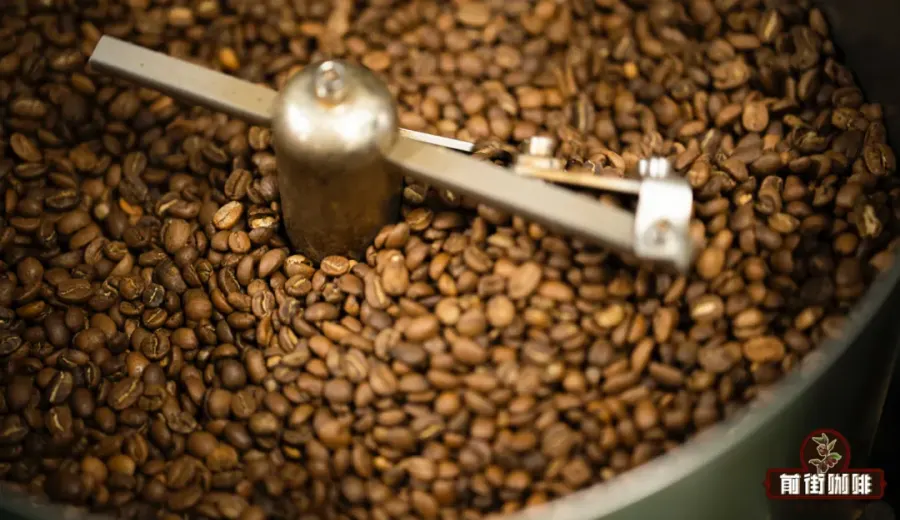
Introduction:The freshness of coffee beans is a key factor affecting flavor release, yet many coffee enthusiasts still don’t know how to accurately judge it. This article delves into the aromatic characteristics of coffee beans as they change over time, from observations before grinding to reactions during brewing, and provides 5 practical judgment tips, accompanied by illustrated explanations, to help you make smarter decisions when selecting and storing coffee beans.
The soul of a good cup of coffee largely depends on the freshness of the coffee beans. After roasting, the aromatic compounds inside the beans gradually begin to dissipate over time, especially those volatile substances that give coffee its floral, fruity, and caramel notes—often declining noticeably within just a few weeks.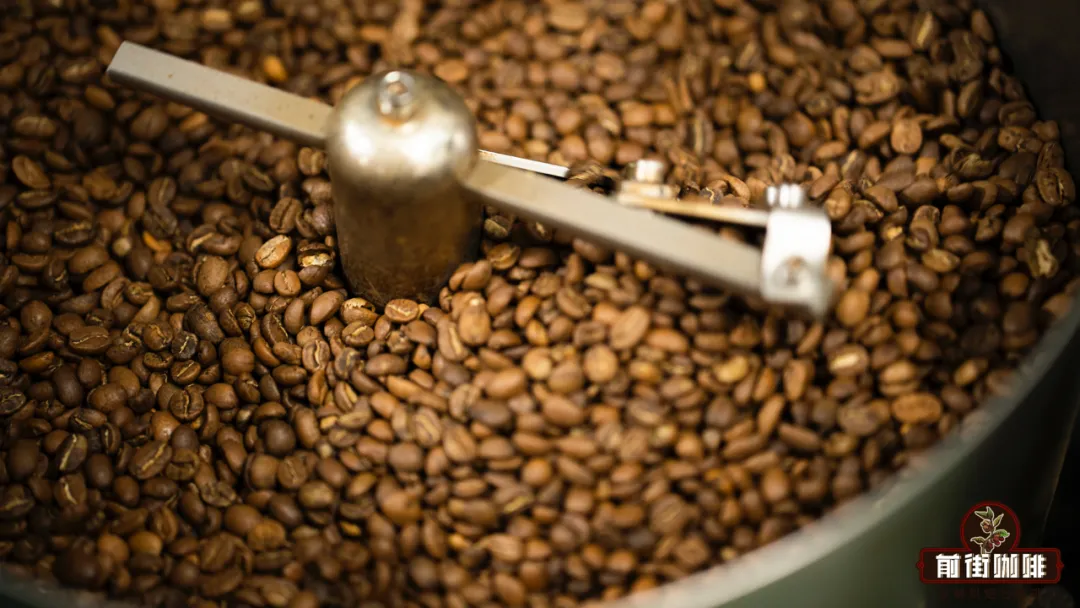
The most obvious characteristic of fresh coffee beans is the rich aroma that hits you upon opening the package. This aroma is typically a blend of nutty, chocolatey, and subtle fruity notes. In contrast, coffee beans stored for more than a month will have a duller aroma, and may even develop greasy or cardboard-like stale odors.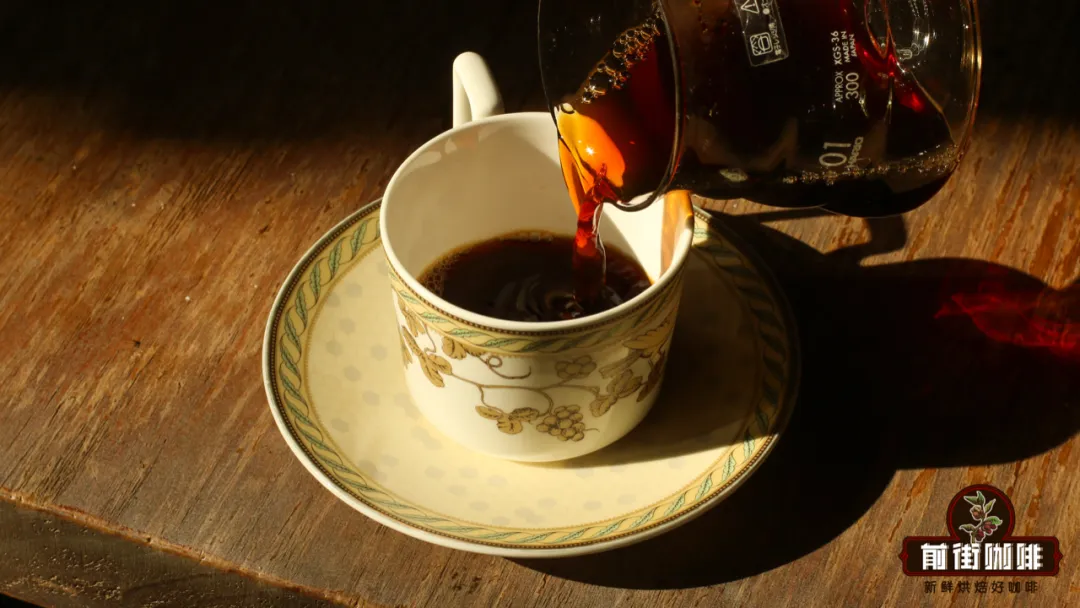
The first method for judging coffee bean freshness is to observe the packaging’s valve design. High-quality coffee bean packaging usually comes with a one-way degassing valve, which allows the beans to release carbon dioxide while preventing oxygen from entering and accelerating oxidation. If you notice the packaging is puffed up or there are oily stains seeping around the valve, it indicates the beans may have over-fermented.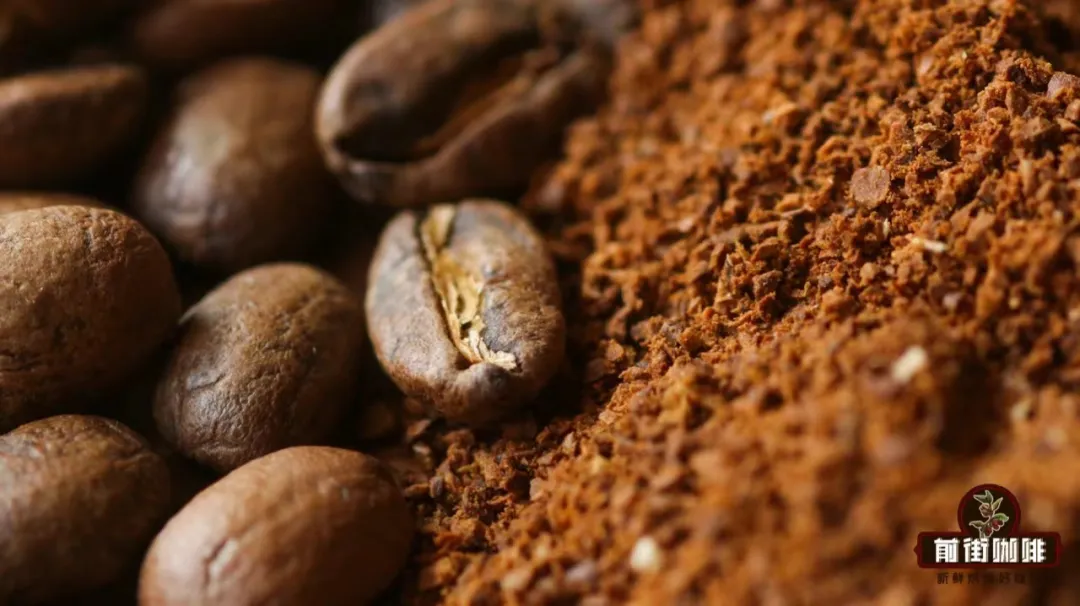
The second key indicator is the aroma reaction during grinding. Place a small amount of coffee beans into the grinder. Fresh beans will release an intense burst of aroma the moment they are ground, and this aroma should linger for several seconds without dissipating. If the scent is weak or musty, it means the beans’ activity has significantly decreased.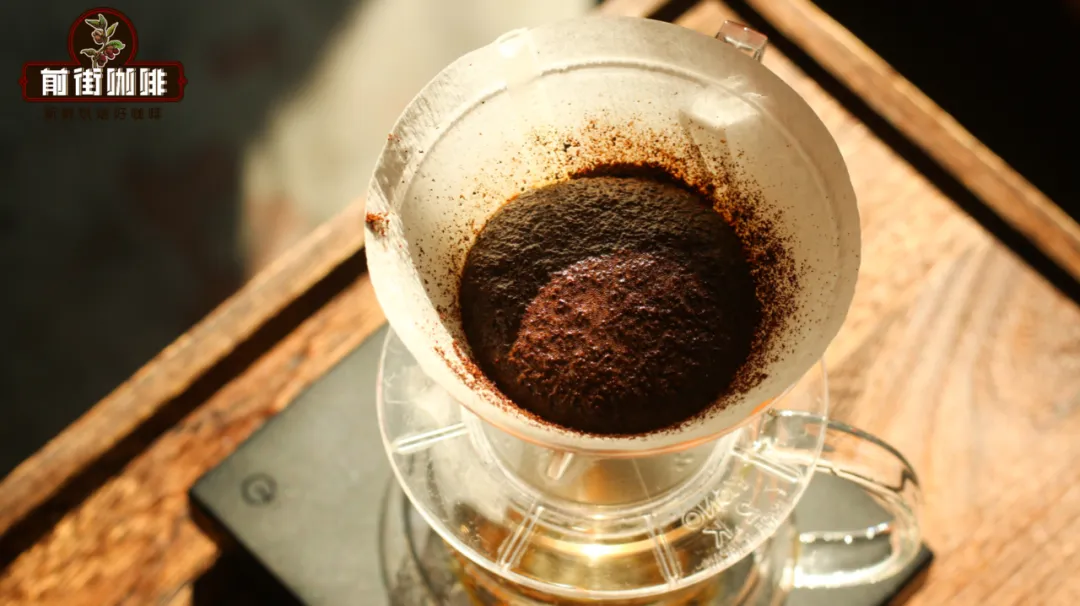
The third practical tip is to check the surface oiliness of the coffee beans. While dark roast beans naturally develop oiliness 2–3 weeks after roasting, if light to medium roast beans show obvious oil stains within a week of roasting, it is usually a sign of excessively high storage temperatures or improper packaging. It is recommended to store unopened coffee beans in a cool, dry place, away from direct sunlight.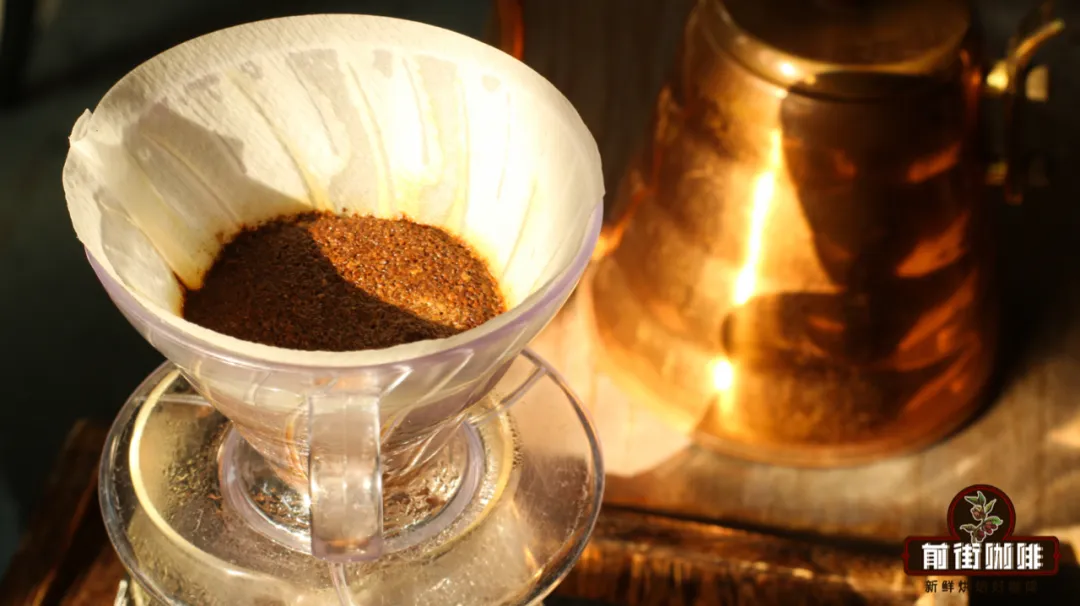
The fourth judgment point is the expansion performance during brewing. Place an appropriate amount of coffee grounds into the filter, pour in hot water, and observe the degree of expansion during the “bloom” stage. Fresh coffee grounds will visibly puff up due to the release of carbon dioxide, typically reaching 1.5 times or more of their original volume. If there is little to no expansion or the grounds immediately collapse, it indicates that the beans have lost a significant amount of fermentation gases.
Finally, the flavor profile during actual tasting is the most direct verification. Fresh coffee should exhibit clear acidity layers and a balanced sweetness, with a clean finish free of off-flavors. If you taste a flat or dull flavor, or noticeable woody/cardboard notes, these are usually warning signs that the coffee beans are past their prime. It is recommended to purchase only amounts that can be consumed within 1–2 weeks, and to prioritize products with clearly indicated roast dates.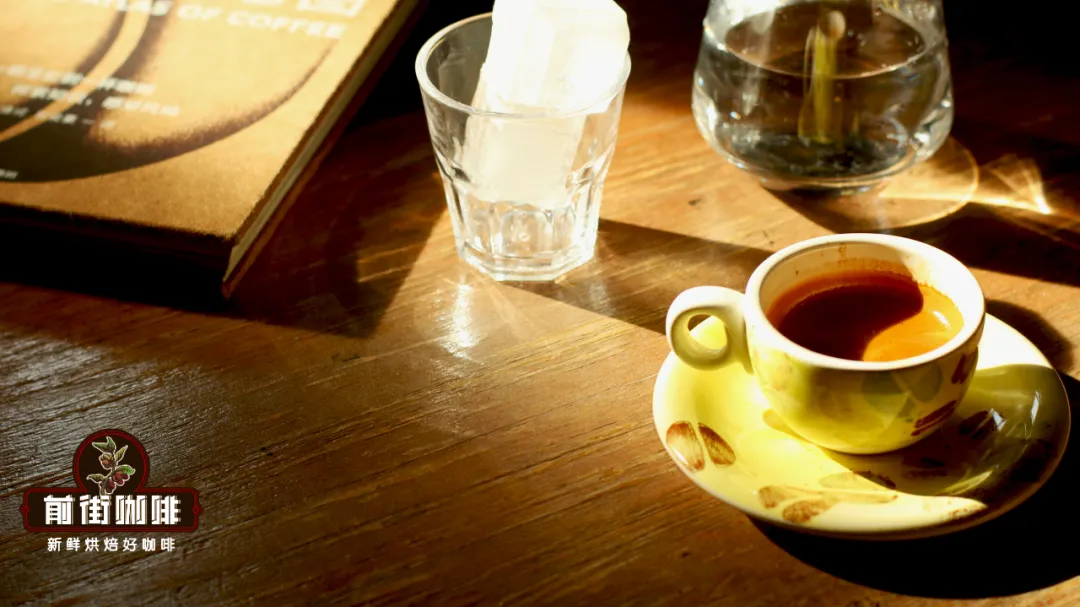
The above content is compiled by CoffeeHunters, a coffee news website.


