







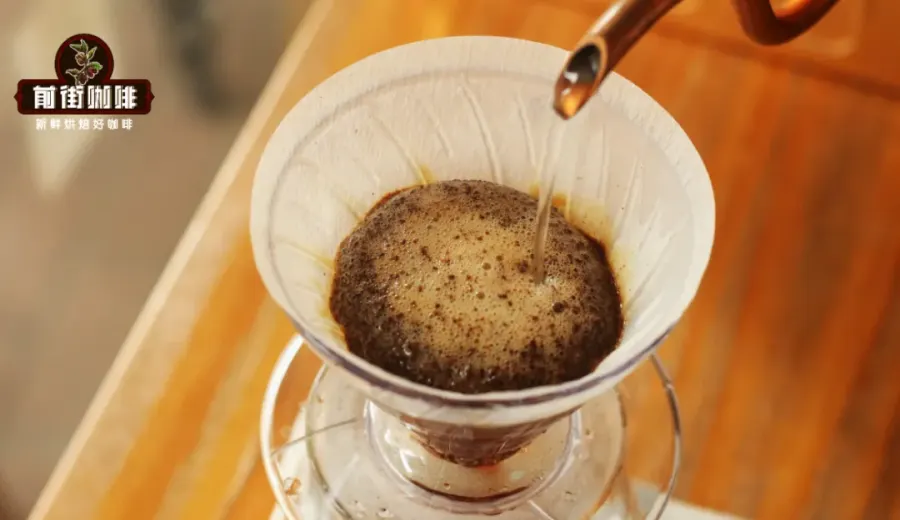
Introduction:The stirring method is a relatively aggressive extraction technique in pour over brewing. By physically agitating the coffee grounds, it can significantly enhance the release efficiency of flavor compounds. This article will delve into the practical applications of the stirring method during the blooming phase, as a parameter adjustment remedy, and for active control, analyzing the key impacts of grind size, number of stirs, and stirring intensity, while also providing actionable tips to help coffee enthusiasts master this advanced technique precisely and optimize their brewing results.
In the world of pour over coffee, the stirring method is a more direct extraction strategy than simply disturbing the water stream. This approach uses tools to directly act on the coffee bed, accelerating the dissolution of soluble flavor components. Although some coffee brands have mentioned this technique, they have not detailed the specific operational steps. This article will systematically analyze the application logic of the stirring method in three main scenarios — including its use during the blooming phase, adjustments for insufficient extraction efficiency, and practical implementations for actively controlling brewing parameters. It will also explore core variables such as grind coarseness, stirring frequency, and intensity, helping coffee lovers apply this technique more accurately.
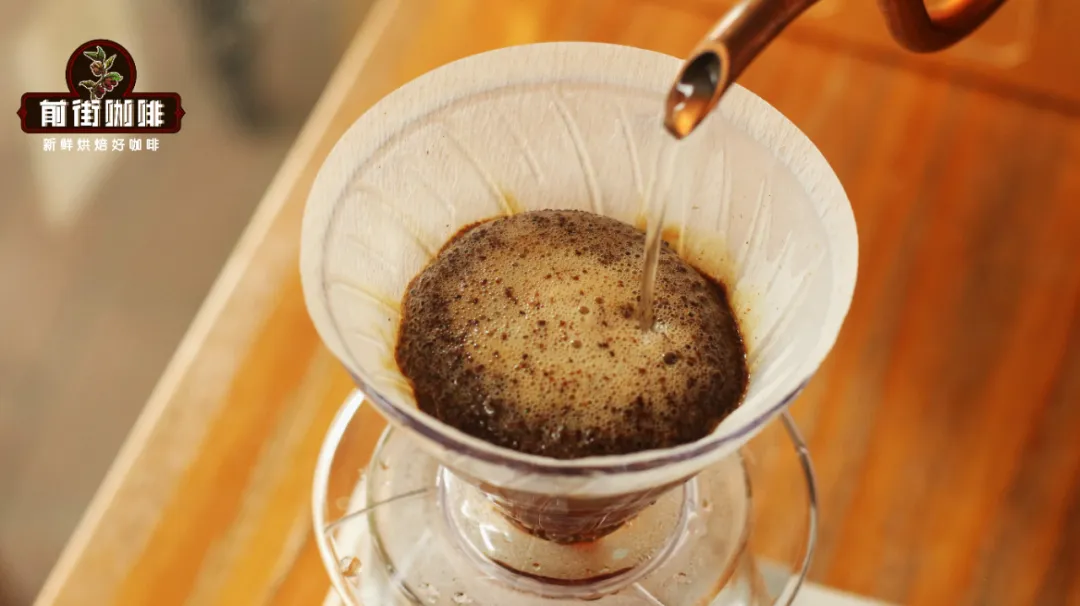
As early as last year, a coffee brand shared a more direct extraction method than conventional pouring agitation — using tools to flip the coffee bed, known as the "stirring method." Similar in principle to water stream disturbance, tool-based stirring also aims to accelerate the dissolution of flavor substances. The essence of coffee extraction is actually the transfer of soluble substances from inside the coffee particles to the water, and stirring promotes water circulation, allowing the coffee grounds to come into more even contact with the water, thereby improving overall extraction efficiency. Compared to stirring driven solely by the water stream, direct intervention using tools often yields more significant extraction improvements.
Since previous introductions by some brands did not elaborate on the practical details of this method, this article will supplement operational ideas for different usage scenarios, including its application during the blooming phase, remedial measures when brewing parameters are off, and its use when actively adjusting brewing strategies. It aims to help readers fully understand and flexibly apply this technique.
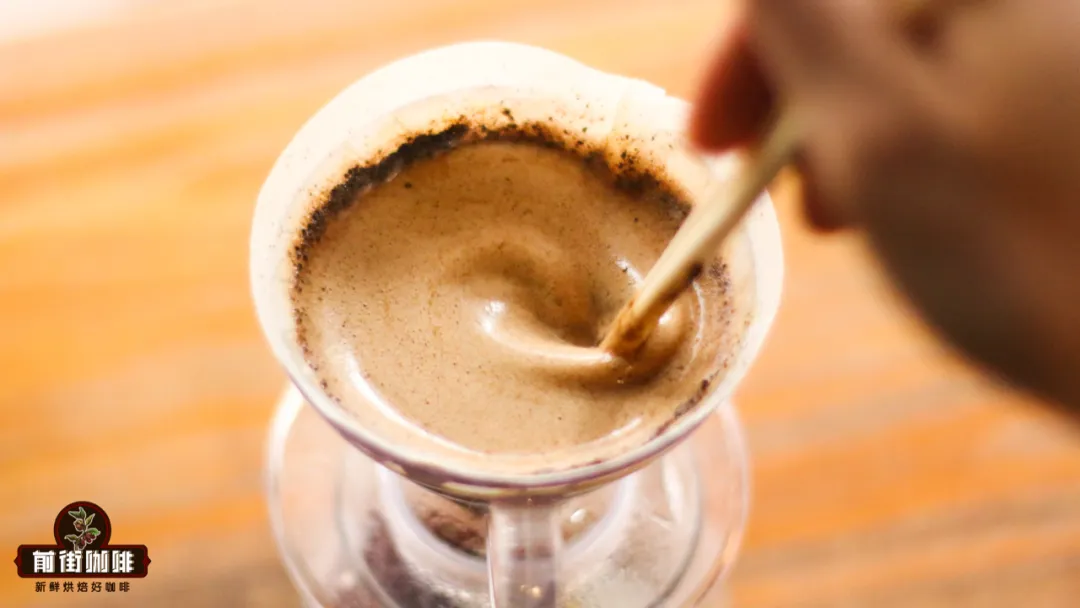
I. Using the Stirring Method During the Blooming Phase
The most common and effective time to apply the stirring method is during the blooming stage of pour over brewing. Many experienced baristas prefer to intervene at this stage because it can effectively improve the overall uniformity of extraction.
Recalling the purpose of blooming: this step is primarily to allow the carbon dioxide that hinders extraction in the coffee grounds to be released, creating ideal conditions for the subsequent injection of hot water. The traditional approach is to wet the dry coffee grounds with a small amount of hot water. However, due to the tendency of water flow to choose paths of least resistance, a small amount of hot water often fails to evenly saturate all coffee particles. This means that those coffee particles not touched by water may not release their internal aromatic compounds in time during subsequent extraction, leading to uneven flavors.
By stirring during blooming, the original structure of the coffee bed can be disrupted, promoting more comprehensive contact between water and coffee grounds, reducing the negative impact of channeling. The actual operation is not complicated: after completing the blooming pour, gently flip the coffee bed using any tool (such as a stirring stick or chopsticks), moving back and forth, side to side, or in circles — usually about 5 stirs can achieve good results.
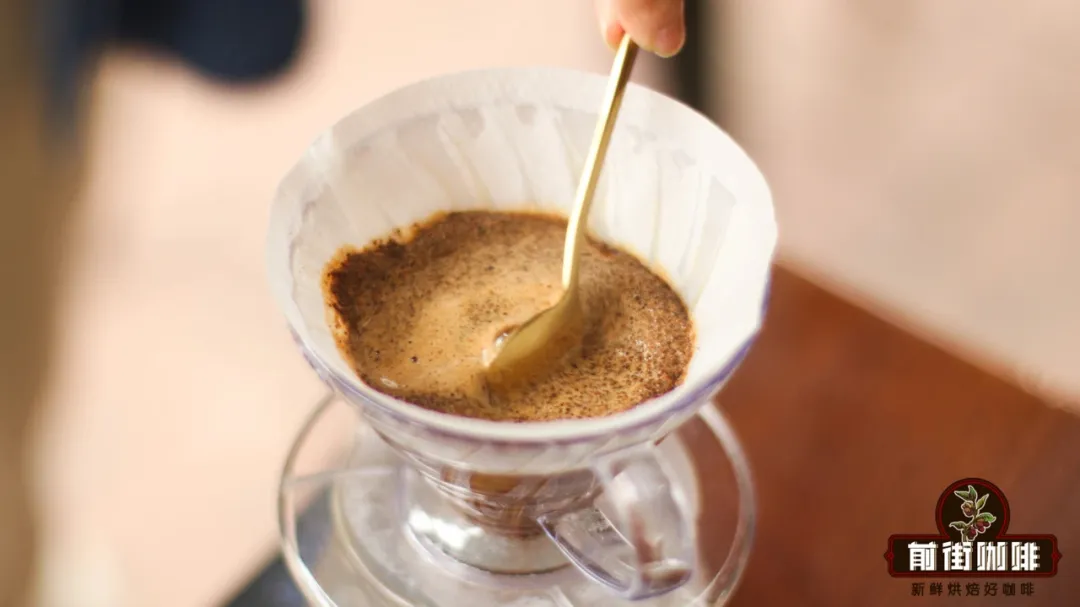
II. Using the Stirring Method When Extraction Efficiency Is Insufficient
Another common scenario is when brewing parameters deviate from expectations — for example, if the water temperature is slightly lower than the target or the grind size is a bit coarse. In such cases, the stirring method can serve as an effective compensatory measure.
When key parameters deviate significantly, conventional brewing methods often struggle to fully extract the flavor compounds from the coffee. In such instances, leveraging additional physical agitation to enhance dissolution efficiency can still yield coffee with relatively complete flavor profiles, even if the parameter settings are not fully optimal.
For example, suppose the standard parameters for brewing light-roast beans are: 15 grams of coffee, a 1:15 coffee-to-water ratio, using an EK43 grinder set to grind size 10, with water temperature controlled at 92°C. But if, due to an operational error, the grinder setting changes to 12, or the water temperature drops to 88°C, then by incorporating stirring during the brewing process, the overall extraction level can be effectively improved, ensuring that the final cup delivers a satisfying flavor performance.
It’s important to note that the number of stirs should be adjusted based on the extent of the parameter deviation. The greater the deviation, the higher the required stirring frequency. Additionally, it is recommended to concentrate stirring operations in the earlier stages of brewing. This not only prioritizes the release of acidic and sweet flavor notes but also helps avoid excessive extraction of bitter compounds in the later stages. As for tool selection, while chopsticks are indeed convenient, disposable chopsticks should be avoided to prevent introducing unwanted off-flavors.
III. Actively Using the Stirring Method During Brewing
In addition to passively employing the stirring method due to parameter deviations, many coffee enthusiasts also proactively incorporate this step into their brewing routine. For instance, by deliberately using a coarser grind to reduce the base extraction efficiency, they leave room for subsequent stirring adjustments, achieving more relaxed control over the brewing outcome.
Another advanced approach is to set an extreme combination of parameters and then compensate through the stirring method. For example, an ice brew method shared by a coffee brand combines a finer grind, higher water temperature, along with the stirring method, enabling sufficient extraction in a short time with less water.
Precautions When Using the Stirring Method
Although the stirring method can significantly enhance extraction efficiency, improper parameter adjustments can easily lead to over-extraction and pronounced bitterness. Therefore, before using the stirring method, it’s essential to plan and fine-tune the overall extraction parameters accordingly. Clearly identify which parameters need to be increased and which need to be decreased to ensure a balanced coffee flavor and avoid negatively impacting taste due to over-extraction.
Take ice brew combined with the stirring method as an example. Although the grind is finer and the water temperature is higher, the total water volume is reduced and the extraction time is shortened, so the final coffee can still maintain a good flavor profile without being over-extracted.
Additionally, the stirring intensity and number of stirs should also be adjusted according to the coarseness of the coffee grounds. A finer grind produces more fines, which can easily settle at the bottom and clog the filter paper after stirring. Therefore, when using finer coffee grounds, try to avoid excessive agitation of the bottom layer of grounds, and control the stirring range to reduce the risk of clogging and prevent over-extraction caused by poor water flow.
The above content is compiled by CoffeeHunters, a coffee news website.


