







Introduction:A global decline in major coffee-producing regions has driven international coffee bean futures prices to surge to 430 cents per pound in February 2025, hitting a 47-year high. Coffee businesses in South Korea are facing a staggering 70% increase in import costs. To cope with this price surge, a Seoul café has pioneered the development of "bean-less coffee" using 12 alternative ingredients such as barley and hibiscus, reducing costs by 20% to 25%. However, its flavor profile has sparked polarized reactions. This article examines the production process, market status, and real consumer feedback on bean-less coffee.
International coffee bean prices have recently seen a rare surge. On February 11, 2025, the ICE arabica futures price in New York broke through 430 cents per pound, not only setting a new 47-year historical record but also surging 118.57% compared to a year ago. The main driver of this price spike is reduced production in key global regions such as Brazil and Vietnam due to abnormal weather conditions, further exacerbating supply pressures in the market.
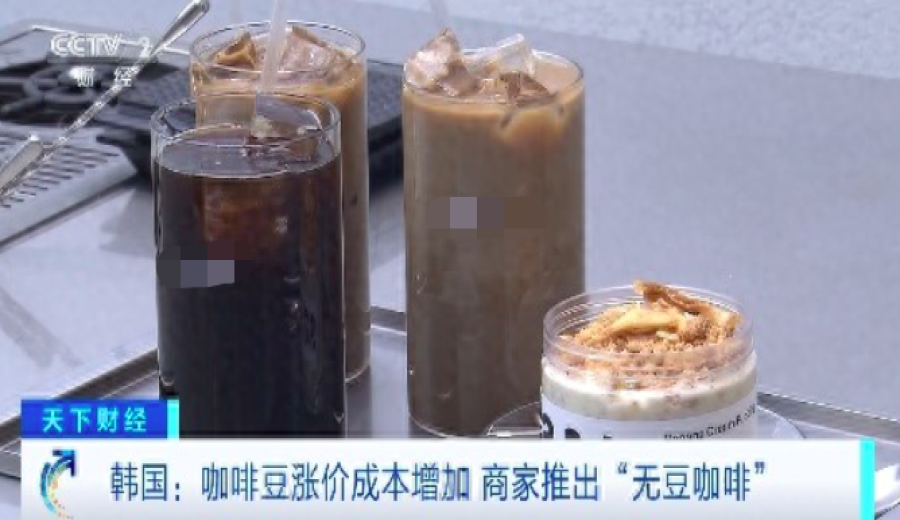
According to data from South Korea’s Customs Service, the average import price per kilogram of coffee beans in January 2025 rose nearly 70% compared to the same period last year, putting immense pressure on local café operators. To alleviate cost burdens, a Seoul café introduced an innovative solution—"bean-less coffee." Its base liquid is meticulously crafted through fermentation, drying, grinding, and roasting processes using 12 non-traditional ingredients such as barley, hibiscus, and orange peels.
The production process of this bean-less drink is relatively simple. Staff simply place an empty cup under the spout of a specialized machine to dispense the base liquid, which is then mixed with water or milk according to customer preferences to create a latte or Americano. In terms of appearance and aroma, its color resembles espresso, and it emits a rich fragrance similar to traditional espresso.
The person in charge noted that the ingredients for bean-less coffee are stable in supply and less prone to price fluctuations. The overall production cost is about 20% to 25% lower than that of regular coffee, helping cafés mitigate the operational burden of rising ingredient prices. Nevertheless, consumer opinions on its flavor remain sharply divided.
Some customers who have tried it believe that the taste profile of bean-less coffee is rich in layers, with almost no discernible difference from regular coffee. "The taste is almost indistinguishable, very similar—definitely worth a try." However, many coffee enthusiasts are more direct, saying, "Coffee without coffee beans? Then why would I drink it?" They argue that it can never replicate the unique essence of real coffee beans.
In fact, the development of bean-less coffee is not unique to South Korea. As early as 2021, U.S. companies were already using microbial fermentation technology to molecularly synthesize alternatives that closely mimic the appearance, aroma, and even caffeine content of traditional coffee. In recent years, countries such as Switzerland and Singapore have also joined research in this field, striving to develop solutions that are easy to source, low-cost, and offer flavors close to regular coffee.
Notably, these bean-less coffee products generally face mixed reviews. For everyday consumers who rely on coffee for a caffeine boost, bean-less coffee does hold some appeal due to its lower price and similar drinking experience. However, for coffee connoisseurs who pursue complex flavors and regional characteristics, it remains difficult to replace the rich flavor profiles found in true coffee beans.
Industry experts emphasize that no matter how the market fluctuates, the core value of coffee always lies in the authentic presentation of quality and flavor. Choosing freshly roasted, flavor-stable coffee beans remains the best way to experience the essence of coffee.
The above content is compiled by CoffeeHunters, a coffee news website.


