







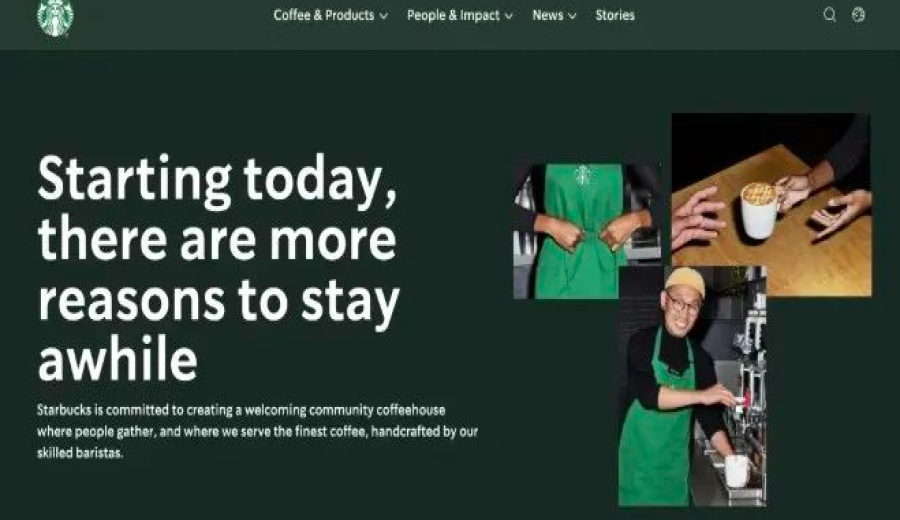
Introduction:Starbucks has recently launched a series of innovations in its stores across the United States and Canada, including the return of free refills, a full upgrade to eco-friendly tableware, and a streamlined menu with 30% fewer items. This adjustment not only focuses on enhancing the customer experience but also strengthens store space management and operational efficiency. This article details the highlights of the new policies, implementation specifics, and potential impacts to help coffee enthusiasts stay up to date with the latest changes.
On January 27, Starbucks announced a series of strategic adjustments being implemented immediately in its U.S. and Canadian stores, with the core goal of optimizing the dine-in customer experience and reviving the classic café atmosphere. These reforms include free refills, upgraded tableware, the return of condiment bars, the revival of handwritten name services, and clearer guidelines for store space usage. CEO Nicole considers this a significant step in the “Return to Starbucks” strategy.
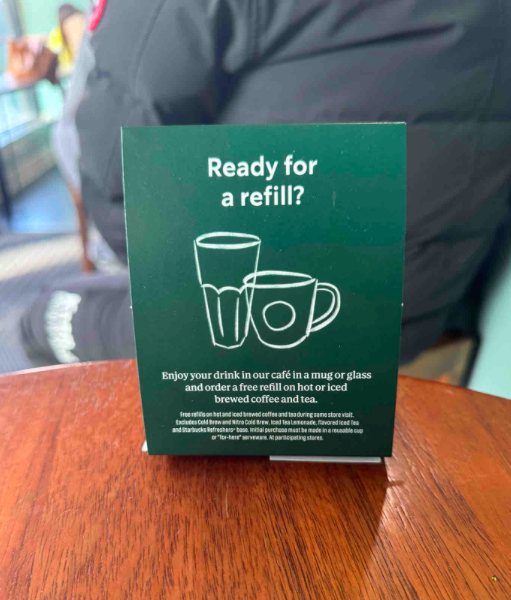
The most notable change is the reintroduction of free refills. According to the new policy, all customers—whether members or not—who make purchases in-store can refill their hot coffee, iced coffee, or tea drinks an unlimited number of times for free. It’s important to note that nitro cold brew and regular cold brew are not included, and takeout orders do not qualify for this benefit. Customers are advised to ask staff to confirm whether their chosen drink is eligible for refills.
At the same time, some stores have begun offering a more environmentally friendly and aesthetically pleasing dining experience: paper cups are gradually being replaced by glass or mug alternatives, while breads and pastries are now served on ceramic plates. This not only enhances visual appeal but has also been praised by photography enthusiasts—the iced americano in a glass cup is noticeably more photogenic than in a plastic to-go cup. However, some consumers have raised concerns about the hygiene management of glassware, and the brand has emphasized that strict cleaning protocols will be enforced to ensure safety.
The condiment bars, which were temporarily removed during the pandemic, have also made a comeback in stores. Customers can now help themselves to milk, sugar, and other flavorings, restoring a more personalized drink customization experience. Another nostalgic return is the handwritten name service on to-go cups. According to the brand, 200,000 markers have been purchased and distributed to stores, and customers can expect to see their names on personalized paper cups again soon.
Store space management policies have also been clearly tightened. The newly established “Café Conduct Guidelines” stipulate that all spaces—including indoor seating areas, outdoor patios, and restrooms—are open only to paying customers and employees. Non-paying individuals may no longer occupy seats or use facilities for extended periods, aiming to maintain smooth traffic flow and fairness within the store. The code of conduct has also been upgraded to explicitly prohibit behaviors such as panhandling, which may affect the comfort of the environment, further safeguarding the safety of both customers and staff.
In terms of store safety, some locations have installed systems to monitor restroom usage, reflecting the brand’s emphasis on employee working conditions. Starbucks has stressed that these measures help create a safer service environment and maintain good operational order. However, some employees are concerned that overly strict regulations may heighten friction between customers and staff, and the actual impact remains to be observed.
During a recent earnings call, CEO Nicole further revealed plans for a major menu streamlining, with around 30% of beverage and food items expected to be removed. She pointed out that the current menu has become overly complex, leading to delays in ordering and increased wait times for customers. Items such as the olive oil drink and the iced energy drink series have already been removed from the menu, and other low-performing products may face adjustments in the future.
Despite reducing the number of menu items, the brand has not overlooked product variety. Nicole mentioned that new offerings, such as “Cortado”—a traditional Spanish combination of espresso and warm milk—will be introduced, and previously popular pistachio-flavored drinks may also return to the menu. This approach balances the goal of simplifying the structure while still satisfying customers’ desire for novelty.
Overall, Starbucks’ North American store adjustments focus on returning to core values: strengthening human connections, enhancing the physical store experience for customers, and maintaining brand competitiveness through sustainability and efficiency. Whether these changes will successfully reshape the brand image and bring back loyal customers will be a key focus in the coming quarters.
The above content is compiled by CoffeeHunters, a coffee news website.


