







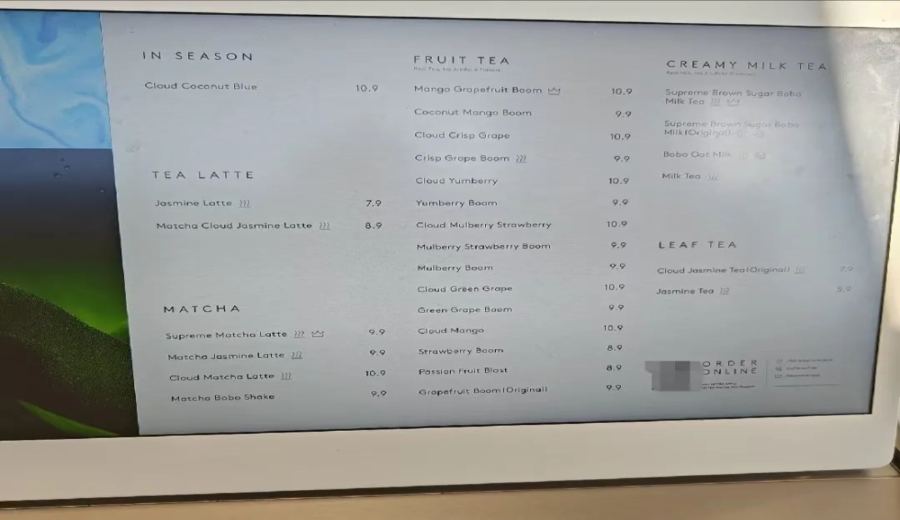
Introduction:Heytea recently implemented an all-English menu across its stores in the UK, US, Australia, and other regions, while also removing the language selection feature from its app, sparking dissatisfaction among overseas Chinese consumers. Many customers have reported that the purely English menu makes ordering difficult, and even Chinese staff frequently make mistakes. Should a brand’s localization strategy sacrifice Chinese elements? This article delves into the impact of this move on customer experience and brand image.
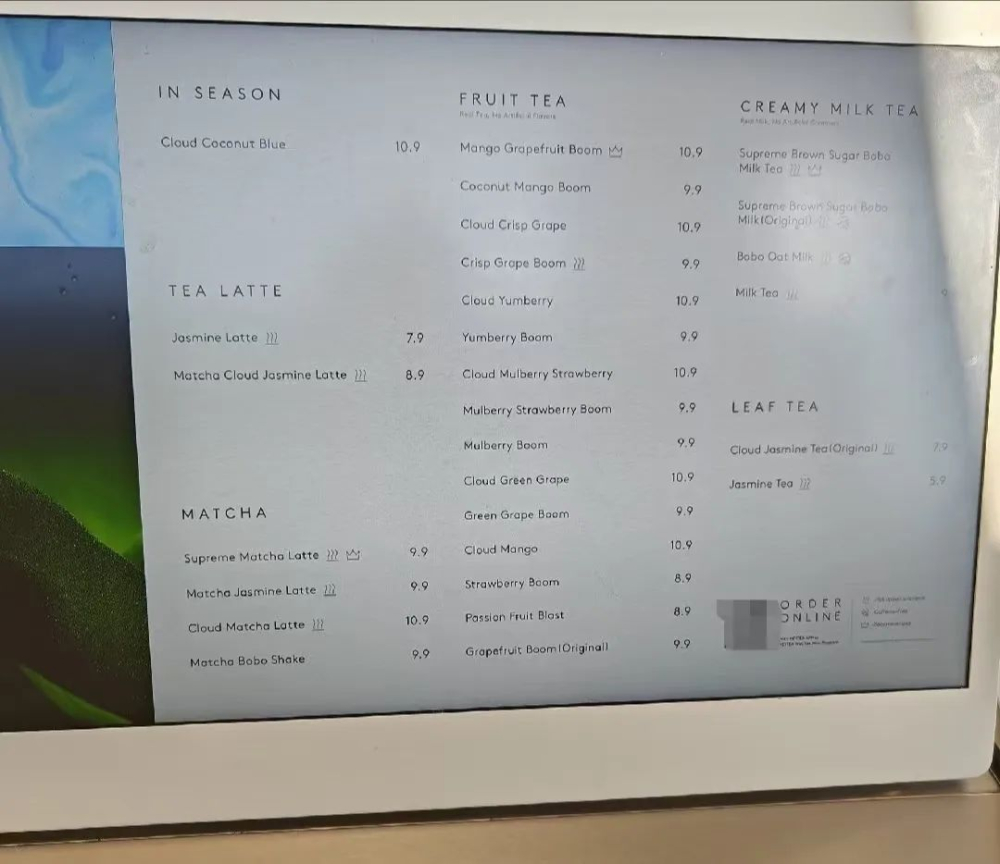
Recently, Heytea’s Southampton, UK store switched to an all-English menu, which quickly sparked heated discussions within the overseas Chinese community. Some customers shared that the familiar Chinese product names had all disappeared, replaced by unfamiliar English translations, leaving them feeling at a loss when ordering. Even for those proficient in English, fluently pronouncing Heytea drink names in English is no easy task.
Not only are customers troubled, but Chinese employees in the stores have also made ordering errors due to their unfamiliarity with the new menu, further affecting the customer experience. Observations note that similar French or Spanish restaurants operating in the UK typically offer bilingual menus to accommodate customers with different language backgrounds. As a result, many consumers believe Heytea should provide both Chinese and English options, rather than completely abandoning Chinese.
After the incident came to light, the Heytea Southampton store apologized to the affected customers, but explained that the menu change was a unified decision from headquarters and that individual stores had no authority to adjust it. What surprised consumers even more was that other locations—including London’s Oxford Street store, the New York Lab store in the US, and the Sydney branch in Australia—have also successively switched to all-English menus, indicating that this was not an isolated decision by a single store.
In addition, the official Heytea app has been updated to remove the user-selectable language feature, instead automatically displaying the corresponding language based on location. For example, the app shows Japanese in Japan, English in the US, and only displays the Chinese interface in mainland China. This adjustment has further upset overseas Chinese users, who feel the brand is deliberately downplaying its Chinese elements.
Reactions to these changes have been polarized online. Some supporters argue that localization should prioritize the local language to help domestic customers quickly understand product features. However, more consumers emphasize that Heytea’s main overseas clientele are actually Chinese students and workers abroad, and a bilingual Chinese-English menu would better meet their needs. “Having lived in the UK for years, I still prefer to read Chinese menus when eating Chinese food,” shared one long-term overseas netizen.
Notably, other Chinese bubble tea brands in different countries usually retain bilingual Chinese-English menus, with some regions even offering additional languages like French or Italian to serve a diverse customer base. In comparison, Heytea’s complete removal of Chinese product names not only affects the ordering convenience of Chinese consumers but is also seen as diluting the brand’s “Chinese identity.”
Some netizens bluntly stated that this move may appear to cater to the local market but seems like a deliberate attempt to “distance” the brand from its Chinese roots, which is hard to accept. Without Chinese elements, local consumers might mistakenly assume Heytea is a brand from another Asian country, further diluting its uniqueness.
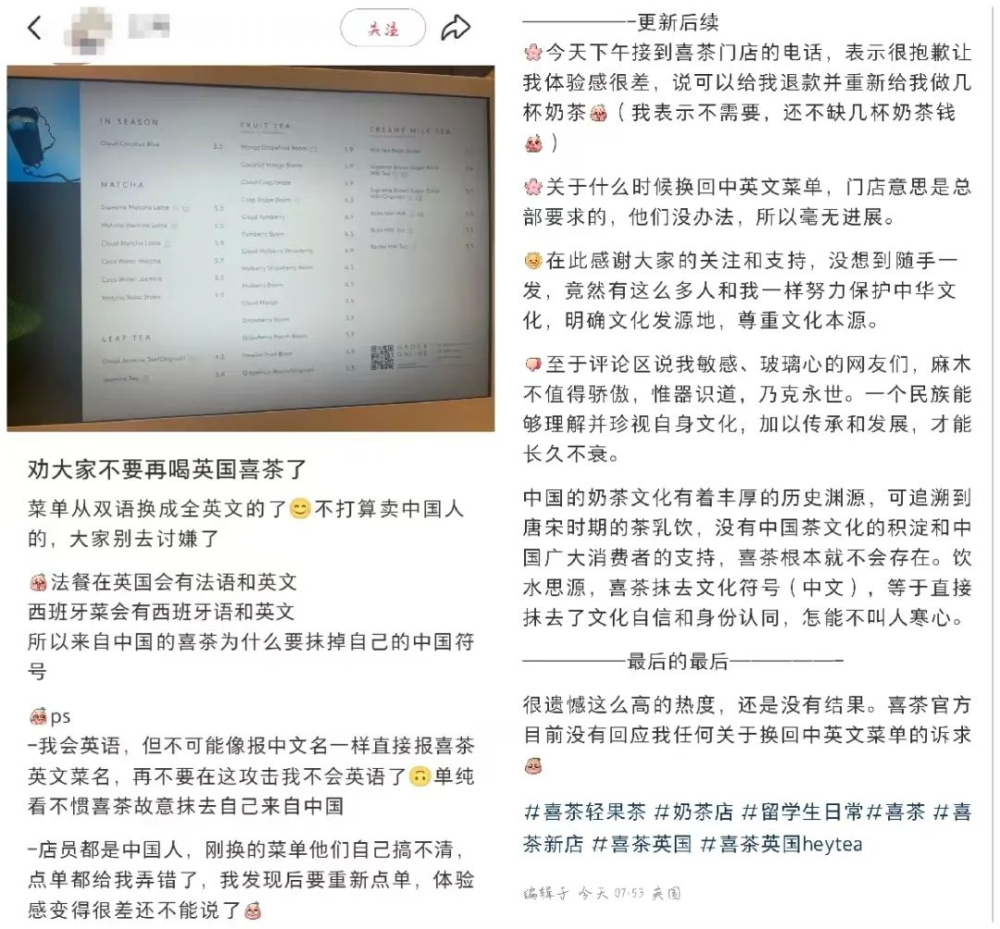
As the issue gained traction on social media, Heytea’s official customer service appeared in the comments section but did not directly address the decision to use all-English menus in overseas stores. Some consumers expressed that if the brand fails to provide a reasonable explanation and restore the bilingual option, they might consider boycotting related products to voice their dissatisfaction.
Industry insiders pointed out that while chain brands expanding overseas do need to consider language adaptability, completely abandoning Chinese elements may not be the best strategy. Retaining a Chinese menu not only enhances loyalty among Chinese customers but also helps shape a clear brand image, avoiding being mistaken for a regional chain from elsewhere.
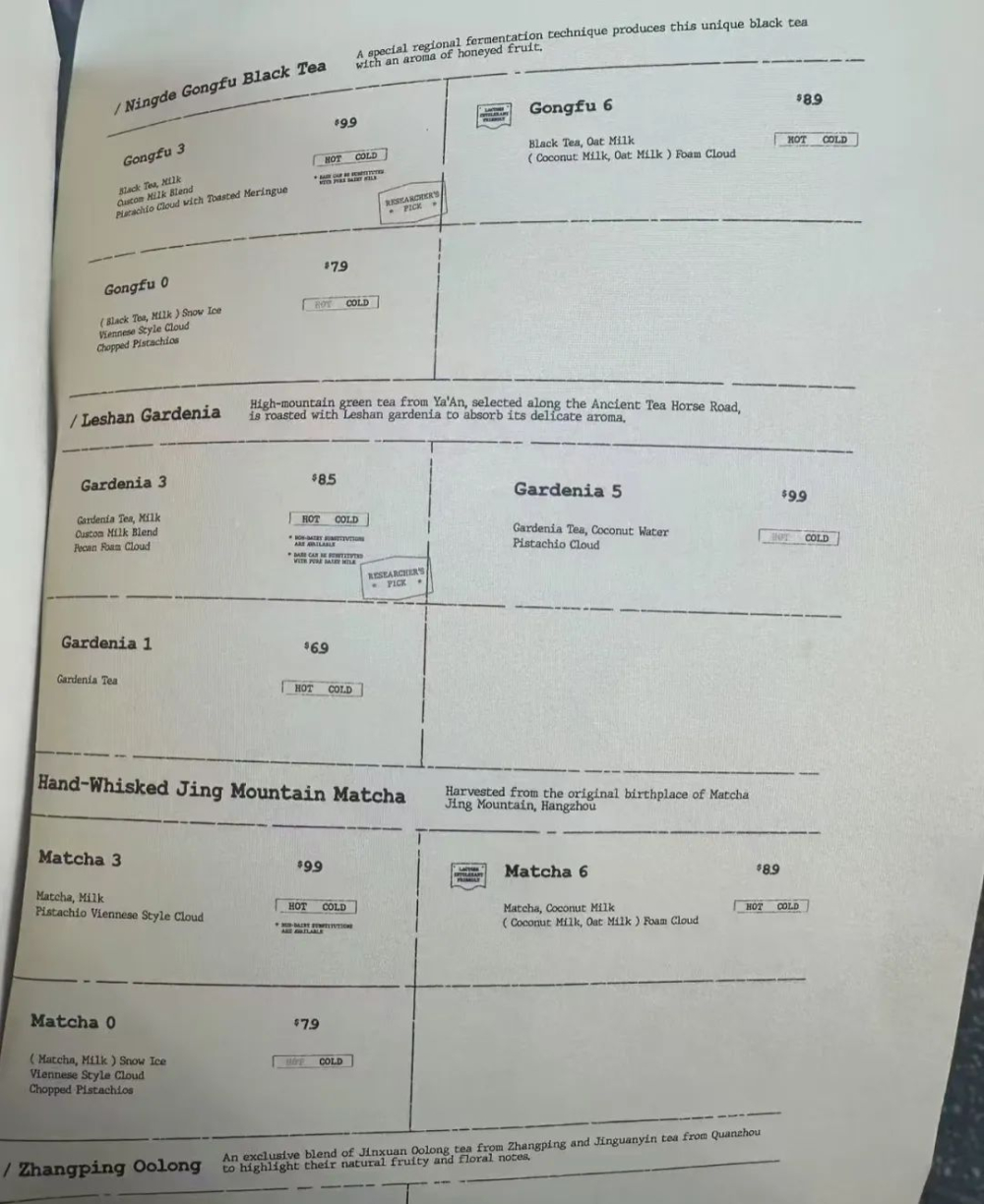
The above content is compiled by CoffeeHunters, a coffee news website.


