








Introduction:Have you ever experienced brewing pour over coffee only to find that the wateriness is pronounced, the flavors are weak, or it even tastes overly diluted? This is very likely caused by “bypass water.” Whether you’re a beginner or an experienced coffee enthusiast, you might unknowingly introduce bypass water during the brewing process, which can negatively impact extraction efficiency and the overall quality of your coffee. This article delves into the causes of bypass water, including both active and passive types, and explains how it reduces extraction yield and dilutes concentration, ultimately disrupting flavor balance. More practically, we provide two simple and effective techniques—controlling the pour circle’s range and paying attention to the relationship between water level and the coffee bed wall—to help you stabilize your brew quality and bring out a fuller, richer coffee flavor.
Many coffee lovers who enjoy pour over brewing may have encountered this issue: even when using high-quality beans and carefully following brewing steps, the final cup of coffee still feels watered down and lacks depth in flavor, as if it has been diluted. This problem is often related to an easily overlooked phenomenon—bypass water.
So-called bypass water refers to water during the brewing process that does not fully contact the coffee grounds and instead flows directly through the filter paper into the lower brewing chamber. This water can come from two sources: one is actively added—for example, intentionally brewing a strong concentrate and then adding hot water to adjust the strength; the other is passively generated due to improper technique, which is the most common and also the most detrimental to flavor.
Actively added bypass water is usually done for the purpose of taste adjustment. For instance, you might first brew a pour over with a strong, espresso-like concentration, and then add hot water to dilute it to your preferred strength; or similar to making a hot Americano, where you first extract a concentrated espresso base and then mix in hot water. These cases involve consciously adjusting concentration, so although it is bypass water, it doesn’t unintentionally affect extraction quality.
However, for most novice pour over brewers, bypass water is often “passively generated” without realizing it. A common scenario is during the pouring process: some of the hot water does not evenly pass through the coffee grounds but instead flows down through gaps between the coffee bed and the filter or along the edge of the filter cone, entering the lower chamber without adequately extracting coffee compounds. Although this water comes from the hot water you poured, because it did not participate in effective extraction, it not only lowers the overall extraction yield but also dilutes the already extracted coffee liquid, resulting in a final cup that is dull and flavorless.

When the proportion of bypass water is high, the coffee you brew is prone to tasting “watery” or “lacking concentrated flavor.” Because part of the hot water that should have been used to extract the coffee grounds takes a “shortcut,” failing to carry enough flavor compounds while simultaneously diluting the overall concentration of the coffee, greatly compromising the intended sweetness, fruit acidity, or body.
So, how can you prevent this and make your pour over more stable and flavorful? The following two practical techniques can effectively help you reduce the generation of bypass water and improve extraction efficiency.
1. Control the Pour Circle Range — Avoid "Pouring Too Wide"
Many beginners, in an effort to ensure that every coffee ground is wetted, tend to use a wide pouring circle, sometimes even pouring near the edge of the filter cone where there is only a very thin layer of coffee grounds. Although this may seem aimed at even extraction, it can actually cause the hot water to flow directly through the gaps between the filter and the coffee bed or down the edges of the filter paper, creating a large amount of passive bypass water.
Especially when pouring in large circles, if the movement is too wide, the hot water may directly wash over the thinner areas of the coffee bed wall near the rim of the cone—places that naturally have fewer coffee grounds—making it easier for water to “sneak through.” Therefore, it is recommended to control the range of your pour circle, focusing on the central area of the coffee bed and using moderate circular motions to ensure the hot water penetrates the coffee layer evenly, rather than flowing around it.
2. Maintain Appropriate Water Level and Stable Coffee Bed Wall
Another common issue is having the water level too high during pouring. Especially when trying to ensure the bottom coffee grounds are also well extracted, some baristas opt to build up the height of the coffee bed. But if the water level exceeds the height of the coffee bed wall during pouring, the hot water may overflow from the edges of the wall instead of evenly passing through the coffee layer, which can also lead to the creation of bypass water.
To maintain a stable coffee bed wall structure, it is recommended to control the amount and speed of each pour, avoiding pouring too much water at once which could disperse the coffee bed or cause the water level to rise excessively. Additionally, beginners can start by using smaller coffee doses and lower pour heights, gradually mastering the balance between water flow control and bed stability.
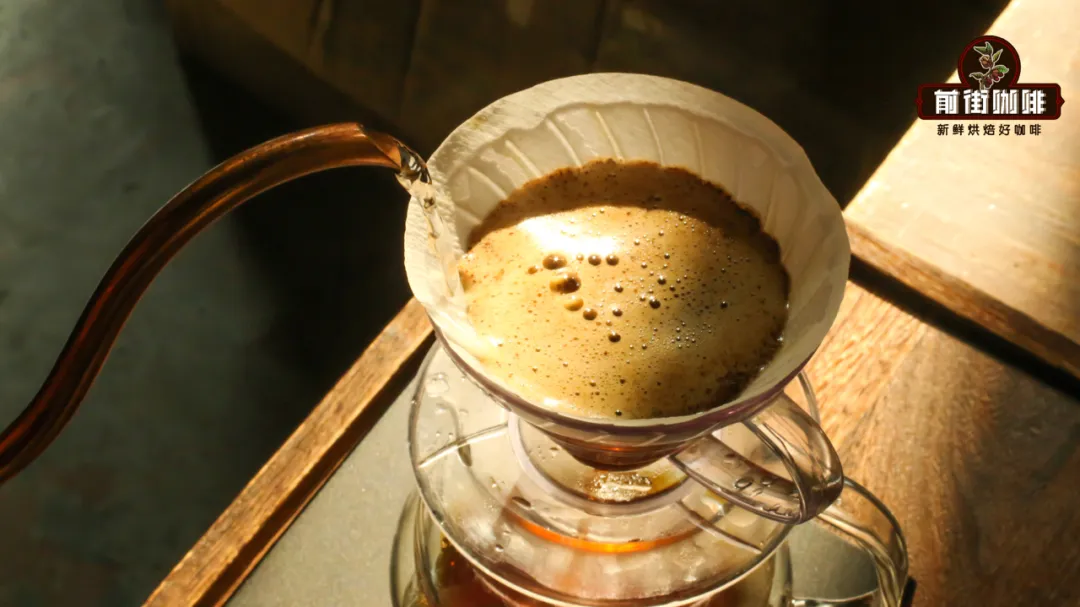
In summary, although bypass water may seem like just a small detail in the brewing process, its impact on coffee flavor and extraction efficiency should not be underestimated. By properly controlling the pour circle range and being mindful of the interaction between water level and the coffee bed wall, you can effectively reduce the generation of bypass water, ensuring that every drop of hot water contributes to extraction and brings out the fullest, richest flavors from the coffee beans. Whether you’re just starting out or already have some experience, these small tips can help you better manage quality in your daily pour overs and enjoy a higher-level coffee experience.
The above content is compiled by CoffeeHunters, a coffee news website.


