







Introduction:As temperatures drop, many fans of Chagee have taken out the limited-edition scarves they received during promotional events, only to find issues such as loose threads and unraveling after washing. This article delves into the quality defects reported by multiple consumers, analyzes possible craft-related causes, and offers practical advice and selection tips for coffee enthusiasts choosing brand merchandise.
As the weather gradually cools down, many consumers who purchased scarves or shawls during Chagee’s limited-time events have started incorporating these items into their daily outfits. However, an increasing number of users have reported that these seemingly exquisite scarves, after only a short period of use—especially after washing—have shown noticeable thread unraveling and loose fibers, significantly diminishing their initial appeal.
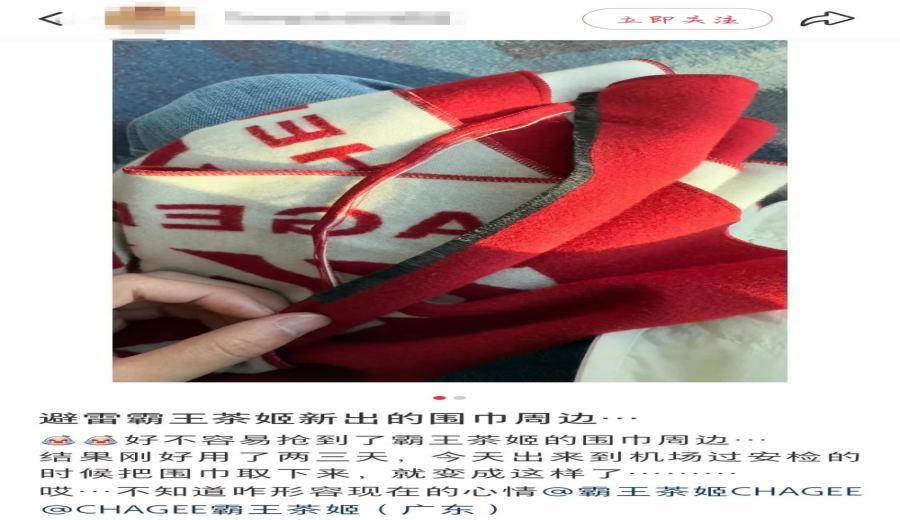
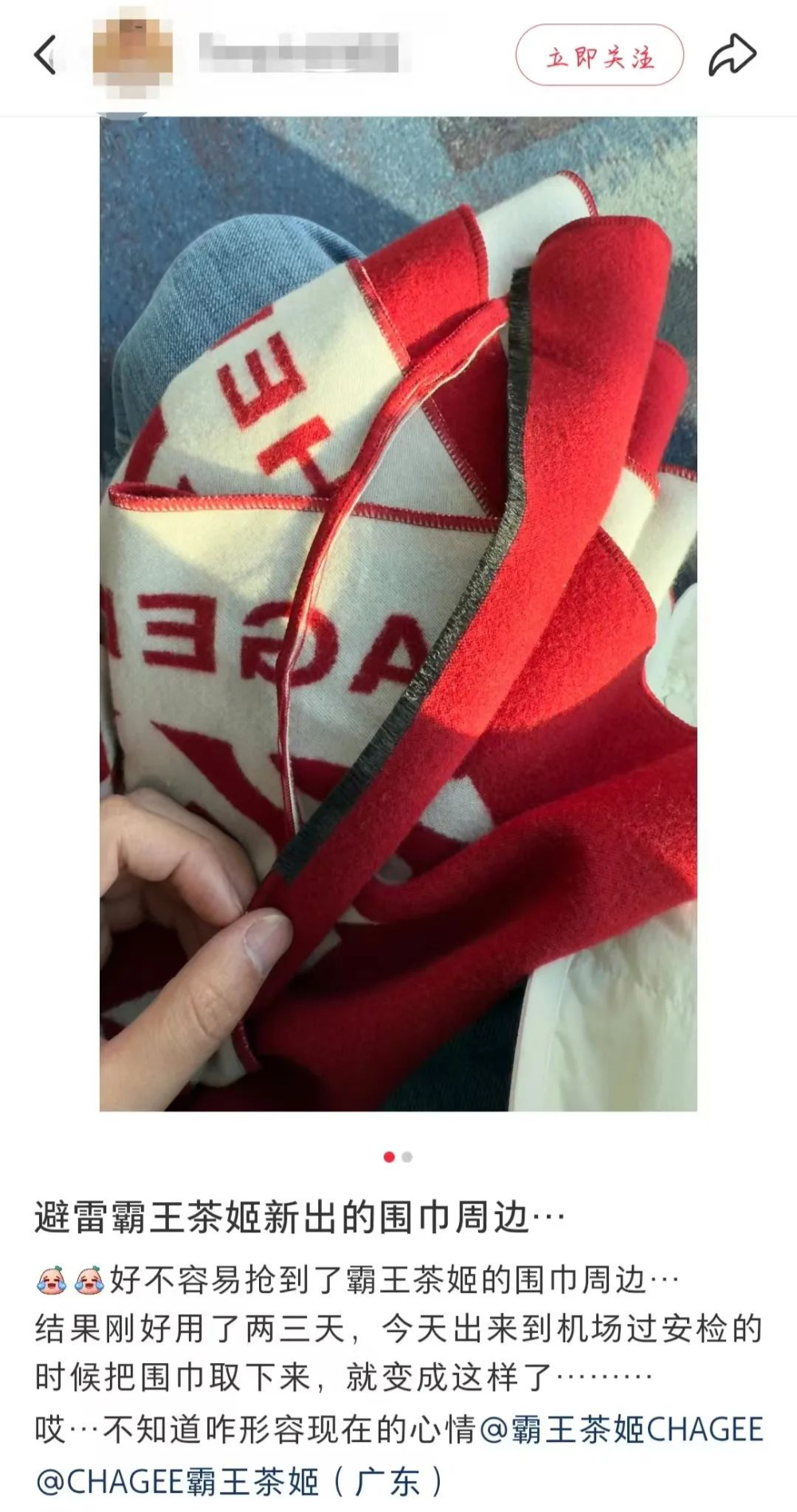
From Guangdong and Suzhou in Jiangsu Province to Chongqing and other regions, numerous Chagee fans have reported that their newly opened or even lightly washed scarves have developed frayed edges. Some scarves began to come apart at the seams just two or three days after being worn, with inner black threads exposed, severely affecting both appearance and durability.
A user from Guangdong shared that she managed to grab a red-and-white scarf during the brand’s Guangzhou-limited event. Within less than a week of use, the edges began to fall apart. She expressed that while she was initially excited to own a scarf that combined brand identity with practicality, the quality issues left her disappointed, and now she worries about wearing it outside.
The problem isn’t limited to hand washing—even using the washing machine’s quick wash cycle hasn’t been safe. One netizen noted that she washed her scarf in the machine for just 15 minutes, and upon removal, the entire edge had “collapsed,” with red and white fibers scattered everywhere, rendering it completely unusable. She had no choice but to throw it away, lamenting that it was “washed to ruin.”
Issues aren’t confined to Guangdong. Consumers in Suzhou and Chongqing have encountered similar problems. Some mentioned that even when carefully washing the scarves inside laundry bags, around ten loose threads still came out; others outright advise, “Don’t wash it at all, it’ll be ruined after one wash.” These real-life cases show that regardless of whether machine washed or not, the durability of these scarves is being questioned.
Regarding these issues, experienced netizens speculate that the cause of the unraveling may be related to the scarves’ manufacturing process. For example, some scarves from certain regions (such as those distributed in Suzhou and Chongqing) were not finished with overlock stitching, making the threads more prone to loosening during friction or washing. Even scarves with overlock stitching (like the Guangzhou-limited edition) haven’t been entirely exempt from post-use fraying, which may suggest flaws in yarn quality or sewing craftsmanship.
From a brand marketing perspective, Chagee has in recent years actively used high-quality, practical merchandise—such as scarves, blankets, and tote bags—to attract consumers and strengthen its brand image. These items not only hold collectible value but also integrate into daily life, further enhancing customer loyalty and creating a form of mobile advertising.
However, consumers’ expectations for brand merchandise go beyond just visual design; they also include basic quality standards. Especially when a product is positioned for “everyday use,” rapid damage due to washing or wearing can easily detract from the overall brand impression. Some coffee enthusiasts who were once enthusiastic about collecting brand merchandise admit that even if they now win limited-edition items, they think twice about whether they’re truly worth bringing home.
For coffee lovers looking to buy or who already own brand merchandise, experts recommend paying extra attention during selection and maintenance. First, it’s advised to review the product description before purchasing to confirm whether it’s suitable for machine washing, recommended for hand washing, or requires dry cleaning. If the product lacks clear care instructions, opt for solid-color or simply sewn styles to reduce the risk of thread loosening. In addition, if the scarf is made of wool or a wool blend, it’s best to hand wash in cold water and lay it flat to dry, avoiding high temperatures and mechanical stress that could cause deformation or damage.
In summary, while brand merchandise can enhance the consumer experience and foster brand loyalty, neglecting basic quality control can backfire. For coffee enthusiasts, while enjoying cross-brand merchandise, it’s important to maintain rational judgment—choosing items that are both practical and aesthetically pleasing ensures that every purchase is truly worthwhile.
The above content is compiled by CoffeeHunters, a coffee news website.


