







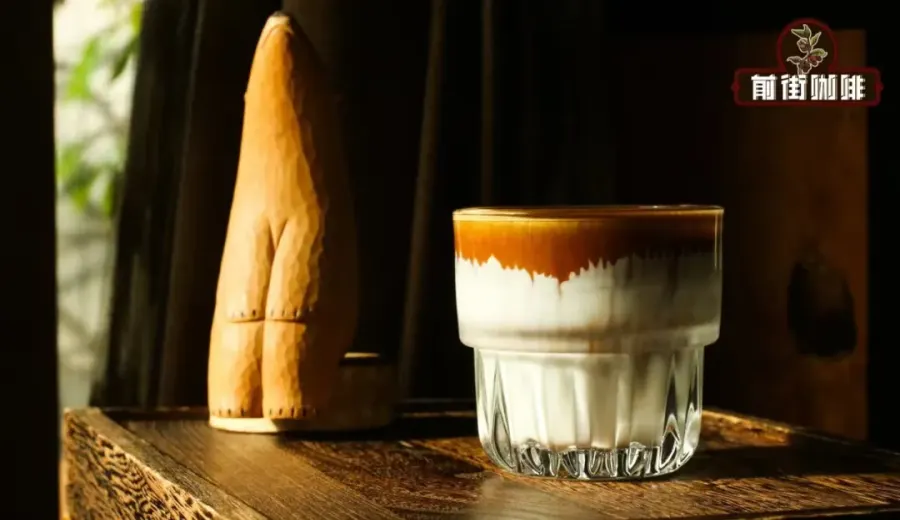
Introduction:Dirty coffee has sparked a trend in the coffee community with its unique layered visual effect of hot and cold. However, many people attempting to make it at home often fail to achieve the desired layering and flavor. This article will delve into the key elements of making Dirty coffee — from the science of layering, ice cube selection to cup choice — helping you master every detail and easily recreate a professional-grade Dirty that is both visually stunning and flavorful.
With its striking contrast between hot espresso and cold milk, Dirty coffee has become a standout beverage in recent years. Yet, many coffee enthusiasts, when making it at home, often end up with results far from ideal due to minor mishandling of details. This article will analyze common issues in the Dirty-making process from three critical aspects: layering effect, ice usage, and cup selection. Whether you’re a beginner or an experienced coffee enthusiast, you’ll find practical tips here to avoid common mistakes and craft a Dirty that excels in both visual appeal and flavor complexity.
In today’s information-saturated world, methods for making Dirty abound, but few can achieve truly distinct layers and vibrant flavors. Many know the basic steps yet overlook the nuances, resulting in a Dirty that only resembles the real thing in appearance, not in spirit. This article focuses on several issues beginners frequently encounter and offers concrete solutions to help you gain better control and confidence in the brewing process.
One of the most common issues is the failure to maintain a true separation between milk and coffee. The greatest charm of Dirty coffee lies in leveraging differences in concentration and temperature to float hot espresso atop cold milk, creating a dual contrast in both visuals and taste. However, many pour the espresso incorrectly — whether due to speed or angle — causing it to quickly mix with the milk, resulting in a drink that tastes like an iced latte without ice cubes, missing the essence of Dirty. (As shown in the photo, the color change in the milk layer on the liquid surface is clearly visible.)
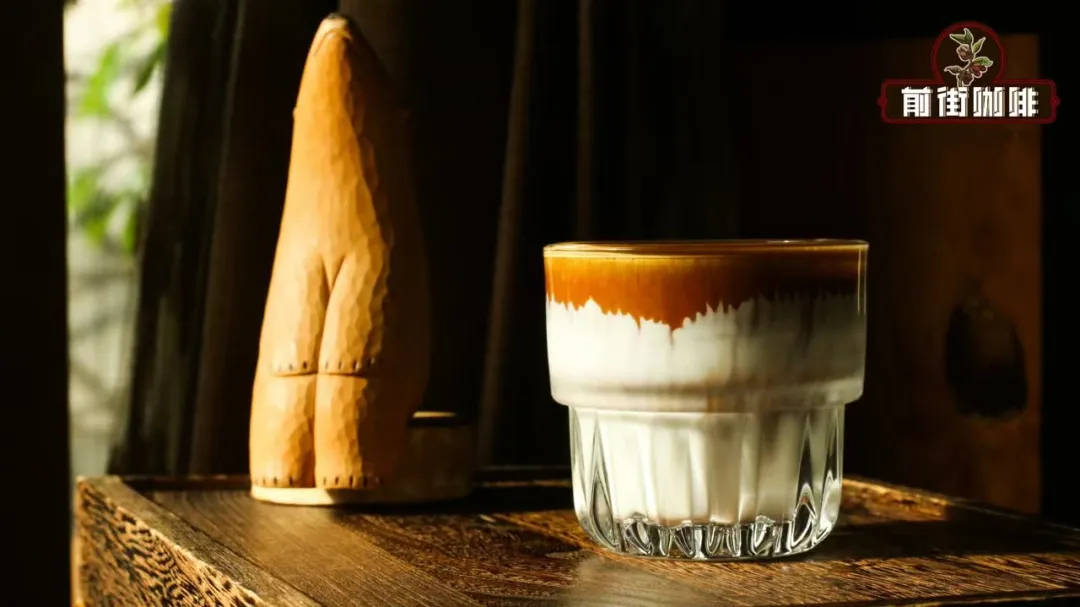
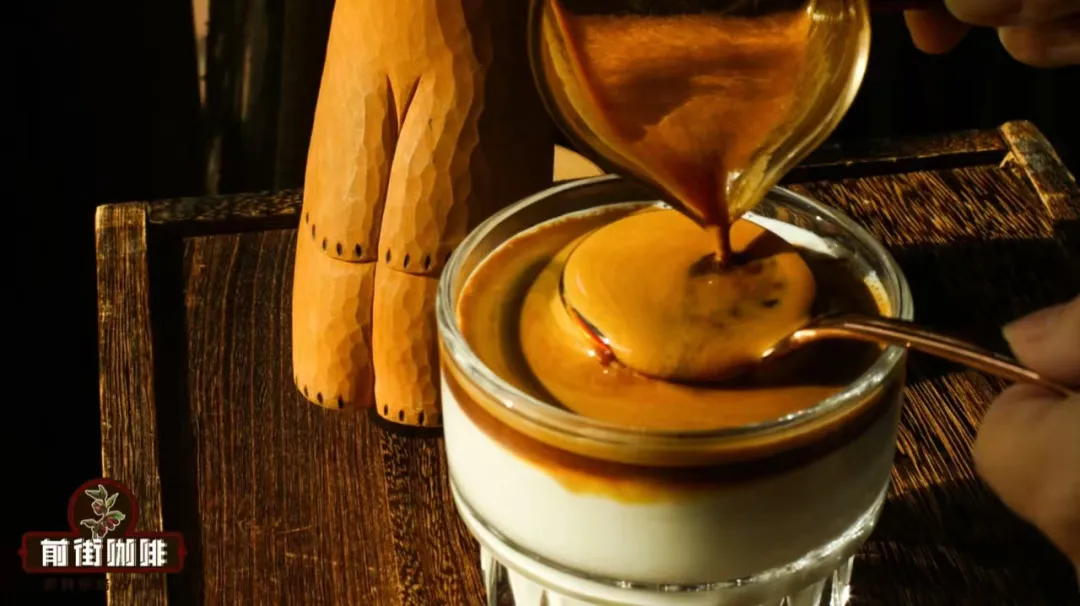
To achieve an authentic layered effect, first pay attention to how and how fast you pour the coffee. It is recommended to slowly pour the hot espresso in a thin stream onto the top of the ice milk, trying to avoid directly hitting the milk surface — this helps maintain the distinct layers. Additionally, using a cup of appropriate size and shape is crucial. A cup with too wide an opening can cause the coffee and milk to mix quickly, so it's better to choose a straight-sided or slightly tapered glass, which aids in stabilizing the layers.
The choice of ice also significantly affects the overall outcome. Many overlook how ice impacts both layering and flavor. In reality, using large, clear, and high-density ice cubes not only extends cooling time but also reduces melting speed, preventing the milk from diluting too quickly and compromising layering. On the other hand, crushed ice or small cubes can cause rapid temperature rise and mixing — best avoided. For enhanced visual appeal, consider square or specially molded coffee ice cubes; they’re not only aesthetically pleasing but functionally superior.
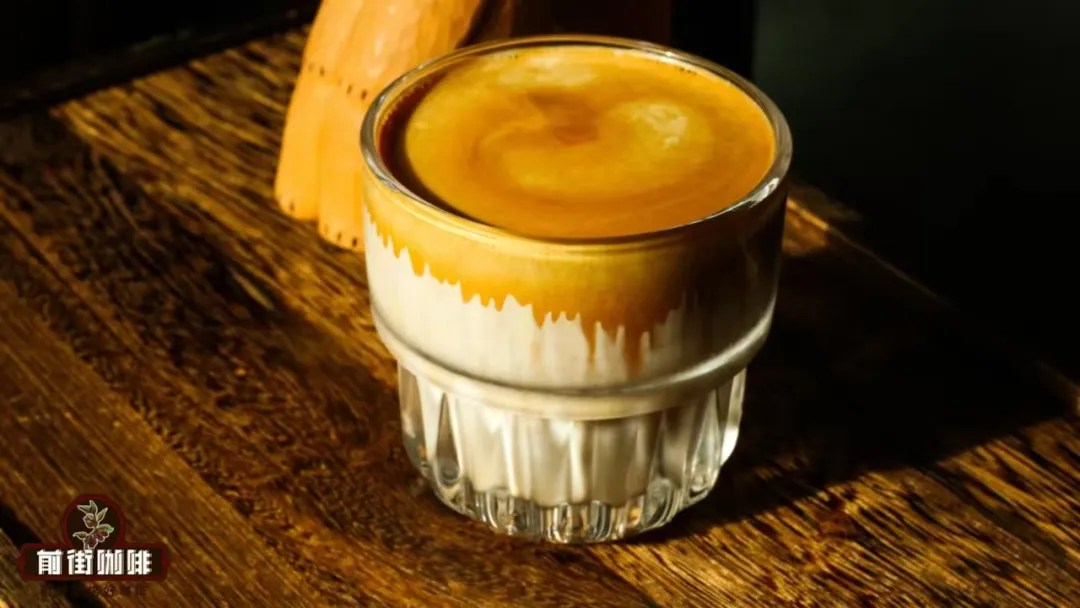
Cup selection is another critical factor in presenting Dirty coffee well. Beyond the shape mentioned earlier, the material and transparency of the cup also influence the overall experience. A transparent glass cup fully showcases the layering effect, enhancing visual enjoyment, whereas dark or opaque cups may hide the most captivating part of a Dirty. Additionally, the height and capacity of the cup should match the proportion of coffee to milk. It is recommended to choose a cup with moderate capacity and suitable height to better control the pouring speed and the presentation of layers.
Taking all these factors into account, crafting a successful Dirty coffee requires balancing technique and detail. Every step — from pouring skills and ice selection to cup pairing — influences the final visual and flavor performance. We hope the practical advice in this article helps you avoid common pitfalls when making Dirty at home and present a Dirty coffee that is as beautiful as it is delicious.
The above content is compiled by CoffeeHunters, a coffee news website.


