








Introduction:Want to discern delicate flavors like citrus and floral notes in a cup of coffee, but can only taste acidity and bitterness? This article delves into the sources of coffee flavors, exploring how factors such as variety, origin, processing method, and roast level come together to shape a coffee’s unique character. It also shares practical tasting tips and compares how hot and cold pour-over brewing methods affect flavor presentation, ending with recommendations of several classic coffee beans to help you more easily capture the layered changes in every sip.
Have you ever wondered why some coffees have a distinct citrus aroma while others exude a soft floral scent? These subtle flavors are not accidental, but are shaped by a combination of factors including the coffee variety, origin, processing method, and roast degree. Understanding these elements allows you to better perceive the differences and characteristics when tasting coffee.
The overall flavor experience of coffee is actually a combination of aroma, taste, and mouthfeel. When you pick up a cup of coffee, the first aromas you perceive come from volatile compounds formed during the roasting process, laying the foundation for the subsequent taste experience. Next, your taste buds detect basic flavors such as acidity, sweetness, bitterness, and saltiness, while the mouthfeel brings sensations like body and smoothness. These elements intertwine to create the unique flavor profile of a cup of coffee.

For beginner coffee enthusiasts, clearly identifying specific flavor descriptions like citrus or floral notes can indeed be a bit challenging. Most people initially can only distinguish between the two basic tastes of acidity and bitterness, and might even find those detailed flavor descriptions like exaggerated metaphors. But don’t worry—this is a necessary part of learning to taste. With accumulated experience, you’ll gradually develop the ability to discern these subtle differences.
To improve your flavor discernment, you can start by observing the coffee’s aroma. After brewing, take a gentle sniff of the dry and wet aromas while the coffee is still hot, paying attention to any prominent notes of fruit, flowers, nuts, or chocolate. Then, when sipping, let the coffee evenly cover your tongue to feel the layers and changes in flavor. Also, notice the aftertaste and mouthfeel, all of which are important components of the overall flavor experience.

Among the many brewing methods, pour-over coffee stands out as the go-to choice for many coffee lovers seeking to explore flavors due to its precise control over parameters. Within the pour-over realm, hot and cold brewing are two highly representative methods that have distinctly different impacts on how coffee flavors are presented.
Hot brewing typically uses water at 85–95°C, which effectively extracts acidic compounds, sweetness, and aromatic compounds from the coffee, making its flavors more vivid and vibrant. This method is ideal for showcasing the complexity and layering of coffee, especially beans with pronounced fruity acidity or floral characteristics, which often reveal richer details under hot water brewing.
In contrast, cold brewing uses low-temperature or cold water, extracting flavors at a slower pace. This method usually requires more time but reduces the risk of over-extraction, highlighting the coffee’s sweetness and rich body while allowing certain subtle aromas that might be masked in hot brewing to emerge. Cold brewing is suited for those who prefer a refreshing taste or want to explore different facets of coffee.
During actual tasting, it’s recommended to try the same coffee bean brewed both hot and cold, comparing the differences in flavor presentation. You might find that the citrus aroma is more pronounced and the acidity brighter in hot brewing, while cold brewing may showcase a rounder sweetness and gentler acidity, with some floral or spice notes presenting differently.
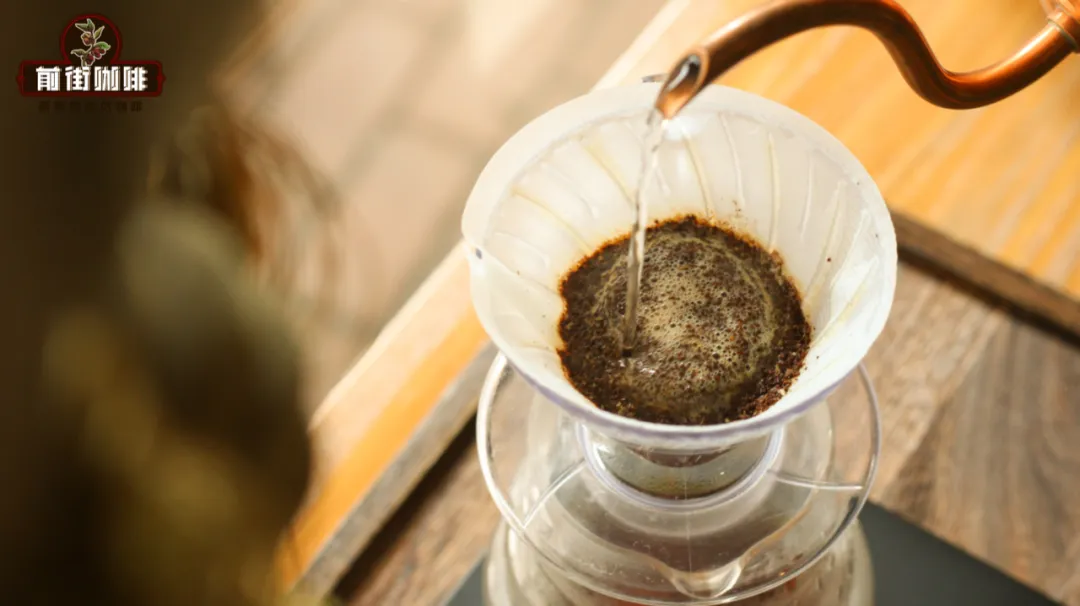
No matter which brewing method you choose, adjusting parameters such as grind size, coffee-to-water ratio, and brewing time is key. Hot brewing generally recommends a medium-fine grind, with a coffee-to-water ratio of about 1:15 to 1:16; cold brewing may require a slightly coarser grind and a longer brewing time to ensure full extraction. These fine-tuned adjustments directly influence the final flavor outcome.
For readers wanting to further explore coffee flavors, try several representative classic coffee beans. These beans typically have distinctive flavor profiles and, whether hot or cold brewed, can display different charms, making them excellent choices for practicing tasting skills. Through continuous sampling and comparison, you’ll gradually develop a keen perception of coffee flavors and enjoy the fun of exploring the unique character of each cup.

Remember, tasting coffee flavors is a journey full of surprises—there’s no need to identify all the descriptors at once. Take it slow, and mindfully savor the sensory experience each sip brings, and you’ll discover the wonders and joys far beyond your imagination.

Whether you’re a complete beginner or an experienced coffee enthusiast, by understanding the components of coffee flavor, mastering basic tasting techniques, and trying different brewing methods, you can uncover more nuanced layers and variations in your everyday coffee moments.

The above content is compiled by CoffeeHunters, a coffee news website.


