







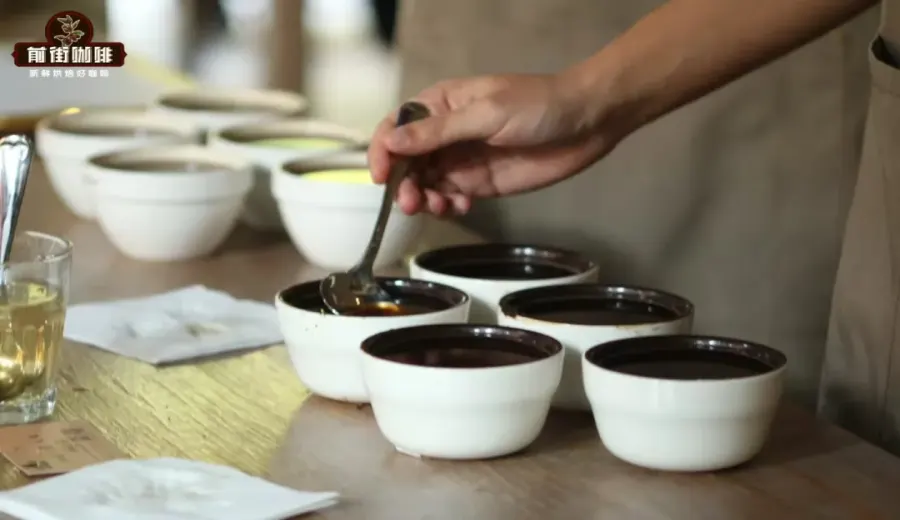
Introduction:Cupping is an essential professional method for evaluating coffee quality, widely used in green bean selection, roast quality control, and even international coffee competitions. This article details the standard cupping process, required tools, and parameter settings to help you master professional cupping techniques and understand how it differs from everyday brewing. Whether you're an industry professional or a coffee enthusiast, you’ll gain practical knowledge.
Cupping originally emerged as a quick method for the coffee industry to assess coffee quality. Over time, due to its low subjective interference and relatively objective results, it has become an industry-recognized quality control tool. Not only do green bean suppliers and roasters use cupping, but all stages from origin to consumer rely on this method to evaluate coffee performance. Even in many international coffee competitions, cupping serves as the core component for scoring or competition.
In recent years, more and more coffee enthusiasts have developed an interest in cupping. Some hope to try organizing small-scale cupping sessions at home or in their shops to personally experience the professional evaluation process. To that end, we’ll delve into the preparation, standard procedures, and key details of cupping, allowing you to get started easily and explore the layers and differences in coffee flavors.
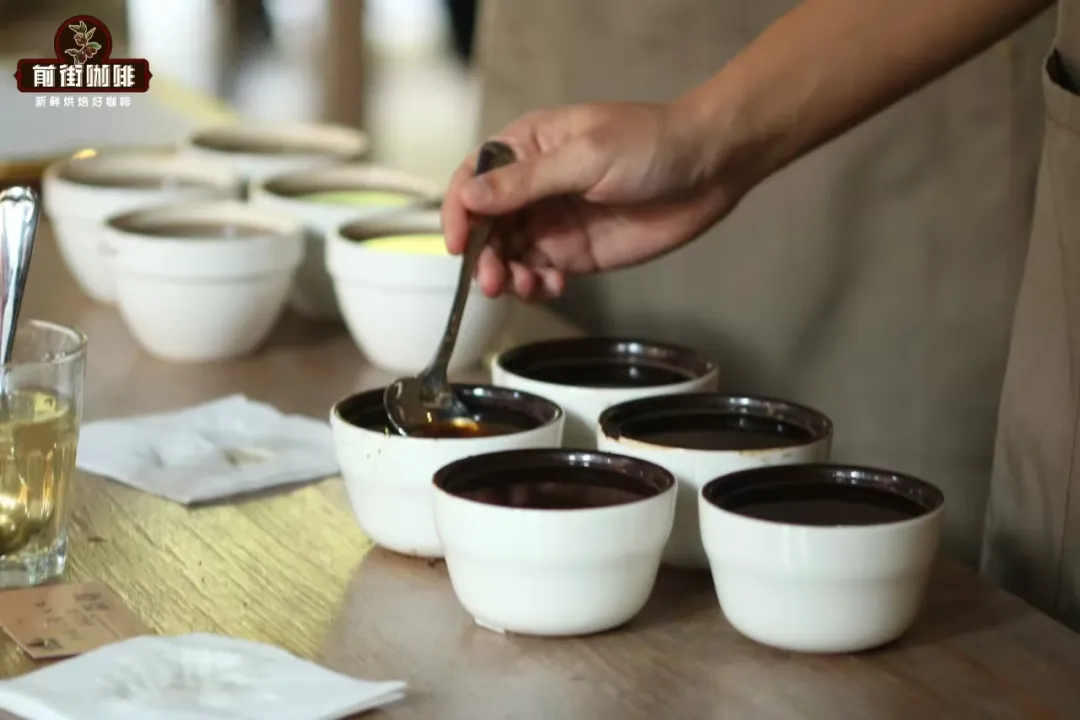
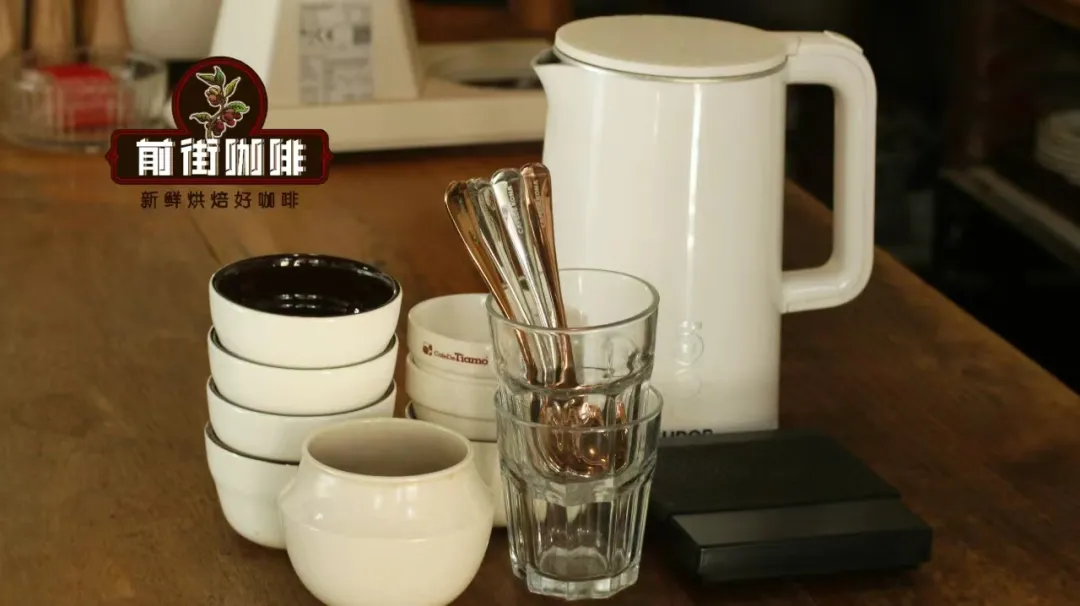
Before conducting a cupping session, it’s essential to prepare the right tools. If you’re just trying it occasionally, you can use regular cups and spoons; however, if you plan to conduct professional cuppings regularly, it’s recommended to invest in dedicated cupping bowls and spoons, which can significantly improve operational efficiency and consistency.
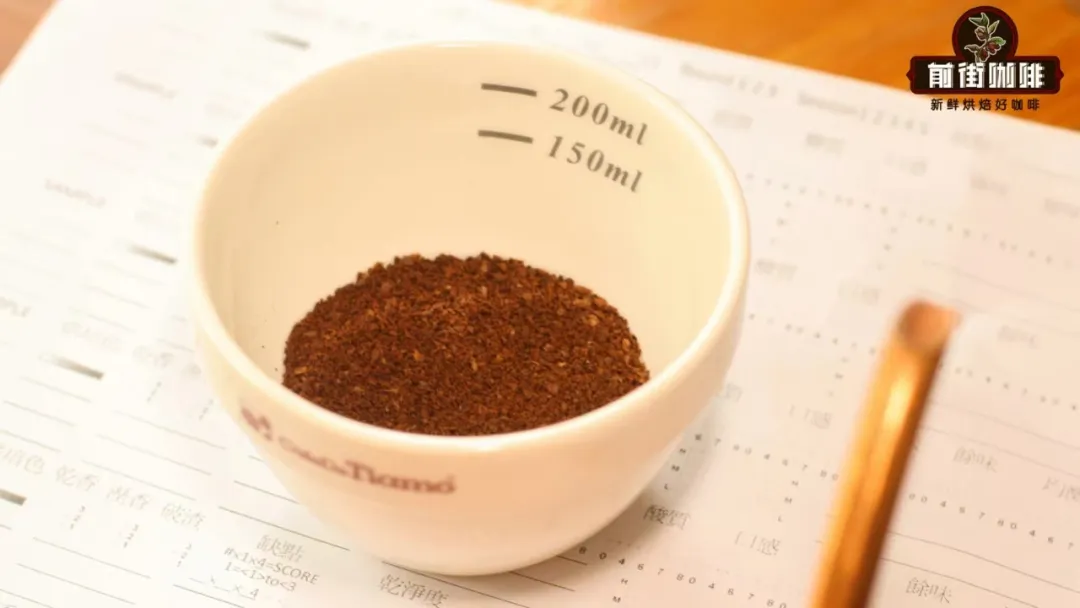
The following are the recommended parameters for standard cupping: use about11 grams to 12 gramsof coffee grounds, with a coffee-to-water ratio set at1:18.18, meaning approximately 18.18 milliliters of water per 1 gram of coffee grounds. The grind size should be adjusted to achieve a75% extraction rate through a #20 sieve, which is slightly coarser than pour over grind and helps ensure even extraction while reducing the risk of over-extraction.
For water temperature, it should be controlled at around94°C, which is the standard temperature for most professional cuppings and helps properly release flavor compounds. Additionally, it’s recommended to use water with a TDS (Total Dissolved Solids) value between75 and 250 ppmto avoid excessively hard or soft water affecting extraction results. After the coffee grounds come into contact with hot water, let it steep for4 minutes—this duration is sufficient for the coffee to fully express its characteristics.

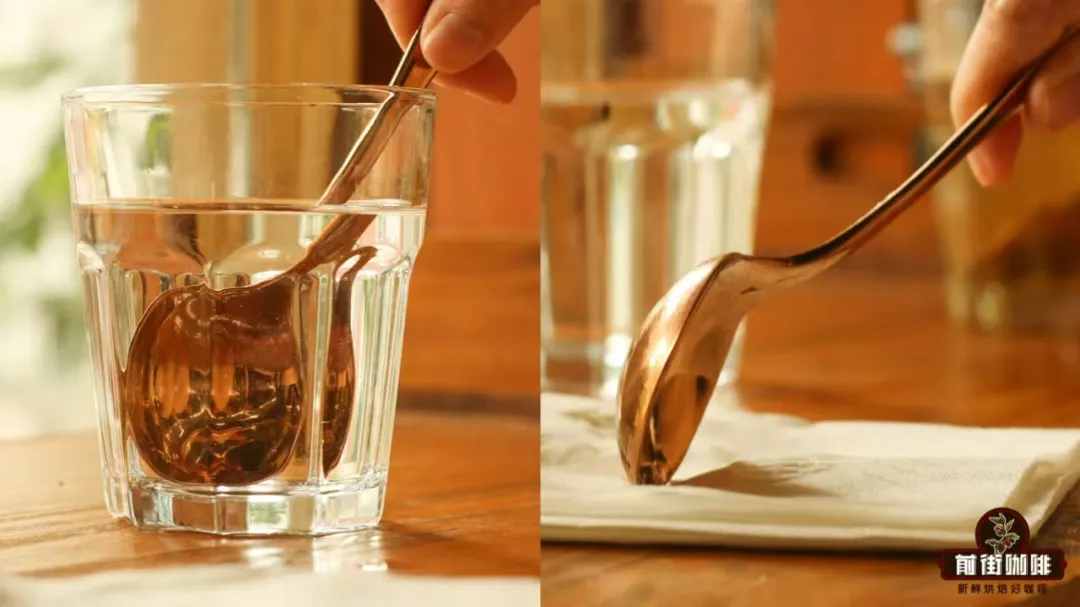
During cupping, observing the dry and wet aromas is the first step. Before starting the steeping, smell the dry coffee grounds to note the initial aroma profile. After pouring hot water, wait for 4 minutes without stirring, allowing the coffee grounds to naturally bloom and release aromas. Once the time is up, use the cupping spoon to break the coffee’s surface “crème” (Crema), then gently swirl the spoon to release more aromas before sniffing.
Slurping is one of the most crucial steps in cupping. Take a small amount of coffee liquid into your mouth and use a quick inhalation of air to atomize the liquid, distributing the flavors evenly across your palate. This helps you perceive acidity, sweetness, body, and aftertaste more comprehensively. Record each coffee’s unique characteristics, including specific descriptors from the flavor wheel such as fruitiness, floral notes, caramel, nuts, etc., as well as overall balance and cleanliness.
Cupping is not just a standard for judging the quality of coffee but also an important way to deeply understand its characteristics. Compared to everyday brewing, cupping allows you to engage more directly with coffee’s raw profile, free from brewing techniques, filters, or personal preferences. Through systematic evaluation, you can train your taste sensitivity and further enhance your understanding and appreciation of coffee.
Whether you’re an industry professional or simply a coffee lover, learning cupping can bring a whole new tasting experience. Try following the above standard procedure to conduct a professional cupping yourself and discover the wonders and joys it offers.
The above content is compiled by CoffeeHunters, a coffee news website.


