








Introduction:In latte making, many people overlook the crucial preparatory step of blending, unaware that it significantly impacts the aesthetics and drawing difficulty of latte art. This article delves into the four most common operational mistakes during the blending stage before pouring latte art—including too low a pouring height, excessive flow rate, unstable flow, and coffee crema sitting too long which reduces fluidity—and provides practical improvement suggestions to help baristas and enthusiasts enhance their latte art success rate and overall beverage presentation.
In the latte-making process, the blending step is often neglected, yet its importance is no less than the blooming phase in pour-over coffee. Blending refers to the action of initially mixing a small amount of milk with the espresso shot. This process not only affects the final visual outcome of the pattern but also directly relates to the overall taste and aesthetic appeal of the drink.
Similar to the blooming stage in pour-over, improper handling of the blending phase can lead to difficulties in pattern creation and may even reduce the overall quality of the coffee. Even experienced baristas find it challenging to precisely control the details of blending because this process involves more variables than blooming—any slight mishap could leave irreparable marks on the coffee surface.

To help everyone improve their latte art quality, the following sections will analyze in detail the four most common mistakes during the blending stage and provide specific directions for improvement, enabling every reader who loves latte art to effectively enhance their technique and the quality of the final product.
First, it’s important to note that the overall flavor profile of the coffee still heavily depends on the coffee beans selected. If you prefer a traditional flavor profile, it is recommended to choose a blend with notes of butter, nuts, spices, and dark chocolate—such beans usually produce rich crema, which aids both latte art and flavor expression.
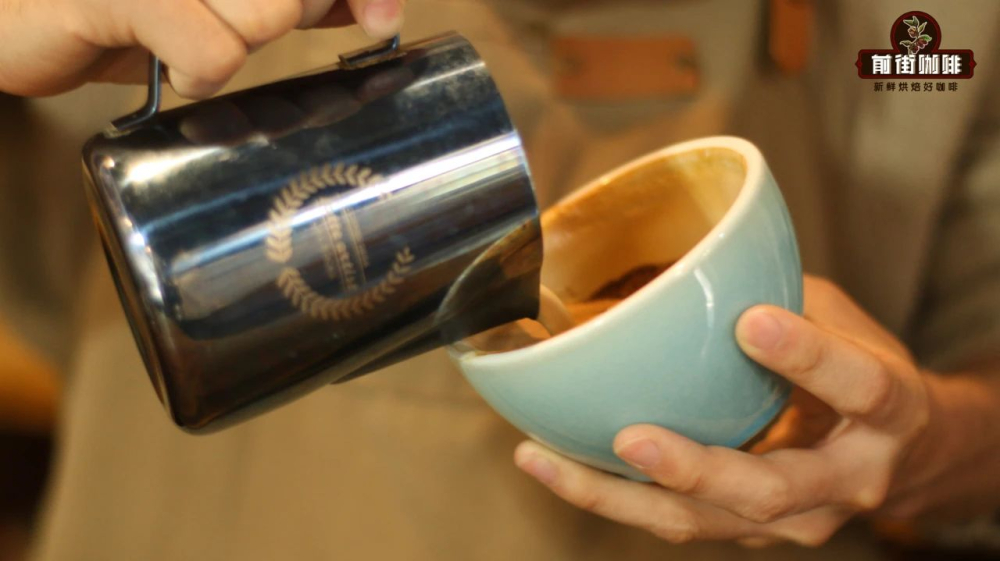
1. Too Low Pouring Height
One of the most common mistakes during blending is setting the pouring height too low. The term “pouring height” refers to the vertical distance from the spout of the milk pitcher to the surface of the coffee. This distance directly affects the impact force of the milk foam and the mixing effect.
Generally, a slightly higher pouring height is recommended during the blending stage to generate enough kinetic energy to evenly incorporate the milk foam into the coffee. However, in practice, many people hold the pitcher too low, causing the foam to lack sufficient force and fail to mix thoroughly with the coffee, resulting in irregular lines or patterns on the surface.
In such cases, even if the subsequent latte art movements are smooth, the background of murky lines can make the overall design look less clean and affect visual appeal. Therefore, during blending, be sure to adjust the pitcher height to maintain an appropriate pouring distance and ensure the foam blends uniformly into the coffee base.

2. Excessive Flow Rate
In addition to pouring height, “flow rate” is another key factor affecting blending effectiveness. Flow rate refers to the amount of milk and foam poured from the pitcher per unit of time, and this parameter also needs to be carefully controlled.
During the blending stage, pouring milk at too high a flow rate can easily cause the foam to hit the bottom of the cup directly, resulting in a “whiteout” effect—uneven white marks appearing at the bottom of the coffee. This not only affects appearance but may also alter the overall taste balance of the drink.
Since the coffee volume is usually relatively low at the beginning of blending, it is recommended to use a smaller flow rate to reduce the risk of hitting the bottom and bouncing back, ensuring the foam gently mixes with the coffee and lays a good foundation for subsequent latte art.
3. Unstable Flow
Another common yet often overlooked issue is unstable flow. This usually occurs when the milk pours inconsistently—sometimes strong, sometimes weak, sometimes stopping—which is less common among advanced users but quite prevalent among beginners.
Fluctuating flow leads to uneven mixing of the foam, not only affecting blending results but also possibly creating larger bubbles on the surface, which can interfere with the smoothness of latte art lines. Although most people naturally overcome this issue with practice, it’s still important to pay special attention to flow stability at the beginning and maintain a consistent pouring rhythm.

4. Coffee Crema Left to Sit Too Long, Losing Fluidity
Finally, many people focus on the state of the milk foam but overlook the quality of the coffee crema itself. In fact, if the crema has been left standing for too long before blending, it may separate, clump, or deflate, resulting in significantly reduced fluidity.
Lack of fluidity in the crema hinders the even blending of the foam and can even create blocky obstacles during latte art, increasing the difficulty of patterning. If the crema condition is poor, it’s recommended to gently shake the cup before blending to remix the coffee and crema, restoring its fluidity—this ensures smooth blending and creates optimal conditions for subsequent latte art.
The above content is compiled by CoffeeHunters, a coffee news website.


