







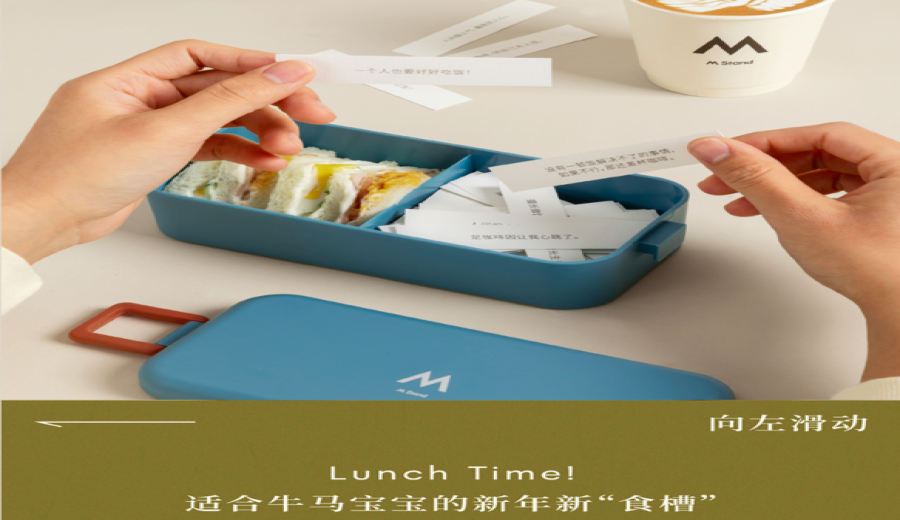
Introduction:After the Lunar New Year holiday, chain coffee brands launched limited-edition merchandise to compete for market share. Mstand attracted office workers with a bento box paired with a set meal, but it received a wave of negative reviews after actual use. This article takes an in-depth look at the issues with this bento box — dubbed the “ox-and-horse trough” by netizens — including its material, capacity, and practicality, to help consumers avoid purchasing pitfalls and make smarter choices.
As the Lunar New Year holiday ended and office workers returned to their jobs, chain coffee brands also kicked off a new round of marketing campaigns. Among them, Mstand introduced a limited-edition bento box to pair with its new coffee flower-flavored latte, aiming to meet the needs of professionals who bring their own lunches. However, this merchandise, jokingly referred to by netizens as the “ox-and-horse trough,” disappointed many consumers due to issues with its quality and design upon arrival.
Consumers reported that although the bento box has a simple and stylish appearance, in actual use, they found the outer shell prone to scratches, with noticeable rough edges around the side clasps that felt unpleasant to the touch. In addition, despite the bright colors of the exterior, close inspection revealed multiple scratches, and even the brand logo appeared incomplete. The overall texture was significantly different from the promotional images, with users describing it as looking “like a well-worn old item.”
Beyond aesthetic issues, the bento box’s material and functionality have also raised many questions. Although the product packaging states that the main material is PP polypropylene, it does not specify whether it is microwave-safe — a major concern for users who need to heat their meals. Many office workers hope for a bento box that offers both insulation and heating capabilities, but this plastic model not only lacks insulation, but also sees its practicality greatly diminished if it cannot be used in the microwave.
Additionally, some consumers pointed out that the bento box has a small capacity, and its internal dividers are not adjustable, making it difficult to accommodate the average adult’s portion size. For those with larger appetites or who prefer to carry a variety of dishes, this bento box is clearly not very practical — it’s more suited for people on calorie-controlled diets or those with smaller appetites.
“This kind of material seems only suitable for ‘white people’s food’ — I never feel safe putting hot food in it,” “I’d rather choose stainless steel,” “It feels too much like plastic, and I’m worried about food safety issues.” Such user comments are plentiful. Many users also said the gap between the product and their expectations was too wide, stating they “regretted it deeply,” ultimately only being able to use the bento box for storing small items, rather than as an everyday lunchbox.
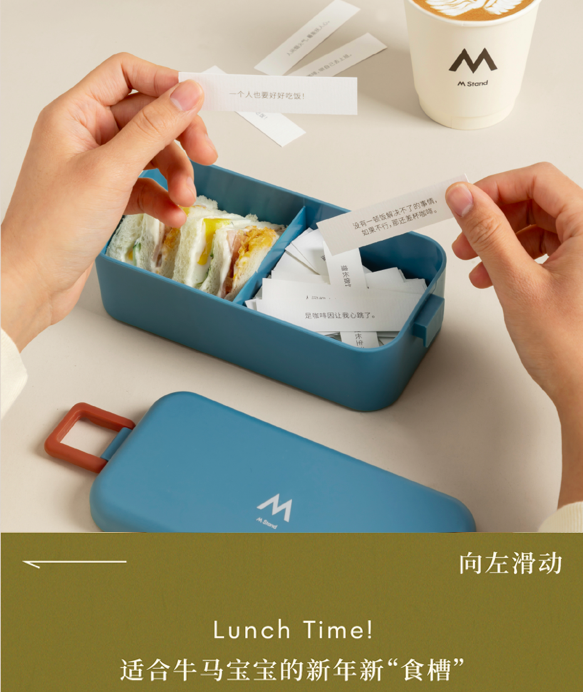
Mstand has previously launched tableware such as cups and tea bowls, which received positive feedback from fans. However, this bento box has left consumers openly expressing disappointment. Many believe that if the brand wants its merchandise to truly integrate into daily life, it must fully consider material safety, capacity needs, and real-life usage scenarios during the design phase, to avoid the products becoming mere “good-looking but useless” decorations.
For consumers considering purchasing branded merchandise, it is recommended to carefully evaluate the product’s actual functionality and material specifications before buying. Especially for items intended for frequent daily use, durability and safety should be prioritized to avoid spending a lot of money only to end up with a disappointing experience.
The above content is compiled by CoffeeHunters, a coffee news website.


