








Introduction:Although the process of making syphon coffee (Syphon) may seem complicated, as long as you master the correct operation sequence and heat control, you can easily brew a pot of coffee with distinct layers and outstanding aroma. This article not only delves into the working principle and equipment structure of the syphon, but also provides a detailed explanation of each practical step—from heating the lower chamber, adding coffee grounds, to separating the coffee in the upper chamber—and particularly emphasizes common mistakes and safety points to prevent the syphon from exploding, helping you safely enjoy this classic extraction technique.
The method of making syphon coffee (also known as siphon or vacuum coffee) often gives an impression of being professional and mysterious, but in fact, as long as you understand its basic operating logic and are familiar with the details of each step, you can also consistently brew a delicious pot of coffee at home. However, before you start, it’s essential to first understand how the syphon works, clarify some common misconceptions, and recognize which operations might lead to the dangerous situation of a “syphon explosion,” so that you can enjoy this unique coffee experience safely.
The principle of the syphon may sound like it relies on siphoning, but in reality, the key lies in the pressure difference created by thermal expansion and contraction. When the water in the lower chamber is heated, the air inside expands due to the heat, increasing the pressure and pushing the water up into the upper chamber. At this point, coffee grounds are added for steeping and stirring extraction. Once the heat source is removed, the temperature in the lower chamber drops, the pressure decreases, and the brewed coffee is drawn back down into the lower chamber. This entire process not only demonstrates scientific principles but also enhances the flavor complexity of the coffee.
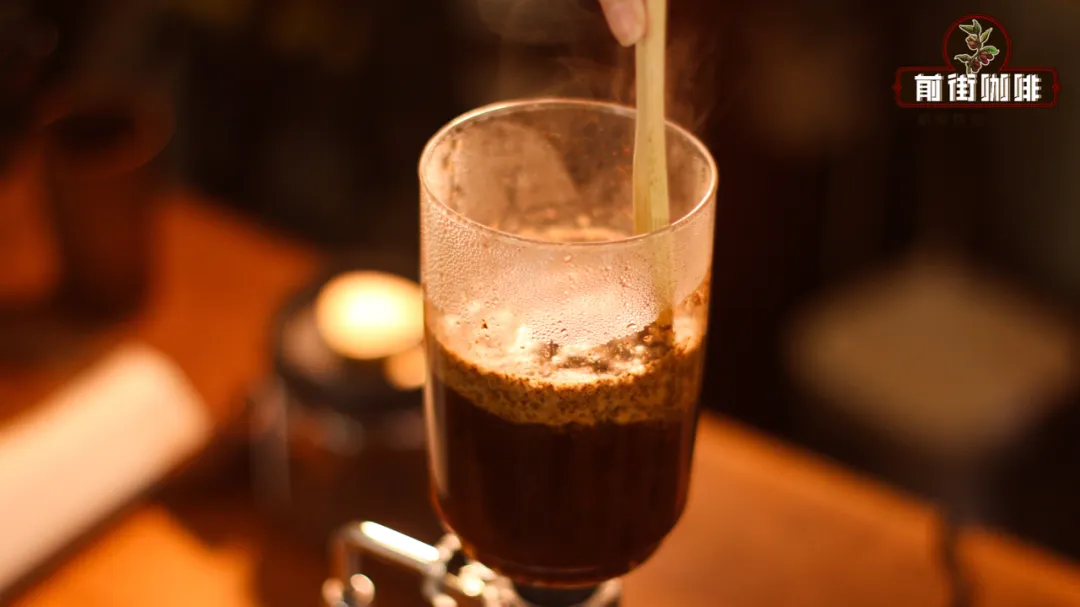
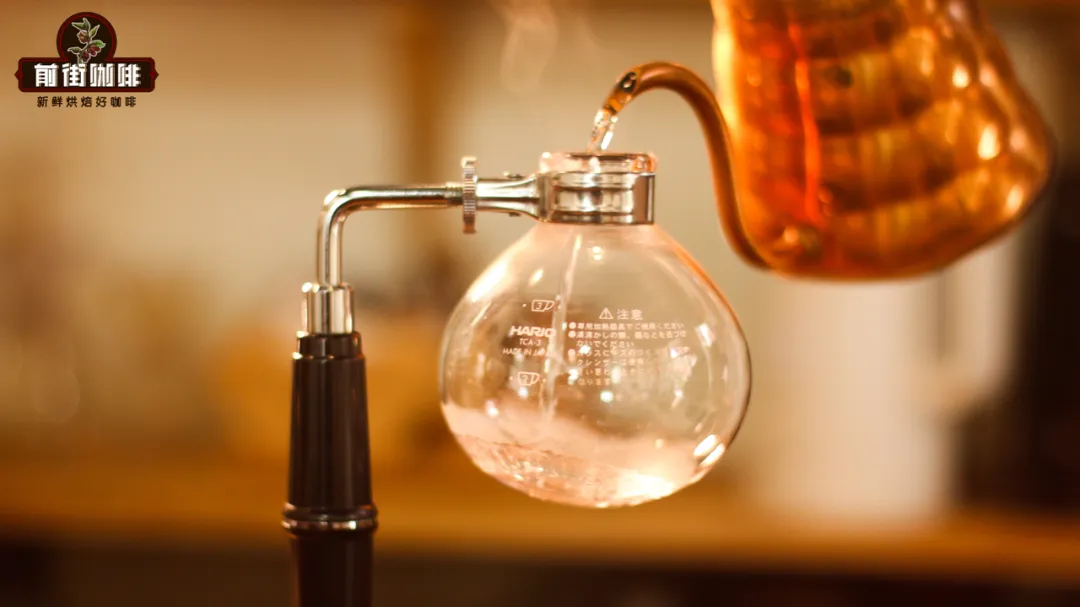
The basic structure of a syphon can be mainly divided into three parts: the frame, the lower chamber, and the upper chamber. The frame is used to stabilize the entire setup, ensuring the kettle doesn’t tilt or shake during heating; the lower chamber is usually spherical in design, which helps ensure even heating and is typically used to hold water as the main container for heating; the upper chamber is cylindrical, with a slender glass tube connected to its base. This tube has a critical silicone or rubber seal at its narrowed section, which not only maintains an airtight seal but is also an important component to prevent leaks and explosions.If this rubber seal becomes aged, worn, or is improperly installed, it can very easily cause liquid leakage or even pressure loss of control, making it the primary safety concern.
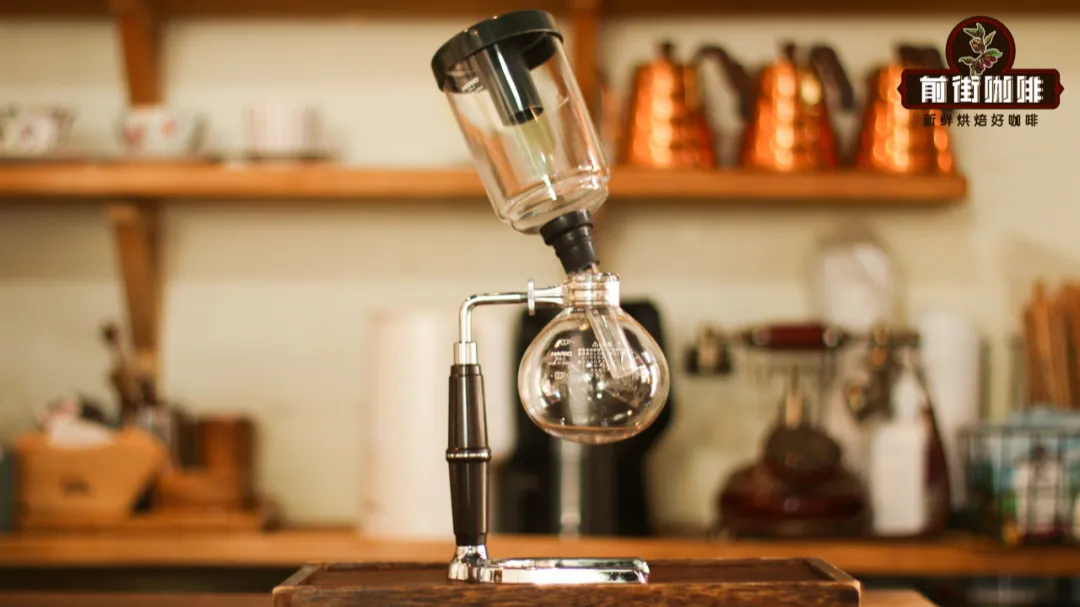

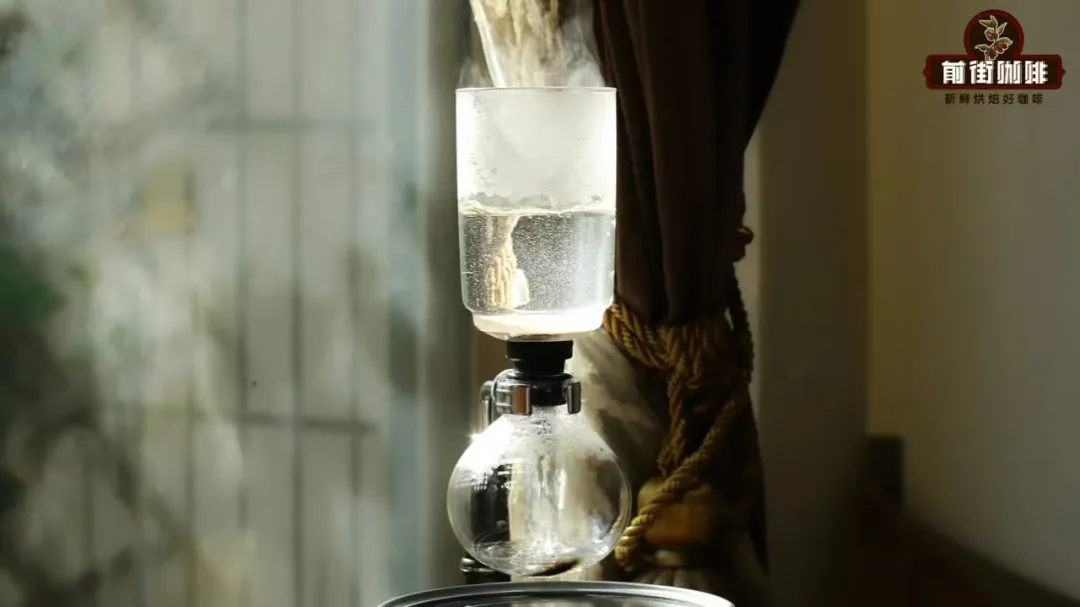
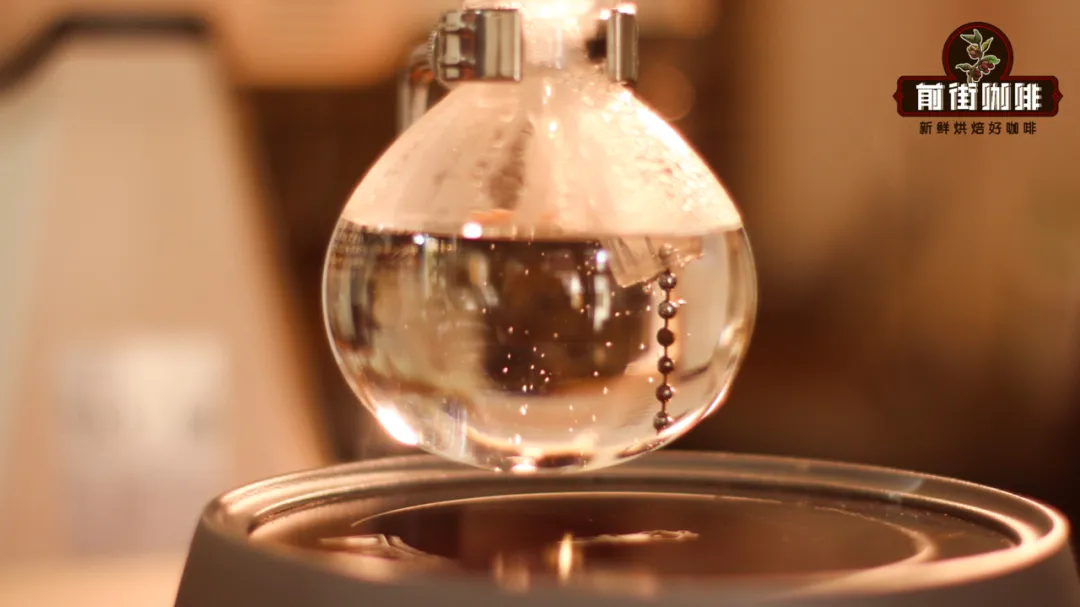


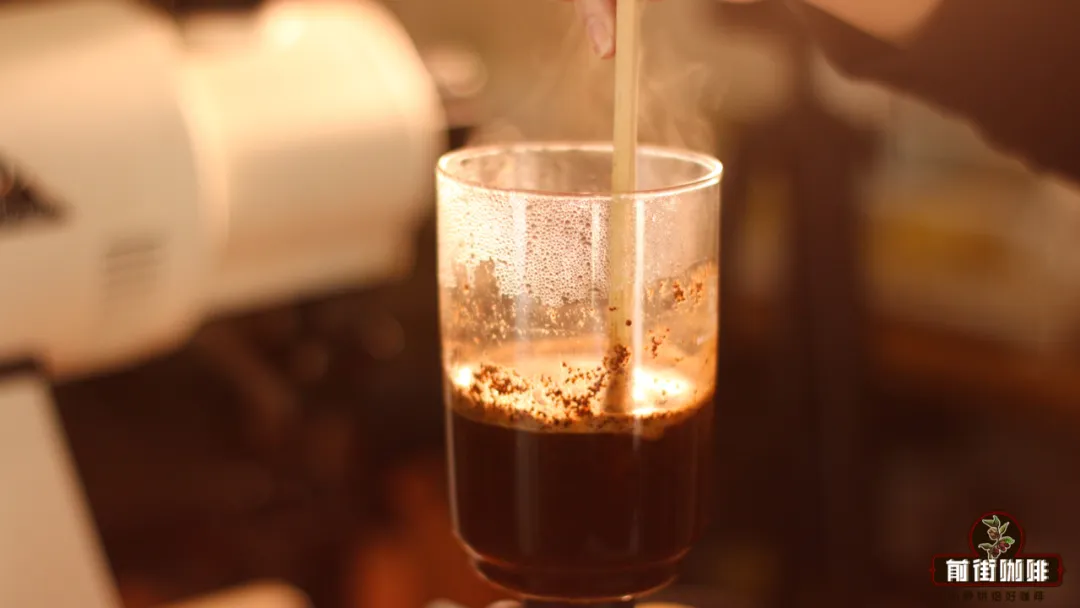
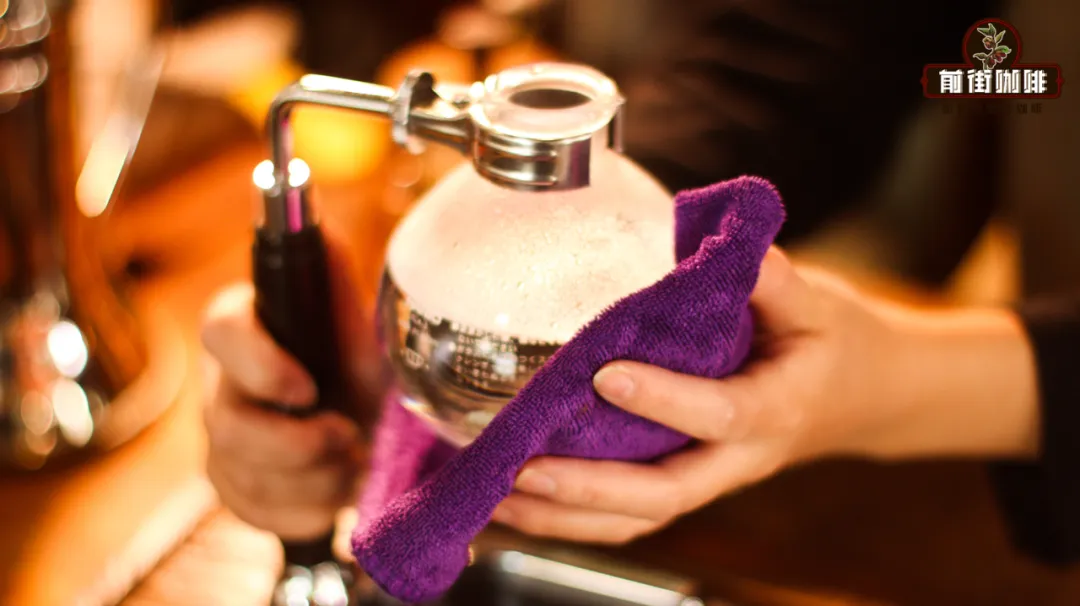
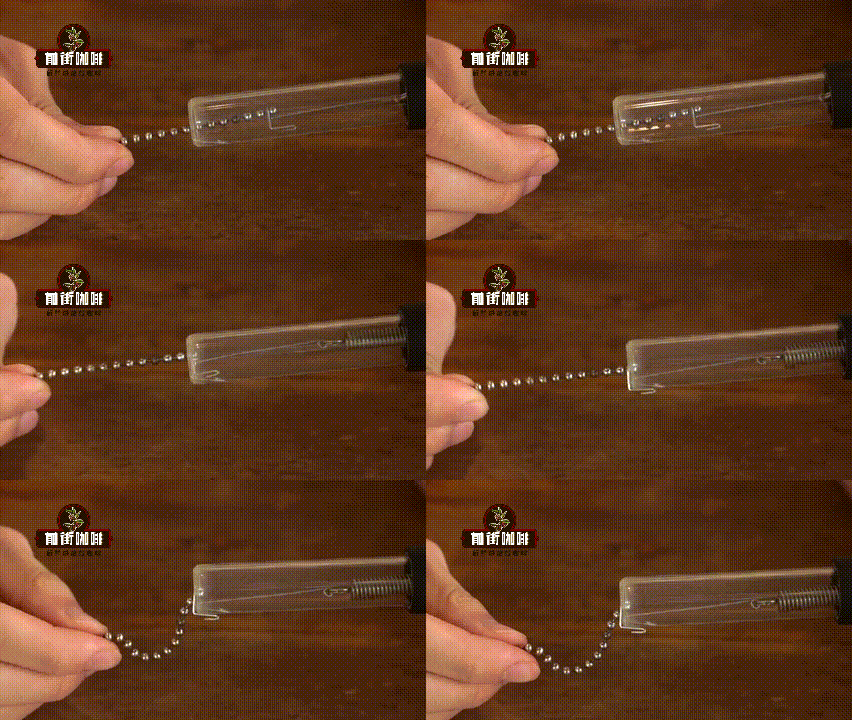

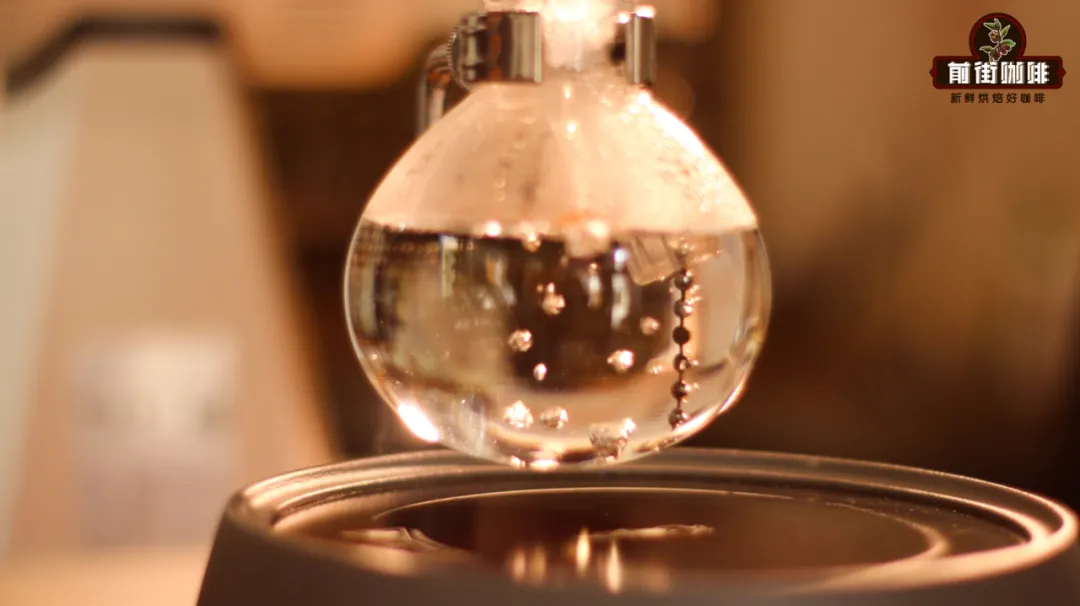
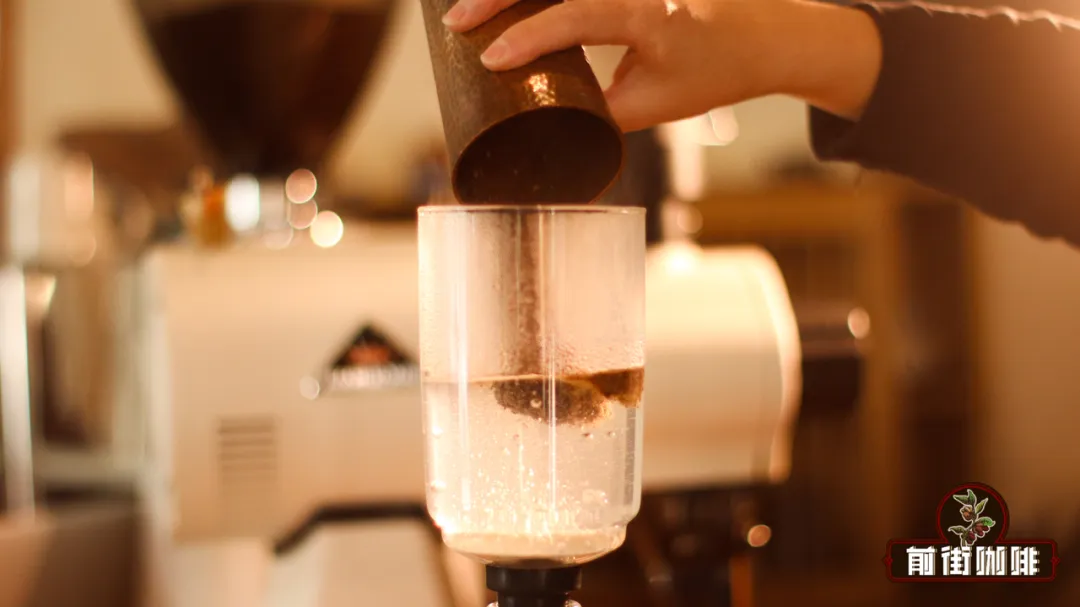


Many people, when using a syphon for the first time, often mistakenly believe that its extraction principle relies entirely on siphoning, but in fact, it is the pressure difference that is the key driving force behind the upward and return flow of water. Additionally, some users overlook the stability of heating in the lower chamber or fail to properly control the heat level, causing the water to boil too quickly, leading to a sudden pressure increase and potentially resulting in the kettle cracking or even exploding. Therefore, before actually operating it, in addition to understanding the scientific principles, one must also have a thorough grasp of details such as heat control, coffee grind size, stirring methods, and timing, in order to safely and smoothly complete the extraction.
In summary, making coffee with a syphon is not just a display of technique, but also an art that combines physics with sensory enjoyment. As long as you master the correct operational procedures and safety guidelines, you can also use a syphon to brew a pot of coffee with clear flavors and a rich mouthfeel, and experience the unique charm of this classic brewing device in every brew.
The above content is compiled by CoffeeHunters, a coffee news website.


