







Introduction:The Red Cherry Project (Operation Cherry Red) is a quality improvement initiative launched in Ethiopia in 2007 by Dutch green coffee trader Trabocca. By purchasing only fully ripe, red coffee cherries at premium prices, the project aims to enhance the income of coffee farmers and improve overall coffee quality. This article takes an in-depth look at how the project operates, the renowned growing regions where it is implemented, and explores the unique flavor profile and brewing suggestions for Ethiopian Yirgacheffe Natural Red Cherry beans.
The Red Cherry Project (Operation Cherry Red) is a coffee quality enhancement program initiated in 2007 by Trabocca, a leading Dutch supplier of green coffee beans. The goal is to offer100% ripe, fully red coffee cherriesat significantly higher prices than the market average, breaking the vicious cycle of careless harvesting driven by low prices that Ethiopian farmers have long endured. This program emphasizes meticulous management and quality orientation, encouraging farmers to harvest only fully mature coffee cherries, thereby elevating the final flavor profile of the beans.
Currently, the project covers multiple regions known for their diverse flavor profiles, includingYirgacheffe, Sidamo, Pungae Forest, and Guji/Lekempti.Red Cherry Project beans are often processed using natural (sun-dried) methods with light roasting,yielding bright acidity and delicate fruity aromas that are highly favored by specialty coffee enthusiasts.
Yirgacheffe is a star growing region within Ethiopia’s coffee map. Its coffee is renowned for its elegant floral notes, bright citrus acidity, and vibrant fruitiness, making it a popular starting point for many specialty coffee beginners. Located in the central part of the East African Rift Valley, it lies within one of the world’s highest-altitude coffee-growing belts,with cultivation typically taking place at elevations between 1,700 and 2,100 meters. This altitude slows down the ripening process of the coffee cherries, allowing more time for flavor compounds to develop.
Yirgacheffe’s geographical environment is unique. Historically home to large wetlands, its soil is rich in phosphorus and organic matter. Coupled with microclimatic variations brought by its complex terrain, the region experiences significant diurnal temperature differences, contributing to the diverse and distinctive coffee profiles found here. Local production is mostly carried out by smallholder farmers using garden-style cultivation, with coffee trees commonly grown around homes, at the edges of farmland, or intercropped with other trees. After harvest, the cherries are processed and exported through cooperatives or centralized processing stations.
In the past, due to persistently low international coffee prices, many farmers prioritized yield over quality just to survive, often disregarding the maturity of the coffee cherries,and harvesting underripe, overripe, or even diseased cherries together. This led to inconsistent coffee quality, which in turn drove purchase prices even lower, creating a vicious cycle. This difficult situation persisted for years until 2007, when Trabocca introduced the Red Cherry Project in an effort to tackle the issue at its source.
At the heart of the Red Cherry Project is an incentive model built on “high prices for high quality.” Every harvest season, Trabocca extends invitations to selected partner farms or cooperatives,asking them to supply small lots of coffee beans weighing between 1,500 and 3,000 kilograms. These beans must be handpicked individually, and100% of them must be fully ripe, red coffee cherries. In return, Trabocca purchases these beans at prices well above the market rate.
To ensure quality, Trabocca has established a rigorous screening process:All coffee beans first undergo preliminary selection in cupping rooms in Ethiopia’s capital, Addis Ababa. Those that pass are then sent to Amsterdam, Netherlands, for a second round of cupping. Only batches that meet the standards in both rounds are finally selected and receive additional bonuses. Moreover, Trabocca actively invests in local processing facilities, providing equipment upgrades, technical training, and necessary financial loans to help farmers improve overall production standards.
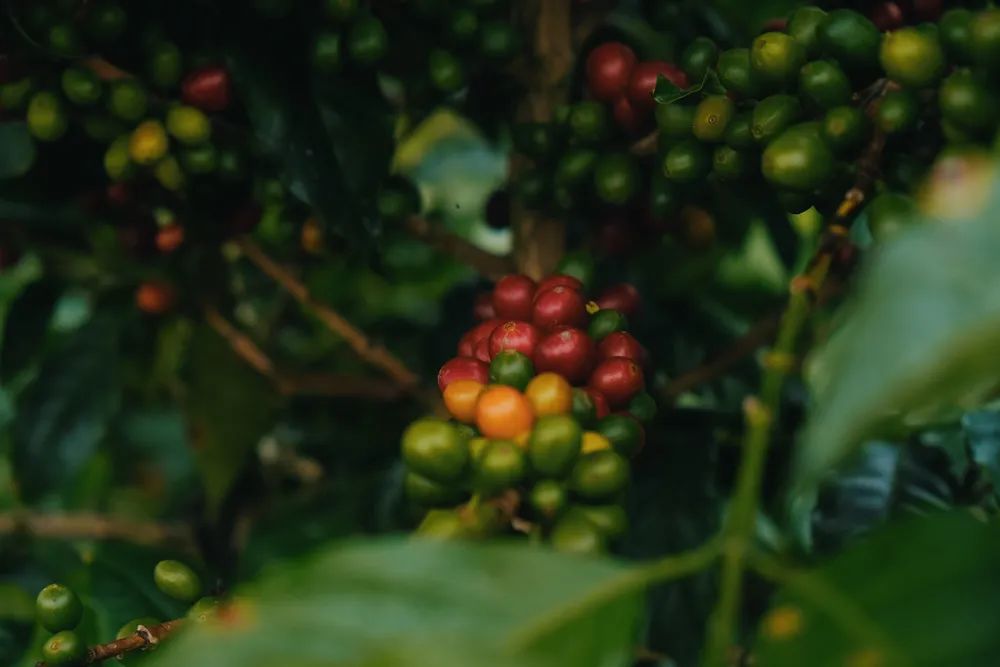
Through the Red Cherry Project, not only have farmers’ incomes increased, but they have also become more conscious about timing their harvests and refining post-harvest processing, resulting in improved overall coffee quality. The project has now successfully expanded to several representative flavor-origin regions, allowing the diversity of Ethiopian coffee to shine on the international stage.
Take the Yirgacheffe region, for example—naturally processed beans under the Red Cherry Project are commonly found in the specialty coffee market.Natural processing helps retain more pulp sugars and fermentation aromas,and when paired with light roasting, it highlights the coffee’s bright acidity and delicate fruity nuances. Many roasters opt for pour over extraction methods, showcasing bright lemon acidity, red berries, and a soft strawberry finish. The flavor layers are distinct and the aftertaste is refreshing, making it ideal for coffee lovers who enjoy pronounced fruitiness and lively acidity.
If you’re drawn to coffees with vivid flavors and clear regional characteristics, the Yirgacheffe Natural Red Cherry beans from the Red Cherry Project offer an excellent entry point to exploring the potential of Ethiopia’s specialty coffee.
The above content is compiled by CoffeeHunters, a coffee news website.


