







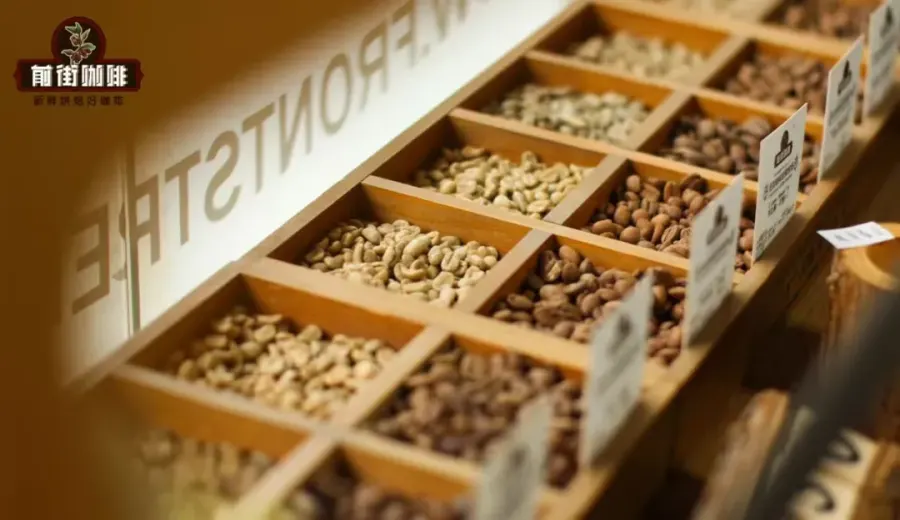
Introduction:Did you know? The unique flavor of a cup of coffee comes not only from the bean variety and origin, but the processing method is also a key contributing factor. From traditional natural (sun-dried) and washed processes to innovative anaerobic fermentation, each technique imparts different layers of aroma and taste. This article takes an in-depth look at the six mainstream global processing methods, contrasts the fundamental differences between natural and washed, breaks down the science behind anaerobic processing, and introduces variations like honey processing—helping you accurately grasp the flavor profile and choose the coffee beans that suit your palate best.
The diverse flavors of coffee owe much of their character not just to variety and origin, but also significantly to the processing method.Natural (sun-dried), washed, honey processing, and even the recently popular anaerobic fermentation—each step quietly rewrites the balance of acidity and sweetness, as well as the aromatic profile in the cup. Back when specialty coffee had not yet swept the globe, the original intent behind processing coffee beans was extremely simple—to dry them quickly for preservation.But today, these techniques have evolved into a refined art of flavor sculpting.
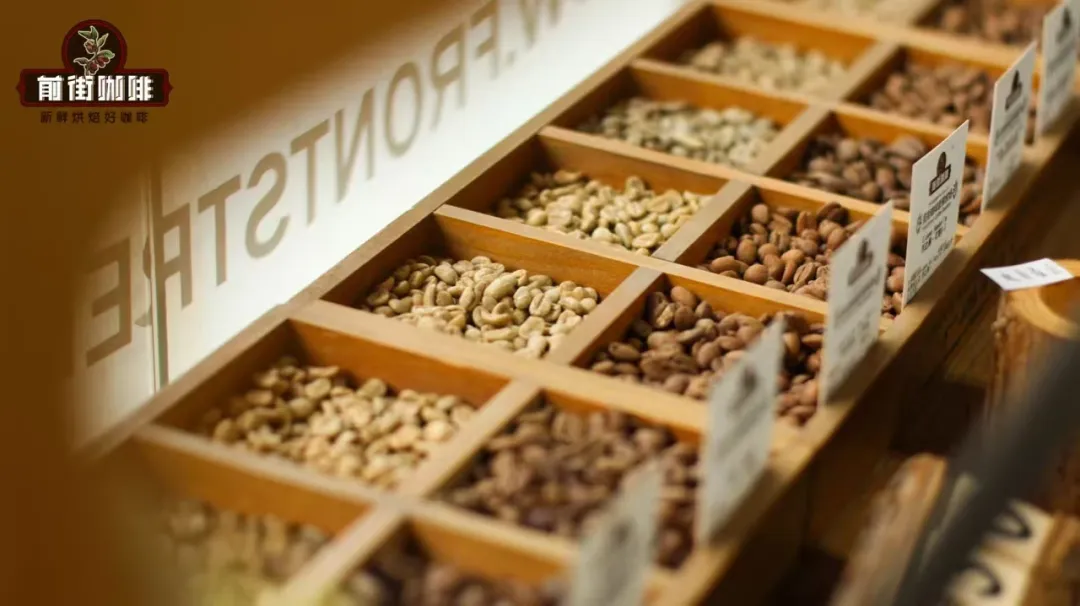
Coffee processing methods around the world are incredibly diverse, with common names like natural, washed, and honey processing alone accounting for more than five types.Differences in temperature control, fermentation duration, and drying methods across various processes—directly lead to wildly divergent coffee flavors. From fruity and bold to clean and bright, from rich and sweet to vibrant acidity, the choice of processing method is indeed the choice of flavor.
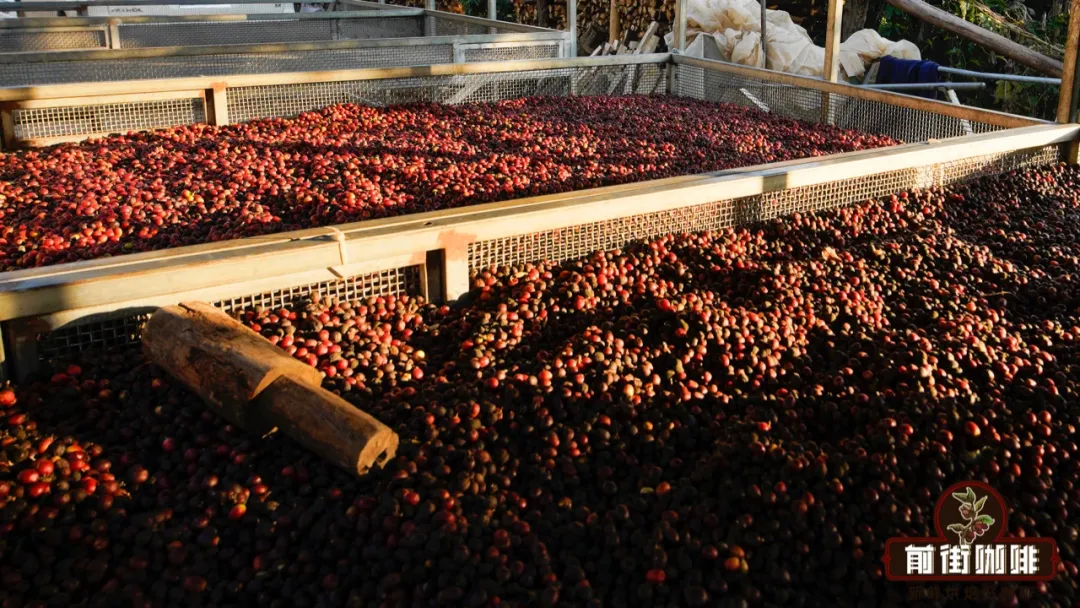
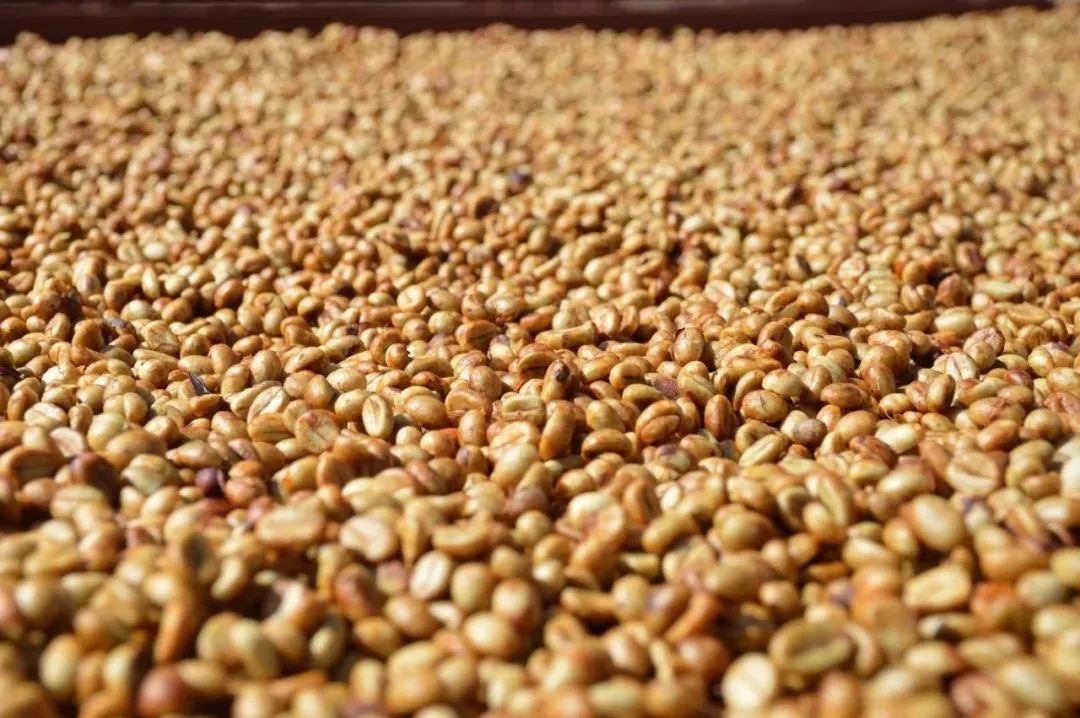
Let’s start with the basics:Natural (Sun-Dried) Processis the oldest technique. After harvesting, the coffee cherries are dried with the fruit still intact, usually taking two to four weeks, during which they need to be turned daily to ensure even drying. The most distinctive feature of this method is that the sugars from the fruit pulp seep into the seeds, giving the coffee intense berry, wine-like notes, and syrupy sweetness.The downside is that the fermentation process is hard to control precisely.If the weather is unstable or the drying is uneven, it can easily result in off-flavors.
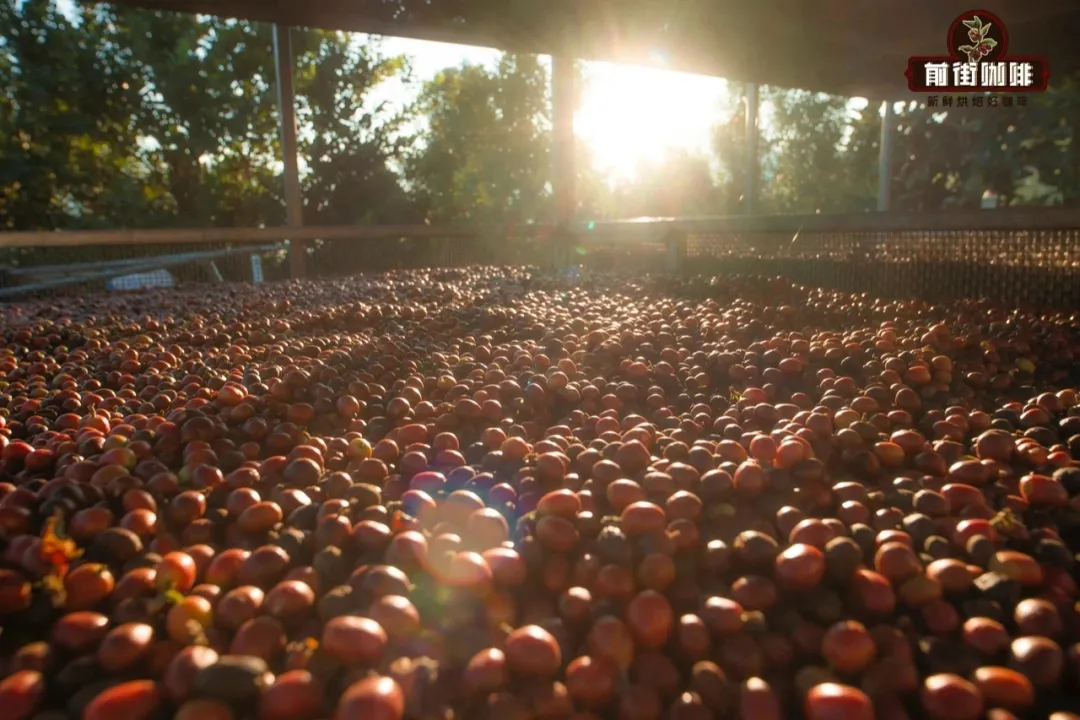
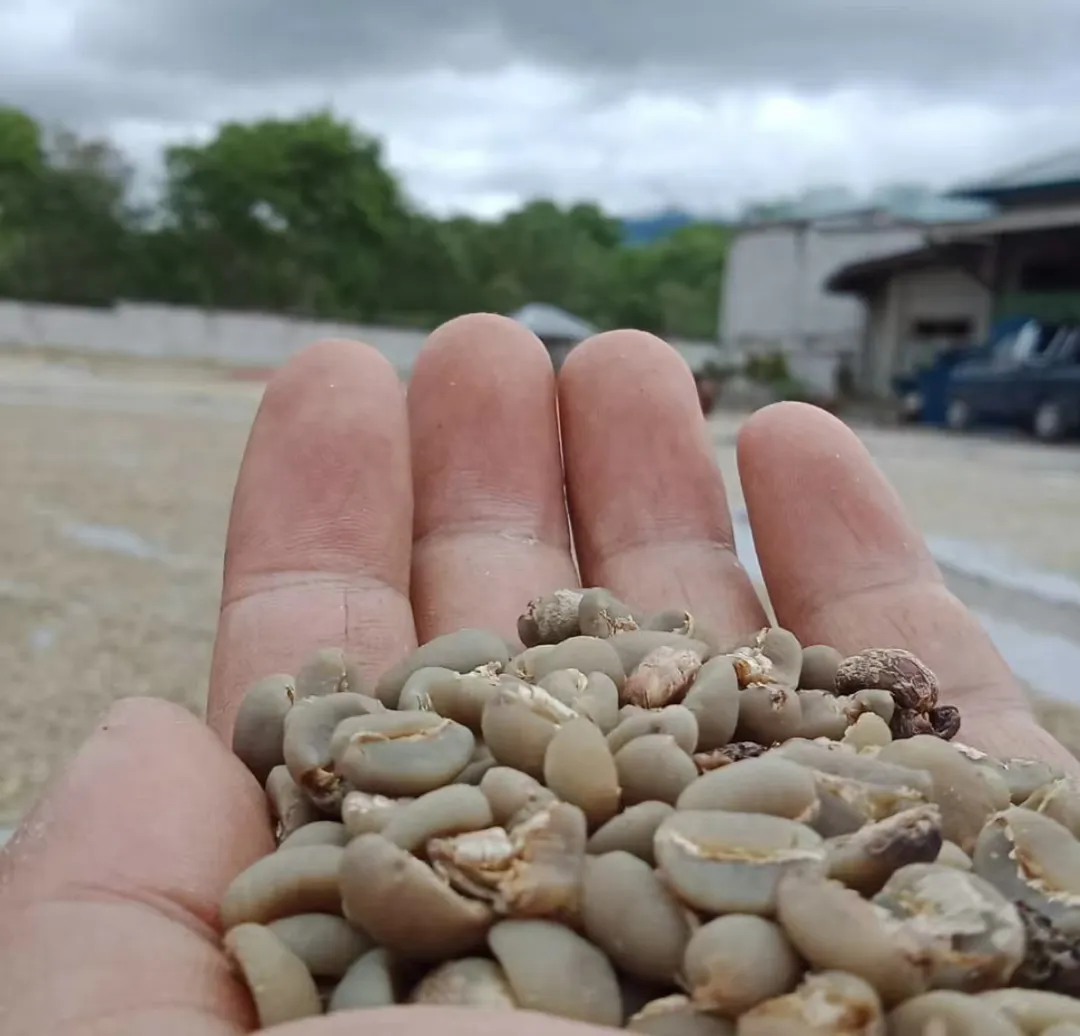
In contrast,Washed (Wet) Processaims for a clean and crisp flavor profile. After harvest, the fruit pulp is first removed, and the beans are soaked in water to ferment for 12–72 hours, breaking down the sticky mucilage layer, then rinsed with clean water and moved to the drying stage. This method highlights the inherent acidity and floral notes of the beans, often resulting in a brighter and clearer taste.But it consumes a lot of water and involves a complex procedure,making it suitable for regions with abundant water sources.
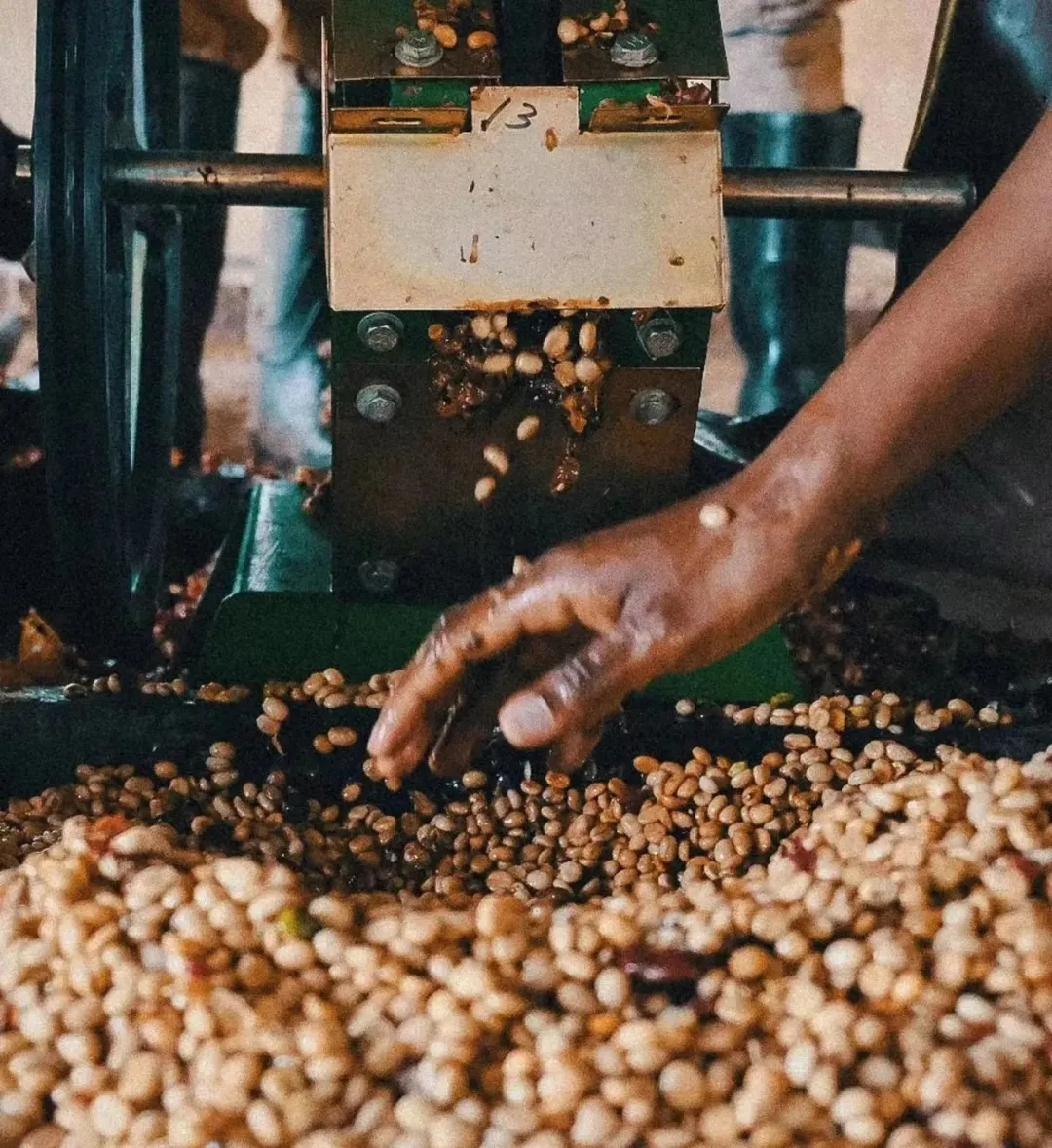
Honey (Pulped Natural) Processis a compromise between natural and washed. After removing part or all of the fruit pulp, varying degrees of the sticky mucilage layer are retained during drying.With its high sugar content, the mucilage undergoes caramelization during drying,imparting a honey-like sweetness and full body to the coffee. Depending on how much mucilage is left, it can be further divided into yellow honey (least), red honey (medium), and black honey (most), with flavors ranging from bright and clean to rich and intense.
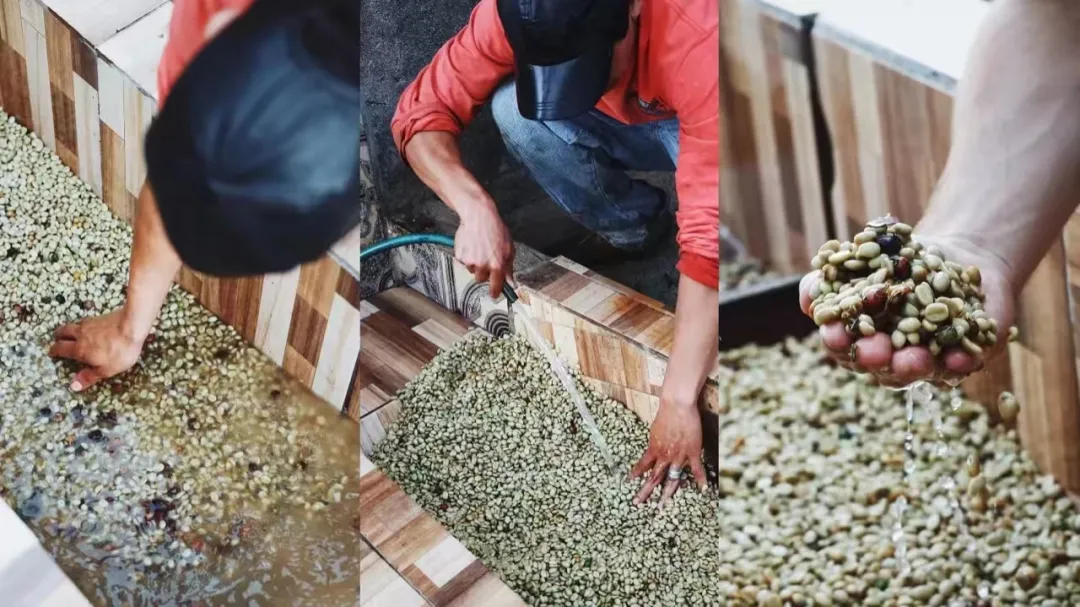
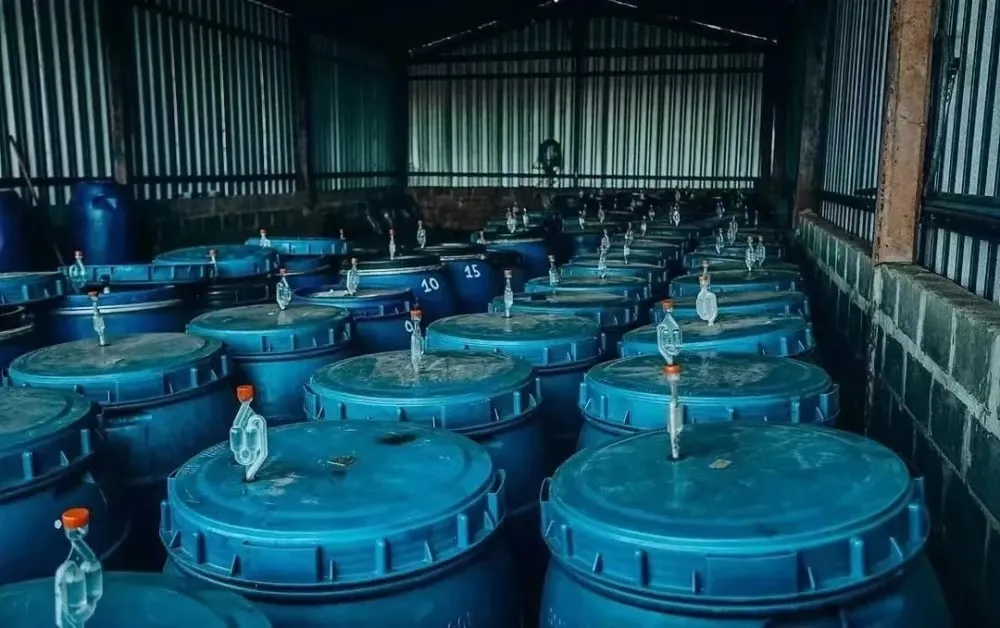
Anaerobic Fermentation Processhas become a major trend in recent years, with its core beingprecise fermentation control in an oxygen-free environment.Coffee cherries or depulped beans are placed in sealed containers, where factors such as temperature, pressure, and time are adjusted to guide specific microbes to produce unique metabolites.Common practices include fermenting single varieties alone or blending with fruits to add special aromas.

The resulting coffee often has complex layers such as tropical fruits, cream, and puff pastry, with soft acidity and long-lasting aftertaste.Beyond the above mainstream techniques, there are several other variations worth exploring:Giling Basah (Wet Hulling)is a method unique to Indonesia, where the outer parchment is removed while the beans are still semi-dry, accelerating the drying process and creating a deep, bold, smoky flavor;Wine Barrel Fermentationinvolves placing post-fermentation coffee beans into whiskey or wine barrels for aging, allowing them to absorb the wood’s aromatic qualities;Enzyme Fermentation

uses externally added enzymes to accelerate certain reactions and enhance specific flavor compounds.Each processing method comes with its own technical challenges and flavor tendencies.The natural process relies on stable sunlight and frequent turning,otherwise mold can easily develop;the washed method emphasizes water quality management and precise control of fermentation time,where even slight deviations can affect cleanliness;anaerobic processing requires professional equipment to monitor gas exchange and microbial activity.
When purchasing, consumers can choose different methods based on personal taste preferences—for those who love explosive fruity notes, black honey or anaerobic might be ideal; for those seeking balance and elegance, washed or yellow honey may be more fitting.Understanding processing methods not only enhances drinking pleasure, but also helps roasters and baristas adjust extraction parameters.Fruity and aromatic coffees benefit from slightly higher brewing temperatures to highlight their bouquet,while those with full body can have their sweetness drawn out by extending extraction time.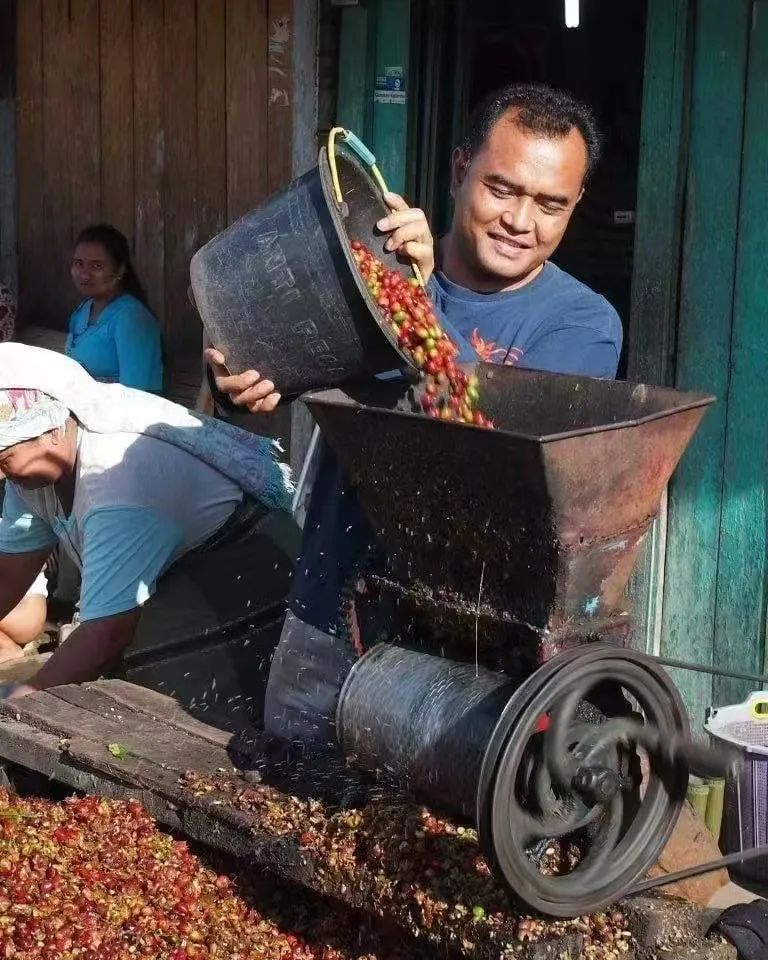 A visual comparison of each process (see
 through)

The above content is compiled by CoffeeHunters, a coffee news website.


