







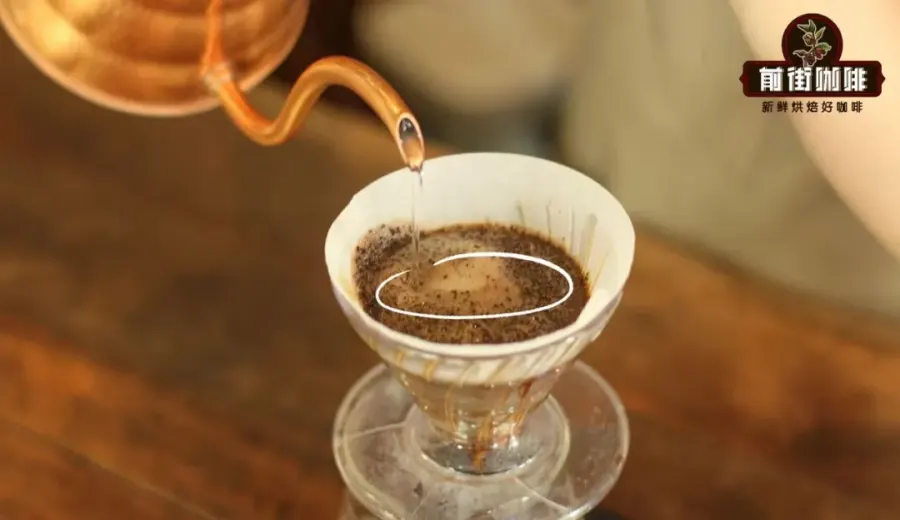
Introduction:One of the charms of pour over coffee lies in the manual pouring details during the brewing process. In particular, the seemingly simple act of circular pouring actually has a profound impact on the final extraction efficiency and flavor profile of the coffee. This article will delve into the principles behind circular pouring, explaining how the water flow path affects the concentration distribution within the filter cone and the release rate of coffee compounds. It also provides practical operation tips to help you scientifically adjust your pouring method and elevate the quality of your pour over coffee.
What makes pour over coffee unique is not only its emphasis on the precision of manual operation, but also the fact that the way water is poured directly influences the extraction results throughout the entire process. Beyond common extraction parameters such as water temperature, grind size, coffee-to-water ratio, and brew time,Water Flow Pathis also a critical factor in determining whether the coffee’s flavor is well-balanced.
Many people unconsciously adopt a circular pouring technique when making pour over coffee. However, this action is actually grounded in scientific principles that enhance extraction efficiency and control flavor release. This article will guide you through why professional pour over brewers prefer circular pouring and how different water flow paths alter the concentration distribution in the filter cone, thereby affecting the coffee’s extraction performance.
The term “pour over” emphasizes the role of the “hand.” Compared to automatic coffee machines or other brewing devices, the most distinctive feature of pour over coffee is its reliance on the brewer’s hands to control each step of the pouring process. This includes the height of the pour, the speed of the water flow, the number of pours, and, of course, the focus of today’s discussion — the choice of pouring path.
Circular pouring, as the most common and fundamental pouring technique, may seem simple, but its influence on coffee flavor goes far beyond what most people imagine. By skillfully circling the pour, hot water can evenly contact the coffee grounds, achieving a more consistent extraction. This uniformity is key to whether a cup of pour over coffee tastes balanced and layered.
So why do we recommend using a circular pouring technique when making pour over coffee? There are mainly two reasons, the first being its close connection withenhancing extraction efficiency. When we pour water in a steady and even circular motion, the coffee grounds in the filter cone can be more comprehensively exposed to the hot water. This helps various soluble substances to be released more efficiently.
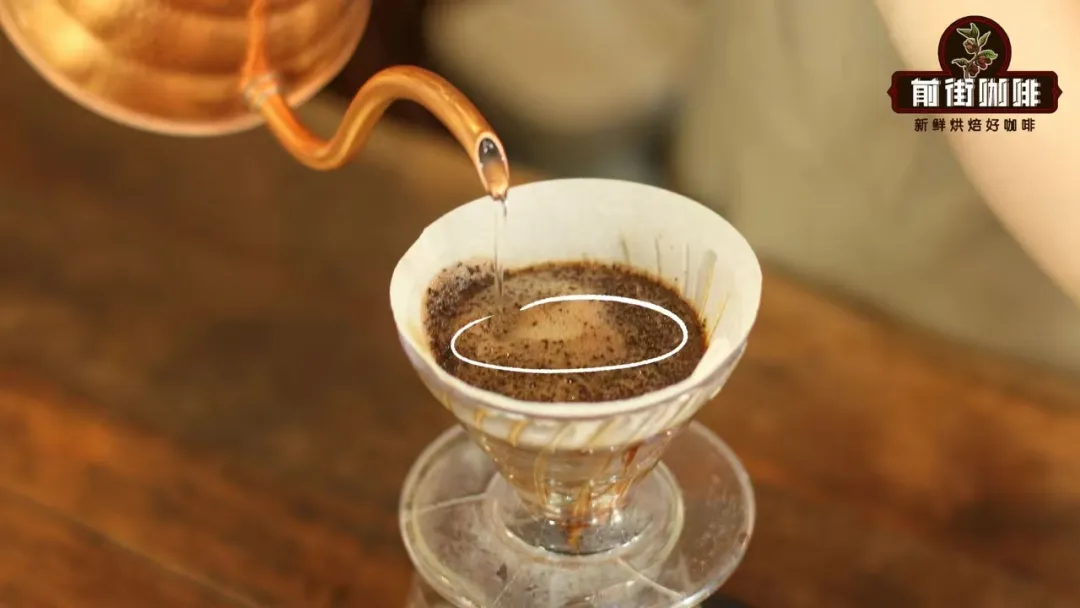
In addition, circular pouring can also affect the concentration distribution inside the filter cone. As the hot water follows a certain path while circling, it helps prevent localized over-extraction or under-extraction, ensuring that each coffee particle has a similar duration and opportunity of water contact. This uniform extraction environment forms an important foundation for crafting a harmonious and well-balanced pour over coffee.
Furthermore, the path of the water flow not only affects the uniformity of concentration, but also influences the release sequence and proportion of different compounds in the coffee. For instance, lighter floral and fruity acids are generally more easily released during the early stages of extraction, while bitter substances tend to be released later. By controlling the direction, speed, and range of the circular pour, you can indirectly adjust the release rhythm of these compounds, thus shaping the desired flavor profile of your coffee.
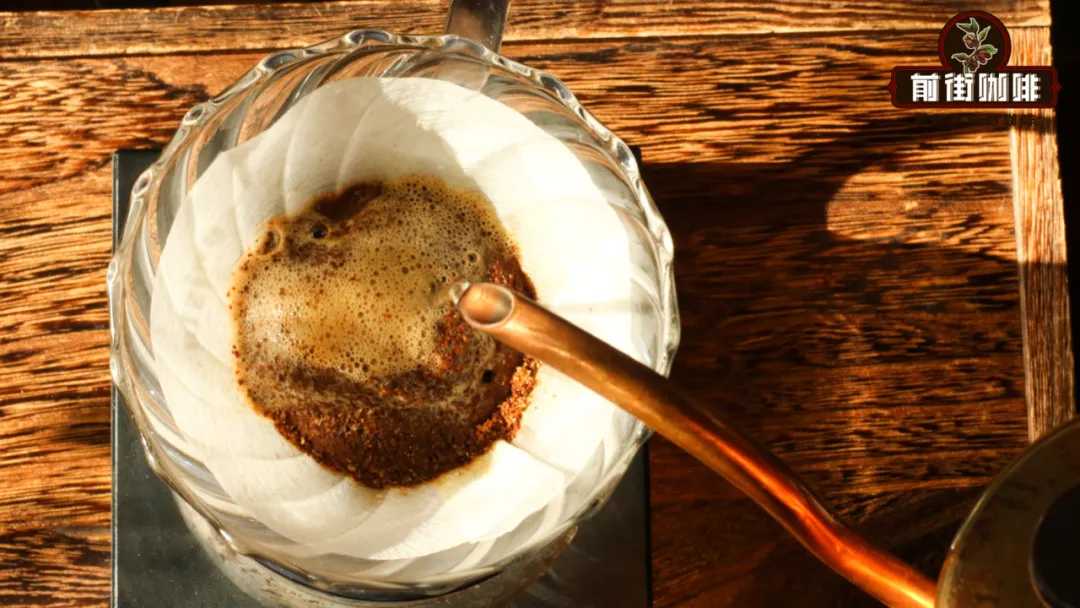
In practice, beginners are advised to start circular pouring from the center of the filter cone, maintaining a steady speed while moving outward, and keeping the water stream evenly distributed. The diameter of the circle should neither be too large nor too small, to avoid neglecting either the edges or the center of the coffee grounds. At the same time, pay attention to the pouring height — pouring too high can make the water flow too intense, while pouring too low may slow down the filtration speed, affecting overall extraction efficiency.

Additionally, some pour over enthusiasts prefer to start by pouring in the center before moving outward in circles, or vice versa. These different pouring path choices can also result in subtle flavor differences. Feel free to experiment with different circular pouring techniques during your daily practice, observe and record their impact on the final coffee taste, and gradually discover the pouring strategy that best suits your personal preference.
In summary, although circular pouring is just a basic action in pour over brewing, the scientific principles and practical techniques behind it are well worth a deeper understanding. Whether you’re a beginner or an experienced coffee enthusiast, mastering this technique can help you more precisely control extraction variables in your daily brewing routine, and ultimately produce high-quality pour over coffee that better matches your personal taste.
The above content is compiled by CoffeeHunters, a coffee news website.


