







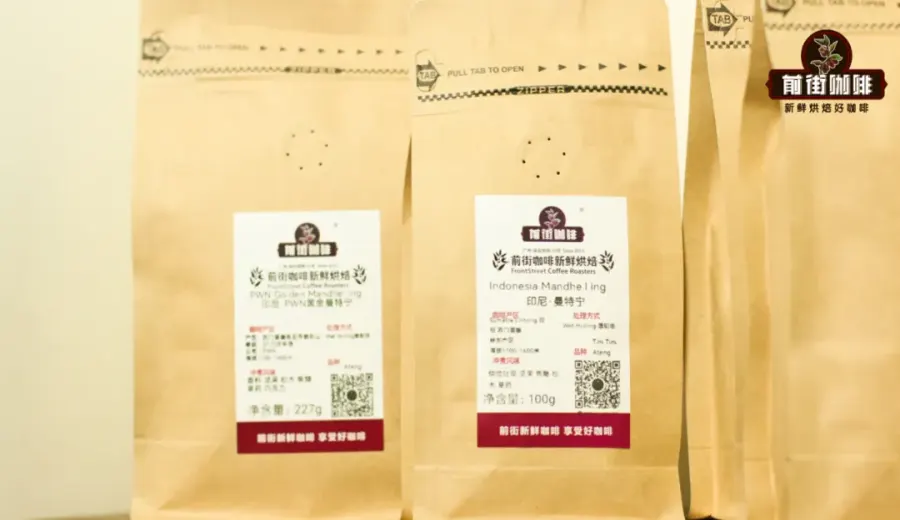
Introduction:Mandheling coffee has carved out a niche in the global specialty coffee market with its bold, full-bodied flavor profile and distinctive herbal character. However, many coffee enthusiasts remain puzzled by the differences between common Mandheling and the premium Golden Mandheling, and are unclear about what the G1 grade truly signifies. This article will delve into the regional flavor characteristics of Mandheling, the criteria behind its grading system, as well as the technical details of optical sorting and manual selection. Through a direct comparison of actual bean varieties, it will also highlight the specific differences between Lintong Mandheling and Golden Mandheling in terms of bean size, cleanliness, and selection processes, helping you find the Mandheling coffee that best suits your taste.
Mandheling coffee is one of the most prominent offerings in the global specialty coffee market, renowned for its rich, robust body and unique herbal and spicy notes. However, many consumers often struggle to clearly distinguish between regular Mandheling and so-called Golden Mandheling when making purchases, and have only a vague understanding of what the G1 grade means. This article will comprehensively break down the core characteristics of Mandheling coffee from the perspectives of regional flavor profiles, grading systems, and green bean selection processes, helping you develop a clearer understanding.
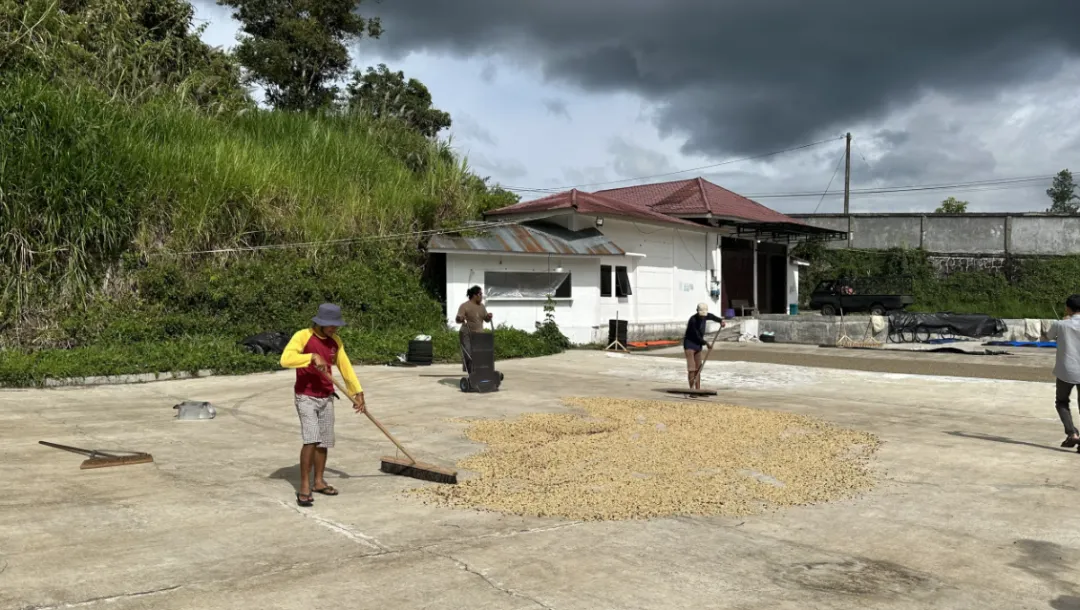
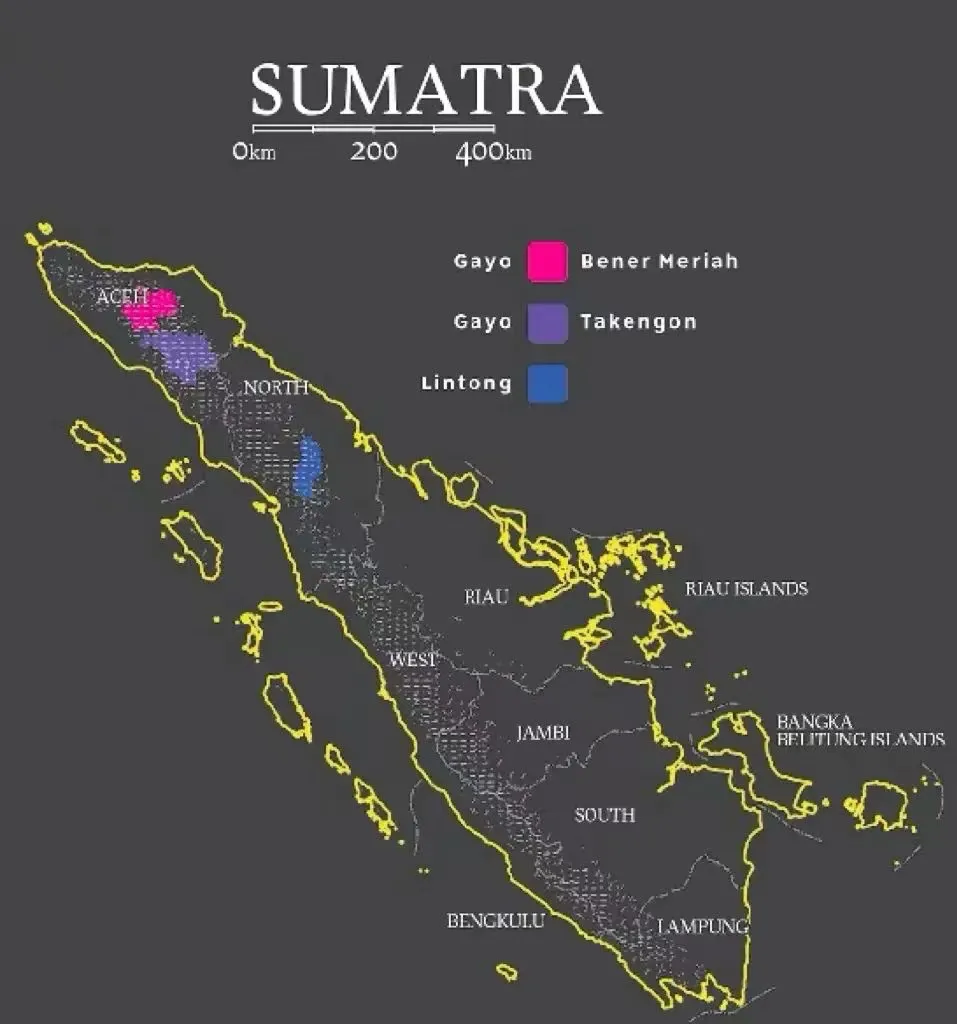
First, to understand why Mandheling has such a distinct personality, one must look at its growing environment. Primarily produced in Indonesia’s Sumatra region, especially in high-altitude areas such as Lintong and Gayo, these regions’ volcanic soils and unique wet-hulling processing method impart to Mandheling its deep, low-toned profile. Common flavor descriptors include dark berries, herbs, smokiness, and a pronounced body.
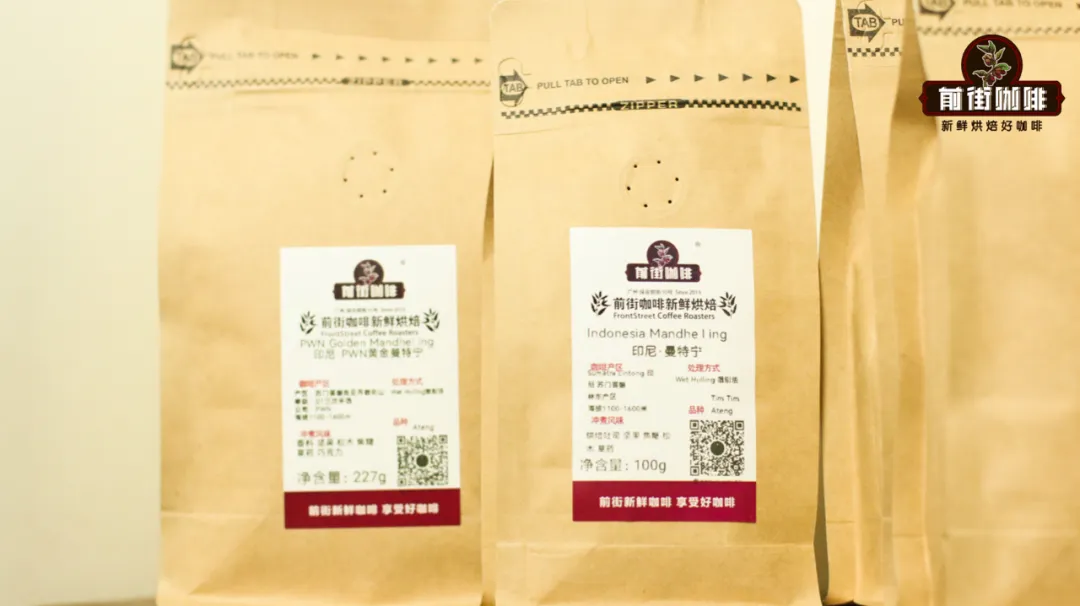
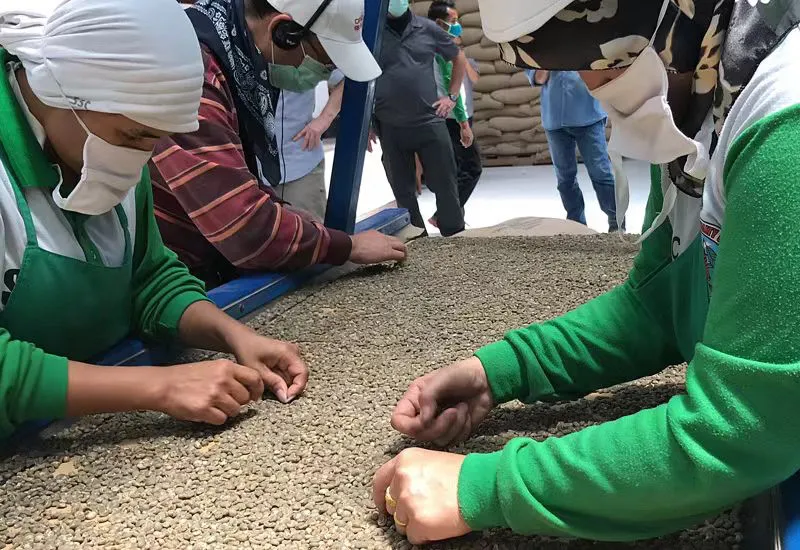
In terms of grading, G1 is the highest grade among Mandheling coffees, indicating that the green beans have met certain quality standards during the selection process. These standards typically include bean size (mostly 18+ mesh), low defect rates, and overall consistency. However, G1 is not the ultimate benchmark—some brands or regions refine their standards even further, for example by adding additional color sorting and hand-picking to achieve higher cleanliness and visual uniformity.
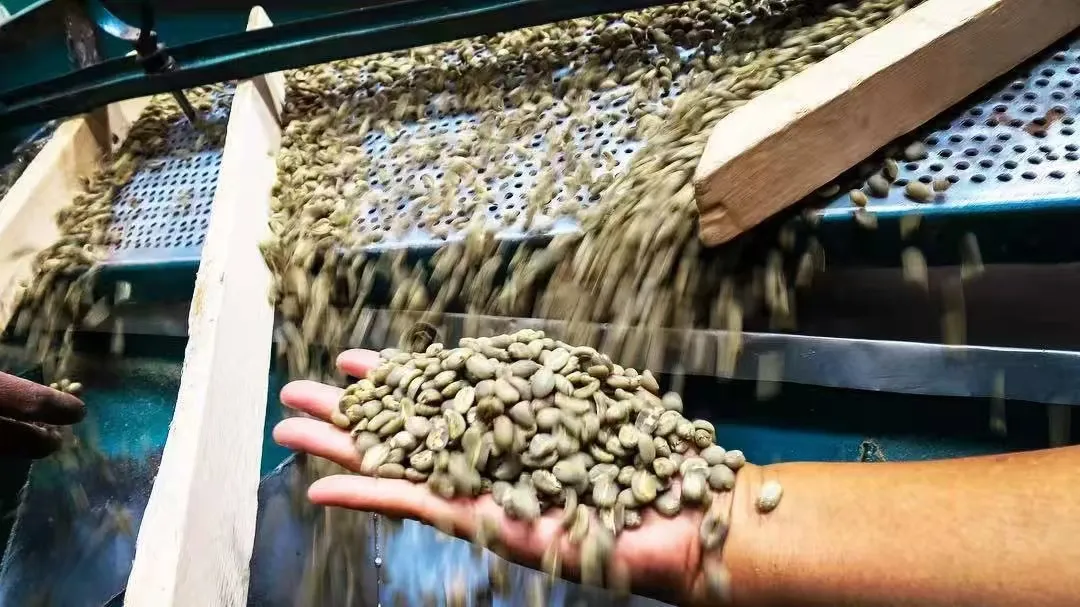
When it comes to Golden Mandheling, although it also falls under the G1 grade, its production standards are even stricter. The PWN company, responsible for producing this bean, is committed to creating top-tier Mandheling, and thus sets more demanding criteria than standard G1. For instance, Golden Mandheling beans must be19 mesh or larger, and before defect sorting, they undergo an additional color sorting process to remove off-colored and inconsistent beans. This step significantly improves the overall visual purity of the beans and their stability during roasting.
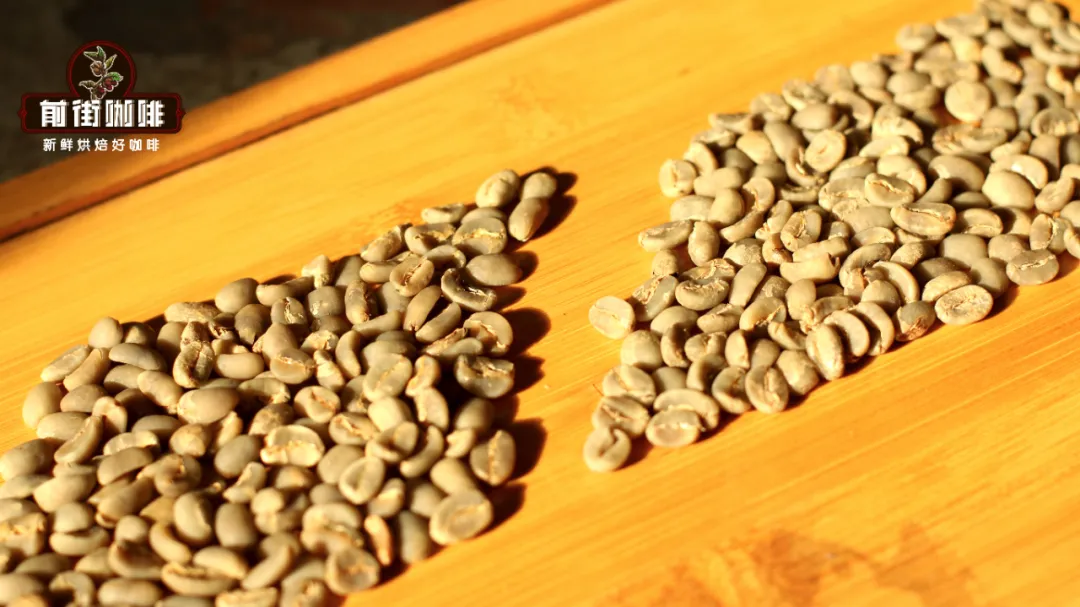
A close look at the raw bean appearance can offer a more intuitive understanding of these differences. As shown in the photo,the left side shows raw Lintong Mandheling beans from a certain brand, while the right side shows the same brand’s Golden Mandheling beans. Although both exhibit the signature oily sheen and density typical of Mandheling, the Golden Mandheling beans are more uniform in size and color, with almost no visibly off-color or defective beans mixed in.
These differences aren’t just aesthetic—they directly impact the brewed result. As an everyday drinking bean, Lintong Mandheling clearly presents the classic flavor profile of the Sumatra region, including a full body, deep spice notes, and a subtle tobacco-like finish, making it ideal for coffee lovers who enjoy bold flavors. Golden Mandheling, on the other hand, enhances cleanliness and layering on this foundation, allowing each sip to reveal more nuanced details, making it especially suitable for brewers who pursue refined flavors.
For home brewers who enjoy pour over or other brewing methods, understanding these differences can also help you adjust grind size and water temperature settings. Generally, it’s recommended to use a medium-coarse grind and a water temperature of 90–93°C for Lintong Mandheling to highlight its full body and spice characteristics; whereas Golden Mandheling, due to its high cleanliness, can be ground slightly finer, with a water temperature of 88–91°C, to bring out more delicate acidity and floral notes.
In summary, the charm of Mandheling coffee lies not only in its rich, robust body but also in the subtle differences brought about by varying grades and selection processes. Whether you prefer the classic, full-bodied Lintong Mandheling or the more refined and cleaner Golden Mandheling, you can find the option that best matches your taste preferences. We hope this analysis helps you make wiser choices when buying and brewing Mandheling.
The above content is compiled by CoffeeHunters, a coffee news website.


