








Introduction:Ethiopia is the genetic cradle of coffee and also the go-to origin for many coffee enthusiasts just starting out. Among them, Geisha, Yirgacheffe, and Huila Huwaei are hailed as the "Three Star Coffees of Ethiopia." These three beans are not only widely renowned but also each represent distinct regional characteristics, varietal heritage, and flavor profiles. This article will delve into their origins, varietal features, and brewing recommendations to help you better understand how to choose and appreciate these classic beans.
Ethiopia is not just the birthplace of coffee, but also a major origin of specialty coffee worldwide. Blessed with a unique geographical environment and a rich coffee genetic pool, the coffees produced here are often celebrated for their bright acidity, complex floral and fruity aromas, and distinctive terroir characteristics. Among the many regions and varieties, Geisha (Gesha), Yirgacheffe, and Huila Huwaei are known as the "Three Star Coffees of Ethiopia," each holding an irreplaceable status and a unique flavor story.
Yirgacheffe: Refreshing Flavors, the Washed Process Flagbearer
When it comes to Ethiopian coffee, Yirgacheffe is the first name that comes to mind for most people. However, Yirgacheffe is actually a region, not a coffee variety. Located on the eastern side of the East African Rift Valley, Yirgacheffe sits at an altitude of about 1700 to 2100 meters in a highland area with cool and foggy weather, spring-like all year round—ideal conditions for coffee cultivation.

Before specialty coffee became widespread, many coffees were named after their place of origin, and Yirgacheffe is one of the most iconic examples. Prior to 1995, this region was part of the Sidamo province, but due to its unique geography and flavor profile, it gradually separated from Sidamo to become the Yirgacheffe region we know today. The washed processing method here is particularly refined, giving rise to the distinctive "Yirgacheffe flavor": bright floral notes, citrus acidity, paired with a refreshing green tea or lemony finish that leaves a lasting impression.
If you want to experience the classic Yirgacheffe flavor, try the region’s washed beans—renowned batches such as Guji Dingding are classic examples that showcase the region’s unique characteristics.
Geisha: A Legendary Variety That Went Global from Panama
Geisha (also spelled Gesha) is the dream variety for coffee lovers around the world, known for its slender bean shape and explosive layers of aroma. Although Geisha shot to fame in 2004 through the Best of Panama (BOP) competition hosted by Panama’s Hacienda La Esmeralda, its roots can actually be traced back to Ethiopia’s Gesha Mountains. In the 1930s, the British collected disease-resistant varieties in the region to combat coffee leaf rust, and among them was what would later become the Geisha variety, identified as Geisha T2722.
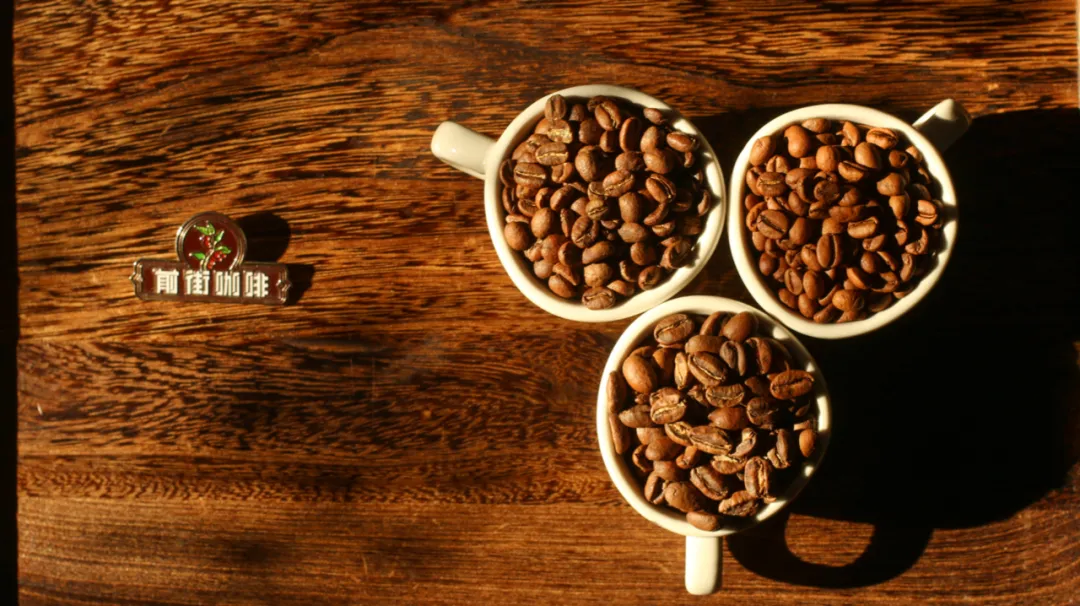
Today, the term Geisha generally refers to Panama’s Geisha T2722, which features pronounced citrus acidity, clean floral notes, and multi-layered tropical fruit aromas. But in Ethiopia, there are also native varieties grown in the Gesha Mountains that are also called Geisha. For example, the Gori Geisha and Geisha 1931 from the Gesha Village Estate are two of the most representative Ethiopian Geisha varieties.
The natural-processed version of Gori Geisha often has an intense juice-like character, with flavors dominated by citrus, pineapple, and mango, showcasing the rich terroir of its Ethiopian origin. Geisha 1931, on the other hand, has a flavor profile closer to the Panamanian version, often featuring delicate chamomile, berry, and honeydew notes, with a soft tea-like finish. Variations in processing methods and micro-regions make Geisha an incredibly intriguing variety to explore.
Huila Huwaei: Ethiopian Native Charm Behind a Champion’s Glow
Huila Huwaei may sound like the title of a Japanese geisha, but it’s actually a naturally processed coffee bean from Ethiopia’s Hambela region. In 2017, this bean won the COE (Cup of Excellence) championship and was subsequently introduced to China by domestic traders, who named it “Huila Huwaei,” symbolizing its “foremost among flowers” excellence. Due to its similarity in naming to the Taiwanese translation of Geisha—“Geisha” (artist)—many consumers once mistook Huila Huwaei for Geisha, but the two are entirely different.
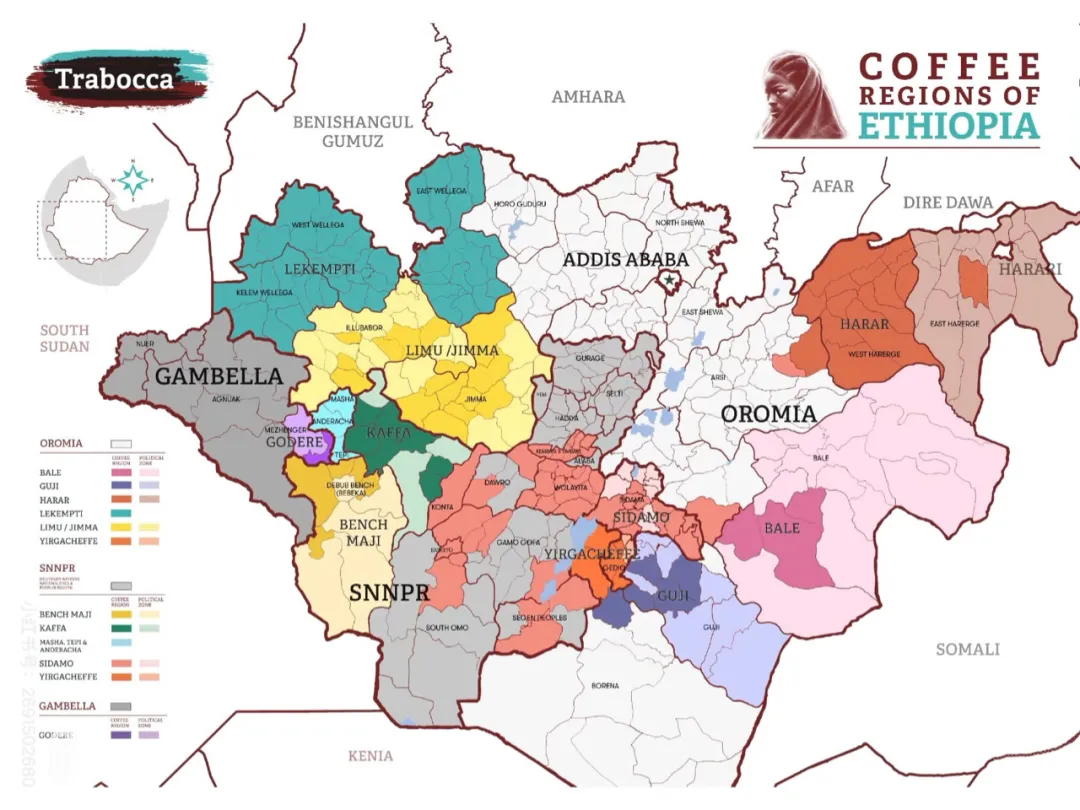
Huila Huwaei is made from native varieties of the Hambela region and is one of the representatives of Ethiopia’s coffee genetic diversity. The original Huila Huwaei impressed judges with its rich strawberry cream aroma, and subsequent versions have continued to evolve—such as Huila Huwaei 2.0, 3.0, and 4.0—each bringing new surprises every year. New-season Huila Huwaei often showcases sweet flavors like guava, citrus, and melon, along with distinct rose floral notes, resulting in a richly sweet overall profile that’s perfect for coffee lovers who enjoy a blend of fruity and floral notes.
What’s the Difference Between the Three Star Coffees? Let’s Break It Down
In summary, although Geisha, Yirgacheffe, and Huila Huwaei all come from Ethiopia, they each carry different meanings, regional backgrounds, and flavor characteristics:
- Yirgacheffe Is a region name, famous for its washed process, with refreshing flavors marked by distinct citrus acidity and floral notes—it’s the classic starting point for beginners exploring Ethiopian coffee.
- Geisha Is a variety name, originating in Ethiopia but made famous by Panama’s Geisha T2722, known for its extreme floral and fruity explosiveness. Ethiopia also has native Geisha varieties such as Gori Geisha and Geisha 1931.
- Huila Huwaei Is a commercial name, derived from native varieties of the Hambela region, excelling in natural processing with rich and varied flavors—from strawberry cream to rose guava, offering something new every year.
These three coffee beans are not only great for everyday drinking but also key to deeply understanding the diversity of Ethiopian coffee. Whether you’re just starting out or already a coffee connoisseur, you can find your own favorite among these Three Star Coffees.
The above content is compiled by CoffeeHunters, a coffee news website.


