








Introduction:Have you ever wondered why some coffees leave a lingering aroma even after you’ve swallowed? This article delves into the science behind coffee aftertaste, breaking down the key factors—from bean quality and roast level to brewing techniques—that influence its lingering sweetness. Not only does it explore the scientific mechanisms, but it also offers practical tips to help you enhance the finish of every sip by adjusting your pour over parameters.
That subtle scent and layered taste that lingers on your lips and tongue after a sip of coffee is what we commonly refer to as "aftertaste." It’s not just the final note in the drinking experience, but also a crucial indicator of a coffee’s overall performance. Starting with how aftertaste is formed, this article provides a comprehensive analysis of how coffee bean essence, roast level, and extraction techniques affect the sweetness in the finish, along with practical advice to help you better understand the origin of a good coffee’s after-flavor.
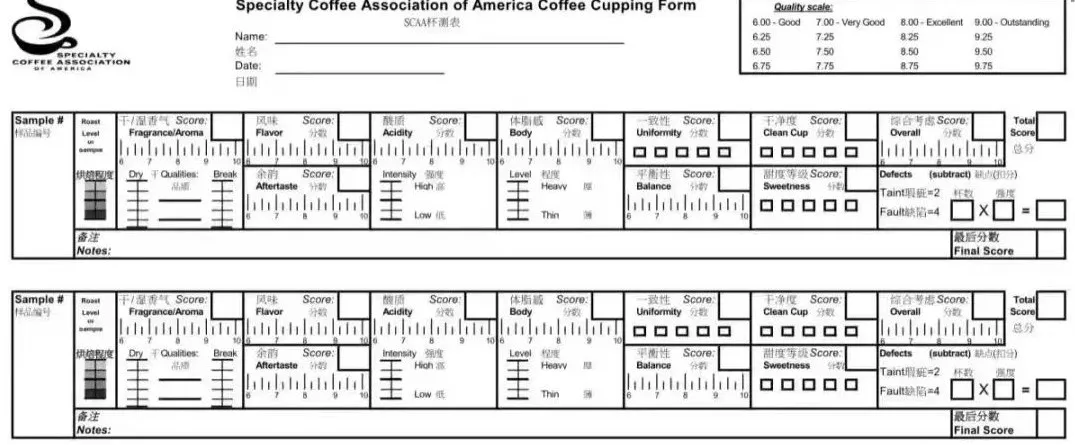
When studying The Way of Coffee, a certain coffee brand paid special attention to Mr. Mitsuaki Morimoto’s explanation of aftertaste, or "aftertaste" in English. Simply put, aftertaste refers to the aroma and flavor that continue in the mouth after swallowing the coffee. This experience is often encountered in the final stages of the cupping process, encompassing the overall sensory experience from smell to taste, and is therefore considered one of the key elements in assessing coffee quality.

The formation of aftertaste originates from the small amount of coffee liquid and oils that remain in the mouth after swallowing. These liquids are rich in various compounds, including oil-soluble aromatic substances and the chemical components that make up basic tastes like sourness, sweetness, and bitterness. As saliva is secreted, these substances are slowly released—some evaporating into the nasal cavity, others captured by the taste buds—creating what we call "lingering sweetness" or "finish."
It’s worth noting that not every cup of coffee presents a clear aftertaste. This is closely related to the concentration of aroma and flavor. Only when these compounds reach a certain threshold can they be detected by human senses. Numerous factors influence this concentration, including the inherent quality of the coffee beans, the depth of roast, and even the final extraction method and efficiency.
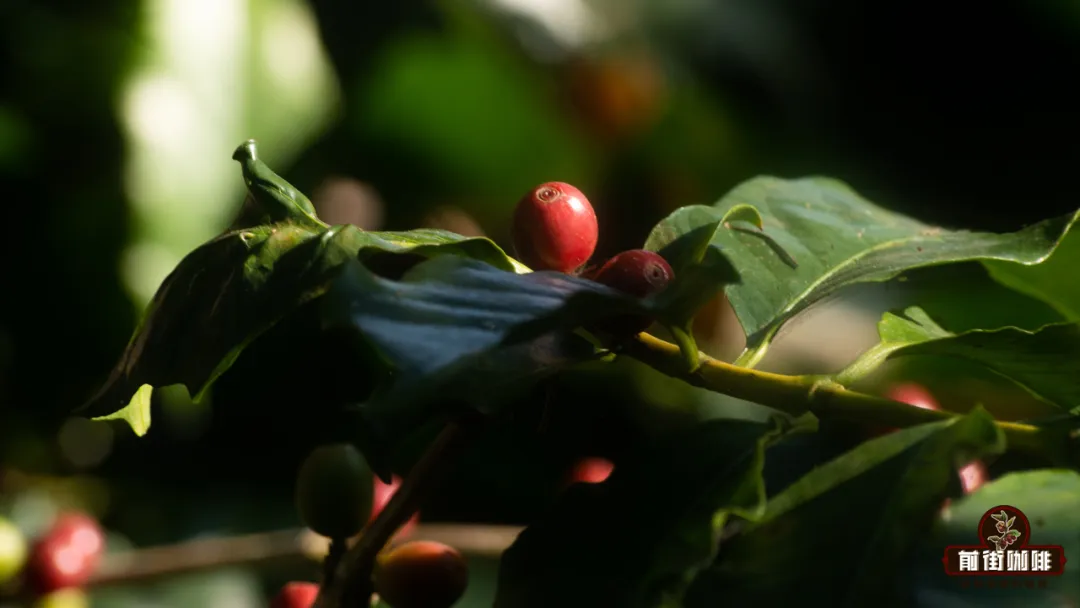
As the starting point of everything, the quality of coffee beans directly relates to the potential of its aftertaste. High-quality coffee beans accumulate more abundant nutrients and flavor precursors during their growth, allowing them to transform into a more diverse range of aromatic compounds during roasting. In other words, if the beans themselves are rich in material foundation, not only will their flavor profile be complex, but their aftertaste is also more likely to be long-lasting and distinctive. Therefore, the quality of aftertaste is often used as a reference for evaluating bean quality.
As for roast level, it has a significant impact on the duration of aftertaste. According to molecular weight theory, smaller aromatic molecules are more volatile and easier to extract, typically bringing a fresh top-note sensation; whereas larger molecules volatilize more slowly and linger longer. Dark roast coffee, due to its longer roasting time and higher temperature, tends to produce more large-molecule compounds, resulting in a more enduring aftertaste. If you find that a coffee’s sweetness fades quickly or is almost nonexistent, it could be due to under-extraction, or possibly inadequate roast development.
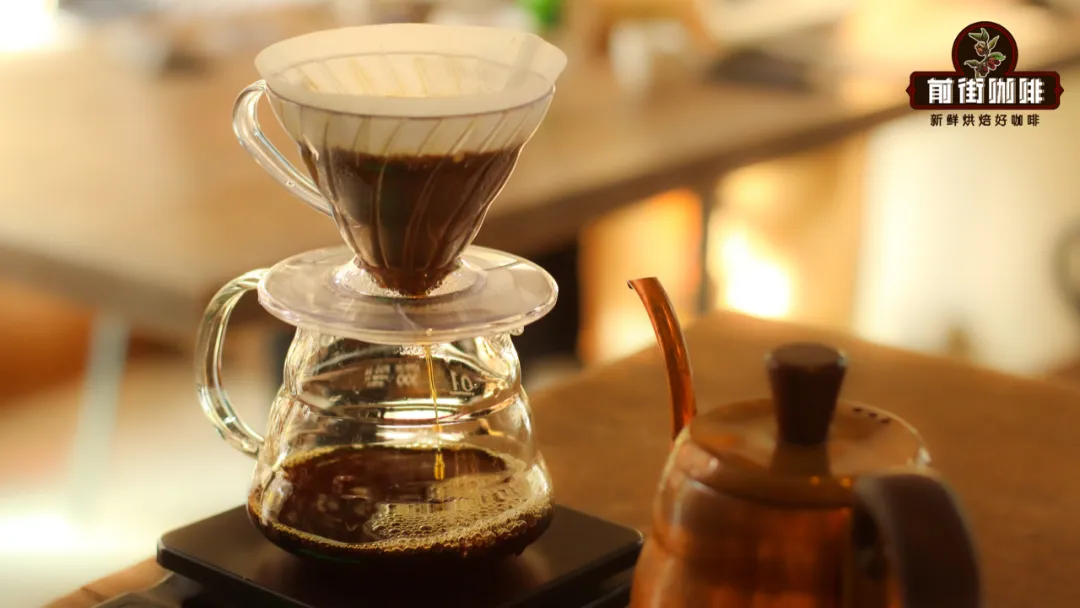
As consumers, although we can’t change the origin of the beans or the roasting method, there’s still much we can do during the extraction phase. Extraction not only affects the coffee’s concentration, but also directly determines how many of the "good substances" are released. On the basis of a fixed concentration, increasing the extraction yield while moderately retaining oils can effectively enhance the performance of aftertaste. This means that during brewing, you should aim to extract as many beneficial components from the coffee as possible, while avoiding the bitter and astringent off-flavors caused by over-extraction.
To achieve the ideal aftertaste effect, the key lies in balance. It is recommended that during pour over, you fine-tune water temperature, coffee-to-water ratio, and brew time based on the roast level and grind size of the beans used. For example, medium-light roast beans can use a slightly higher water temperature (around 92–94°C), paired with a fine grind and moderate pressure, which helps release delicate aromas and complex layers; while dark roast beans are better suited to a slightly lower water temperature (around 88–90°C) to avoid excessive extraction that can lead to a harsh taste, while preserving a rich and mellow finish.
In summary, the aftertaste of coffee is not just an extension of flavor, but also a microcosm of overall quality. From bean selection and roasting to extraction, every step plays a pivotal role in the final lingering sweetness presented. By mastering these principles and techniques, you’ll be able to confidently handle various brewing scenarios and brew coffee experiences rich in layers and aesthetic aftertaste.
The above content is compiled by CoffeeHunters, a coffee news website.


