








Introduction:On hot summer days, iced pour-over coffee has become the go-to choice for many coffee enthusiasts, but its brewing parameters differ significantly from those of hot pour-over. This article delves into the differences between iced and hot pour-over in key elements such as grind size, water temperature, and brew ratio, and provides practical adjustment tips. Learn how to avoid flavor dilution caused by melting ice and brew a rich, layered iced pour-over coffee.
The high temperatures of summer lead to a surge in demand for iced coffee, especially iced pour-over, which offers a wide selection of coffee bean varieties and has become a favorite among many customers. However, many people attempting to make it at home often encounter issues such as weak flavor and indistinct taste. In fact, although iced pour-over is based on the foundational framework of hot pour-over, the addition of ice for cooling requires specific adjustments to brewing parameters to maintain optimal extraction and flavor expression.
First, iced pour-over can be seen as an extended variation of hot pour-over. In hot pour-over, we control factors such as grind size, water temperature, brew ratio, brew time, and equipment to extract coffee with ideal flavors. Iced pour-over builds on this foundation by adding ice, using the cooling effect of the ice to rapidly lower the temperature of the coffee. However,the melting of ice will dilute the coffee liquid, and if not adjusted accordingly, it can easily result in an overly light extraction that loses its intended depth and intensity.
<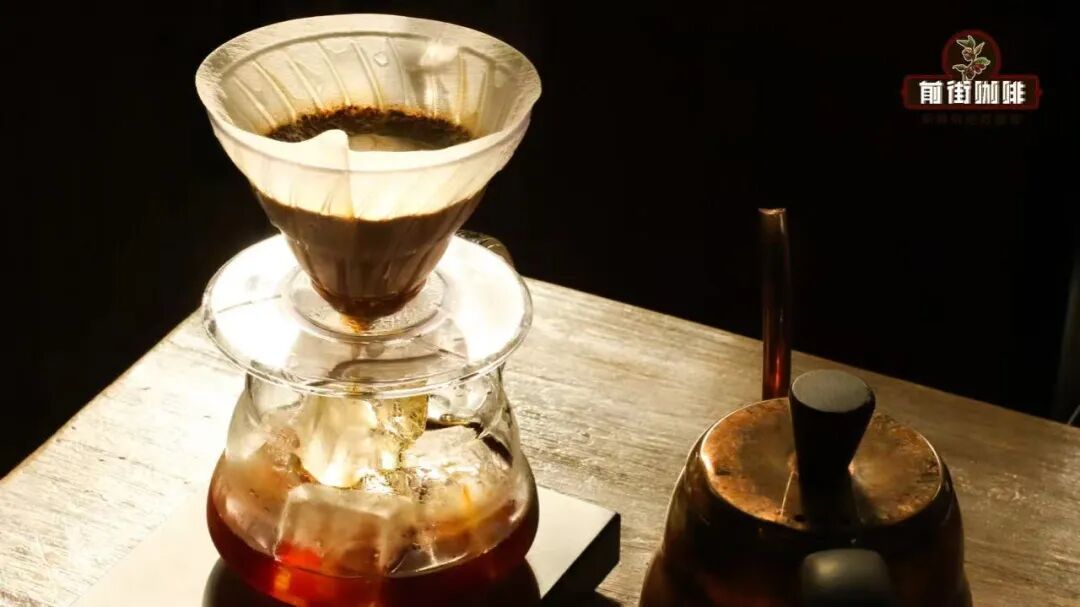 >
To overcome the issue of dilution from melting ice, the most direct method is toincrease the overall concentration of the coffee—that is, to reduce the amount of water poured. Keeping other conditions unchanged, appropriately lowering the total water volume can effectively enhance the concentration of the coffee liquid, making the final flavor more concentrated. Therefore, iced pour-over typically uses a smaller brew ratio than hot pour-over, which is one of the key factors affecting the overall extraction performance.
However, adjusting the water volume alone is not enough to ensure extraction quality. A good cup of coffee not only requires the right concentration, but also a balanced extraction yield—the percentage of soluble compounds successfully drawn from the coffee grounds. The level of extraction yield directly impacts the balance of a coffee’s acidity, sweetness, and bitterness: under-extraction often leads to sharp acidity, while over-extraction may bring out noticeable bitterness and off-flavors. Therefore, to create a flavorful and rich iced pour-over, in addition to managing water volume, it's essential to simultaneously adjust grind size and pouring technique to ensure proper extraction yield.
Specifically, it is recommended to usea finer grind sizeto increase the contact area between coffee grounds and water, which helps improve extraction efficiency. At the same time, modifying the pouring method—such as using a segmented pour or a slow circular pour—can effectively extend the contact time between water and coffee grounds, further promoting the release of flavor compounds. Even with reduced total water volume, these adjustments can help achieve the desired extraction results.
< >
Below, we share practical steps on how to easily brew a full-flavored iced pour-over through three key adjustments—brew ratio, grind size, and pouring technique. However, it’s worth noting that this direct ice-cooling brewing method is better suited for coffee beans with bold, complex flavors. For beans with lighter, more delicate profiles, their optimal characteristics may not be fully expressed.
Recommended beans to try include those with distinct flavor profiles, such as Sidamo, Hua Kui, Golden Mandheling, or Strawberry Candy. Taking Sidamo as an example, use 15 grams of coffee grounds, set the brew ratio at 1:10 (compared to 1:15 for hot pour-over), and add about 120 grams of ice. The grind size should be similar to 9 on the Ek43 grinder—or the fine sugar grind level with 80% passing rate through a #20 sieve (finer than the 9.5 on the Ek43 and 75% passing rate used for hot pour-over). Water temperature should be controlled at 92°C, using a V60 dripper.
< >
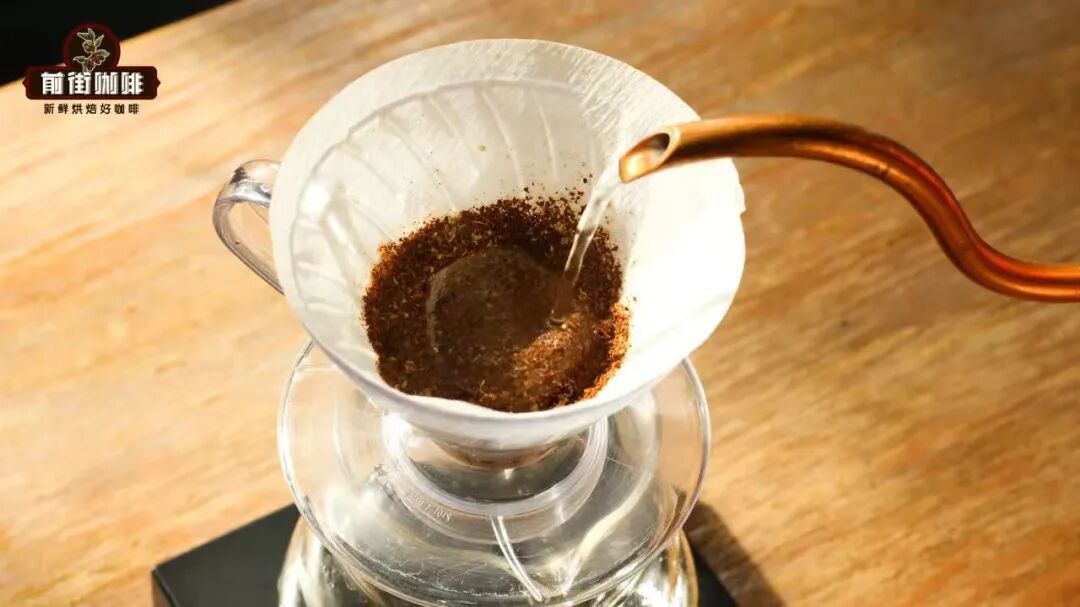
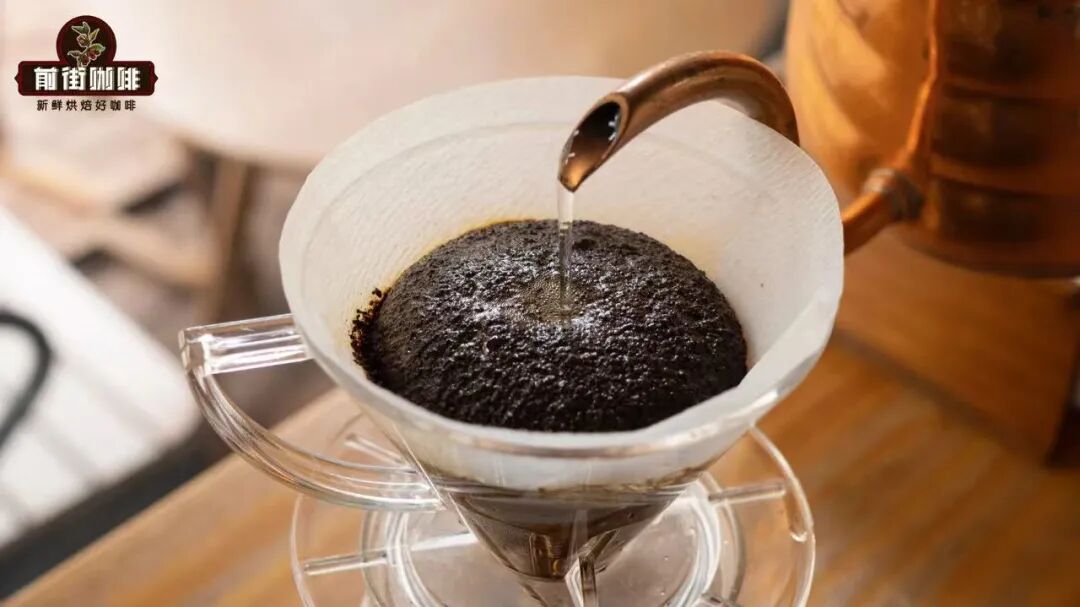
For the brewing process, start by pouring 30 milliliters of hot water for a 30-second bloom to help degas and preheat the coffee bed, aiding subsequent flavor release. After blooming, pour the remaining hot water in three segments or using a single continuous pour, ideally with a slow, small-circle motion. Wait for the liquid in the dripper to completely drain after each pour before proceeding to the next, which helps extend the overall brew time and improves extraction evenness. Total brew time is around 2 minutes—similar to hot pour-over. Once done, gently swirl to mix and enjoy. The flavor typically features a pronounced grape juice-like note, accompanied by passion fruit, apricot, and floral aromas, with a refreshing mouthfeel and rich aroma.
< >
If brewing dark roast beans, it’s recommended to follow the same method but make slight adjustments to grind size and water temperature: still use 15 grams of coffee, maintain a 1:10 brew ratio, reduce ice to about 75 grams, adjust grind size to 10 on the Ek43 or 80% passing rate through a #20 sieve, lower water temperature to 90°C, and consider using a Kono dripper to suit the characteristics of dark roasts and stabilize extraction performance.
< >
In summary, although iced and hot pour-over share the same fundamental principles, the characteristics of ice cooling require more precise adjustments in brew ratio, grind coarseness, water temperature control, and pouring technique. Mastering these key parameters not only prevents flavor loss due to ice dilution, but also highlights the coffee’s inherent layers and fruity notes, allowing you to enjoy a rich and balanced iced coffee.
< >


The above content is compiled by CoffeeHunters, a coffee news website.


