








Introduction:Want to enhance the flavor complexity of your pour over coffee? This Lily drip filter accessory, inspired by glass marbles, when used with a conical dripper and cake filters, may deliver unexpectedly great extraction results. This article uses Yirgacheffe Guddina as an example to detail a three-stage pouring method under 15g coffee dose, 1:15 brew ratio, and 92°C water temperature, analyzes filter compatibility details, and shares practical tips to improve extraction evenness.
The charm of pour over coffee lies not only in its diverse flavors but also in achieving breakthrough taste profiles through subtle adjustments. This article focuses on an innovative little tool — the Lily drip (利利珠). Its creation stems from a fun accident: when a glass marble was placed inside a conical dripper, it unexpectedly improved water distribution. Inspired by this, its designer eventually developed this extraction aid optimized specifically for conical drippers.

For this test, we selected Ethiopia’s Yirgacheffe Guddina as the reference bean. This typical high-altitude naturally processed coffee features bright citrus notes and jasmine floral aromas, making it especially suitable for evaluating the extraction performance of the filter accessory. Using15g coffee doseand1:15 brew ratioas base parameters, along withprecise water temperature control at 92°C, we can clearly observe the impact of the accessory on flavor extraction.
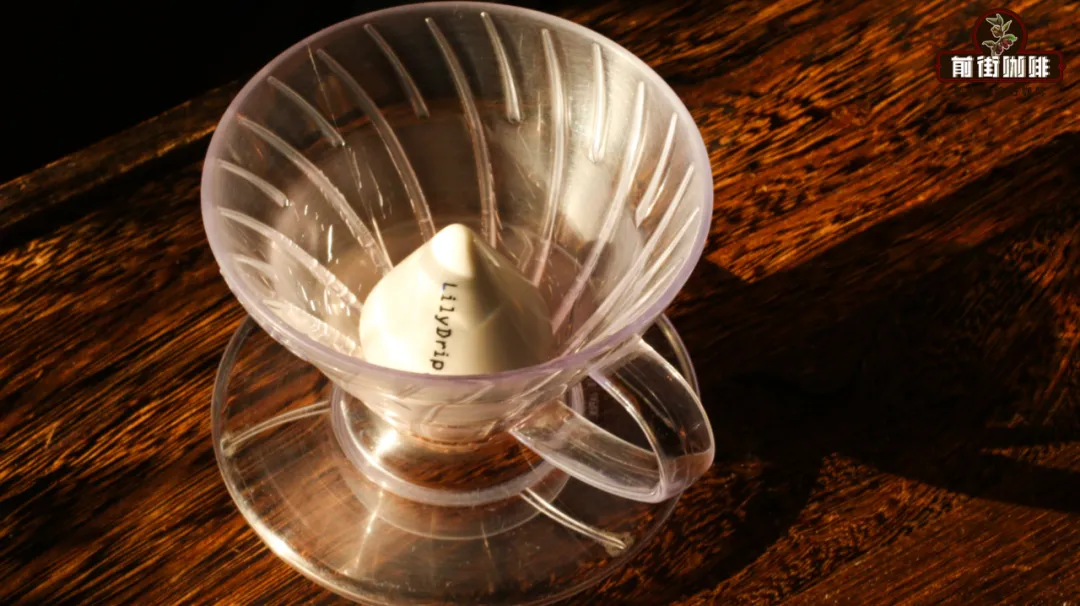
The grind size is set to level 10 on the EK43 grinder, and tested with a #20 sieve to achieve80% passing rate— this coarseness, similar to that of fine sugar crystals, is the golden range for pour over coffee. The pouring technique follows the classic three-stage method: initial 30-second bloom, mid-stage segmented pouring to control flow rate, and final stage for steady finishing. This method maximizes the hydrodynamic optimization features of the Lily drip.
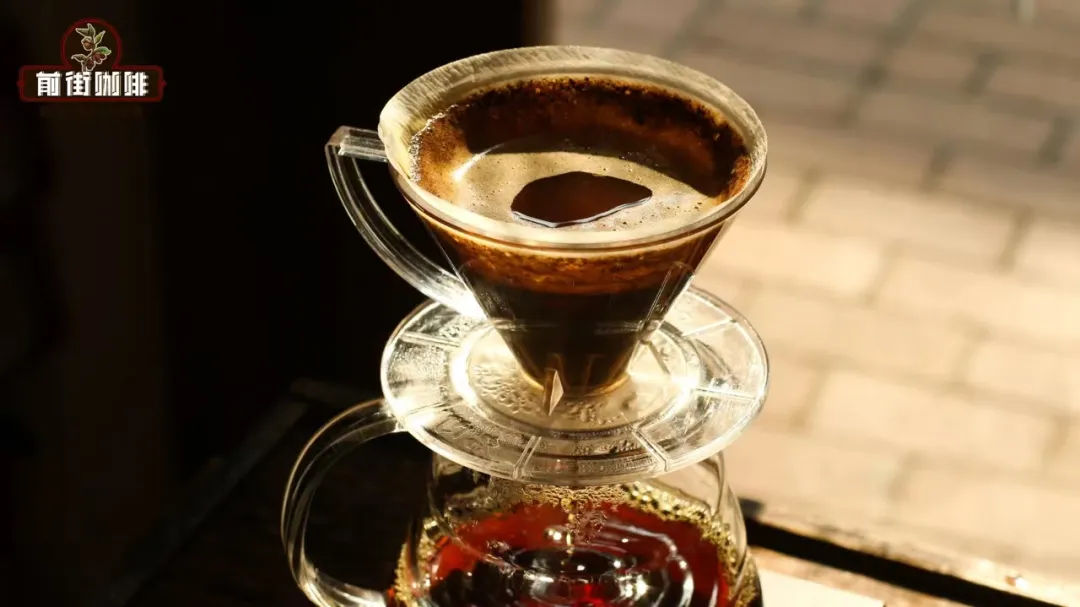
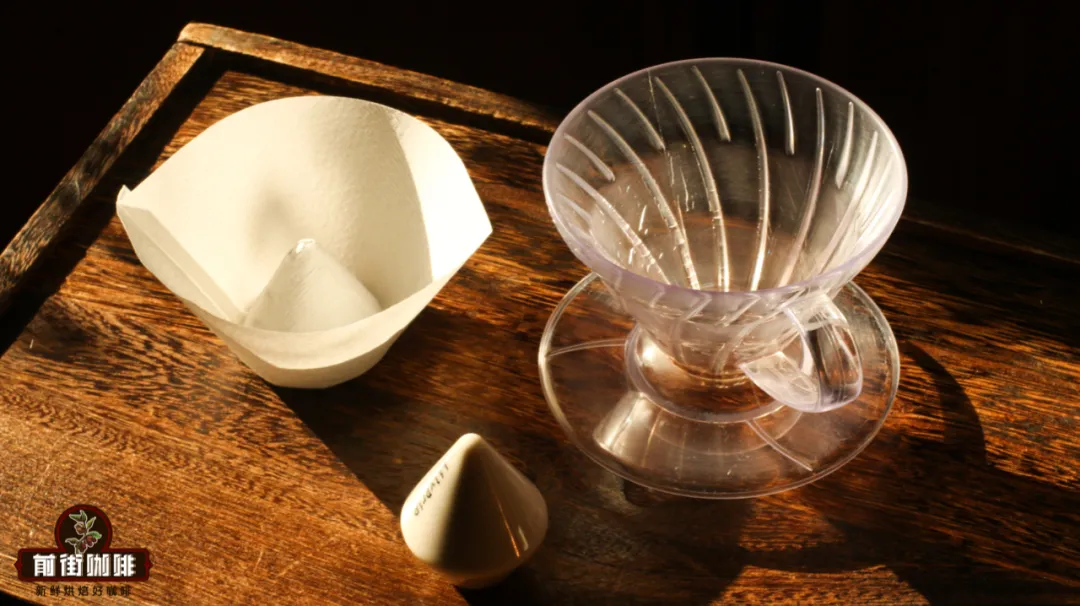
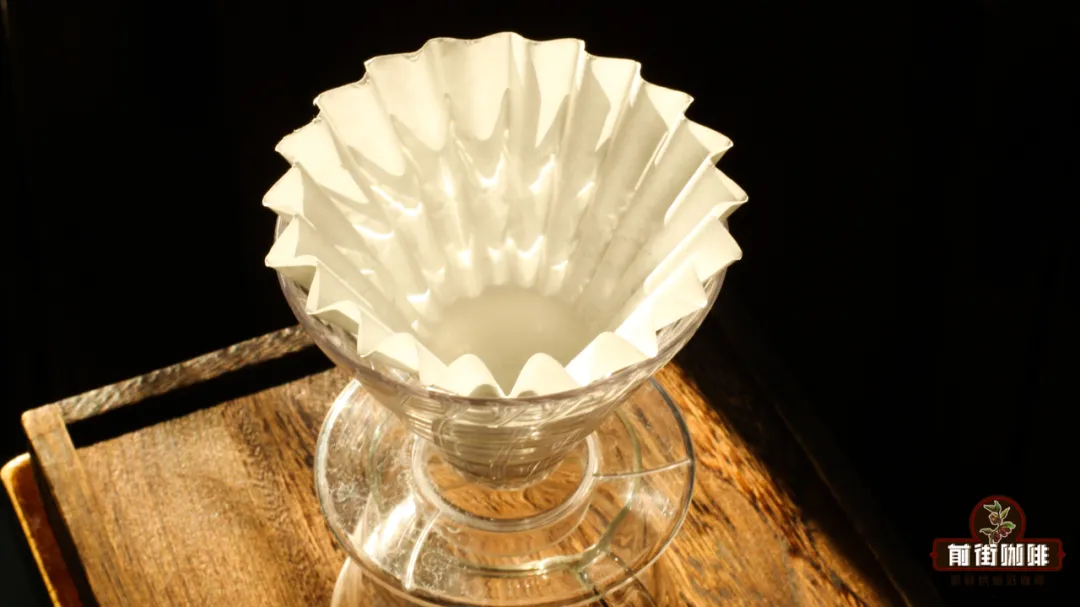
The combination of V60 dripper and cake filters is a key variable in this experiment. It's worth noting thatstandard V60 drippers can use cake filters, but attention should be paid to filter size compatibility. It's recommended to choose cake filters with a diameter slightly smaller than the inner rim of the dripper (about 90mm), ensuring proper spacing from the cup wall. Testing shows this combination can effectively extend brew time by about 15–20 seconds while reducing channeling effects.

There are three key points to note for installing the Lily drip: First, place the accessory at the center of the bottom of the dripper, ensuring a 1–2mm gap from the bottom of the filter paper; second, keep the pouring water vertical during pouring to avoid impacting the accessory and causing displacement; third, observe the water flow diffusion — the ideal state should show an even radial pattern. These details directly influence the uniformity of the final extraction.
Flavor comparison tests show that brews using the Lily drip result innoticeably enhanced sweetness, with more prominent and layered citrus flavors. This is due to the accessory’s buffering effect on the water flow — it allows hot water to penetrate the coffee grounds more evenly, reducing instances of localized over-extraction or under-extraction. For beginners, this stable extraction performance is especially beginner-friendly.
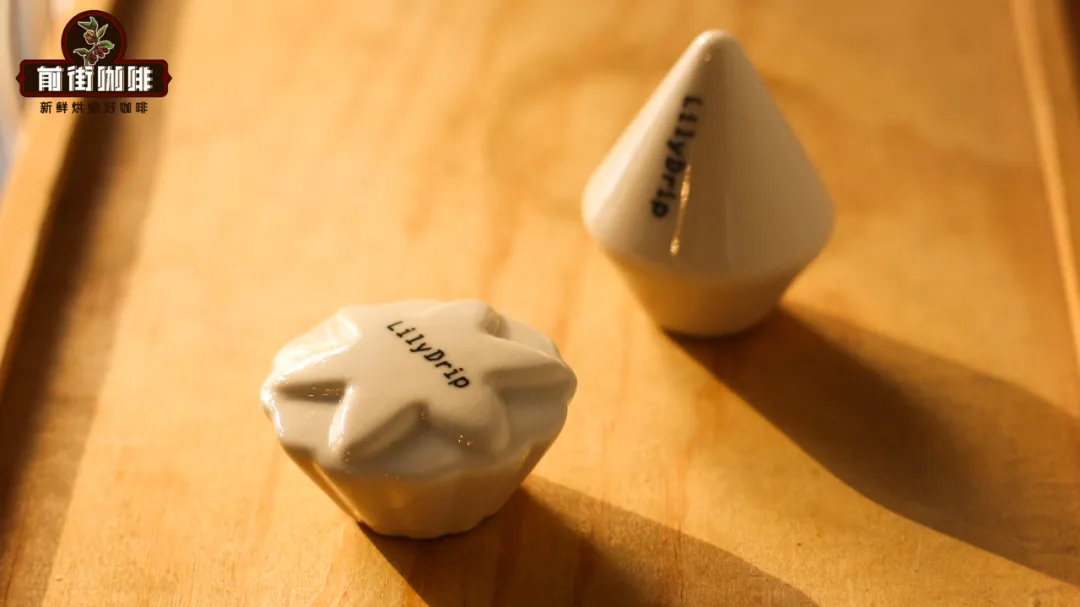
Regarding accessory compatibility, it's important to note: although the Lily drip is primarily designed for conical drippers, it is also suitable for mainstream models like the V60. The key is to adjust the accessory position according to the depth of the dripper — for dark roasted beans, it’s suggested to slightly raise the accessory to improve degassing efficiency. Regularly cleaning the seam between the dripper and the accessory is also important, as residual coffee oils may affect subsequent brews.
The above content is compiled by CoffeeHunters, a coffee news website.


