







Introduction:From grinding beans to pouring the cup, the birth of an espresso may seem quick, but every step affects the final flavor. This article delves into eight often overlooked details—from bean hopper pressure, portafilter cleanliness, pre-infusion to extraction timing—that help you consistently brew rich, balanced espressos at home with a professional touch.
Making a shot of espresso often takes less than a minute, but within this short time lies countless critical factors that influence flavor. Even if you’ve dialed in your ideal parameters, overlooking these small steps during actual operation can still lead to unstable extraction, turning what should be an outstanding coffee into something mediocre. The following breaks down eight easily missed yet impactful steps in the actual brewing process: bean hopper pressure, portafilter cleaning, coffee grounds observation, dosing and tamping, pre-infusion, portafilter attachment, extraction timing, and post-brew cleaning.
Before getting started, choosing the right coffee beans is crucial. For home espresso machine users, it’s recommended to use freshly roasted blends, which not only offer complex flavor layers but also better showcase the bold characteristics of espresso. Freshness and roast level directly affect overall extraction performance, so store your beans properly after purchase to avoid moisture or excessive oxidation.
1. Bean Hopper Pressure: Don’t Overlook the Impact of Bean Quantity
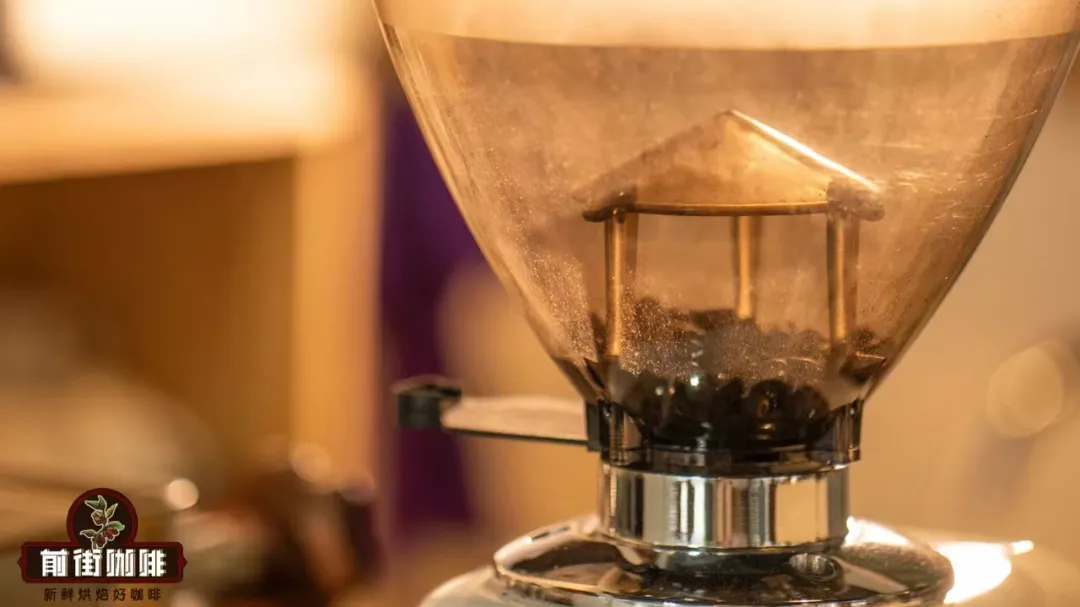
Before grinding, check the amount of coffee beans in the grinder’s bean hopper. If the bean level is below one-quarter full, insufficient upward pressure can cause the beans to jump around due to burr pressure during grinding, resulting in inconsistent grind size. This directly interferes with extraction time and flow rate, often leading to under-extraction.
To maintain stable extraction, it’s recommended to keep at least half the hopper filled with beans. If you don’t want to pour in too much at once, consider placing a moderate weight inside the hopper to provide consistent pressure.
2. Cleaning the Portafilter: The Hidden Impact of Residual Water and Coffee Grounds
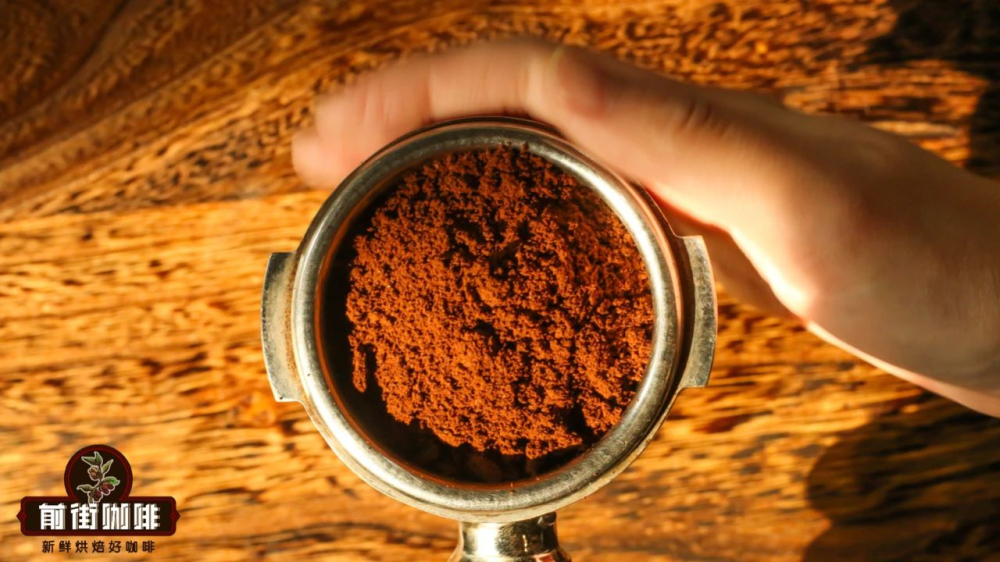
Even if you rinse the portafilter after each use, fine coffee grounds or water droplets may still remain inside or in the crevices. Especially when using it again shortly after rinsing, these residual moisture can prematurely wet part of the coffee grounds, causing localized channeling and severely affecting extraction uniformity.
Therefore, before loading the coffee, make sure to gently wipe the inside and outside of the portafilter with a clean cloth to ensure no residual moisture or foreign matter remains—laying the foundation for even extraction.

3. Observing Coffee Ground Dispersion: Judging Static and Spread Range
After grinding, don’t rush to load the coffee—observe how the grounds come out. Ideally, the coffee grounds should gather in the central area of the exit, not scatter widely. If the dispersion range is too broad, it’s likely due to static electricity causing the grounds to scatter, which might even block the exit and affect overall distribution consistency.
Also, if you notice coffee grounds clumping due to static, gently break them apart using a distribution tool or needle to avoid uneven channels after tamping, which can impact flow rate and flavor.
4. Distribution & Tamping: Uniformity Is Key
The evenness of distribution and tamping is one of the core factors determining the stability of espresso extraction. Uneven coffee distribution or inconsistent tamping pressure can create channels, causing some areas to over-extract while others under-extract.
It’s recommended to use a stable and consistent distribution technique, along with appropriate tamping pressure. If you’re unfamiliar with specific methods, refer to specialized guides on distribution and tamping techniques to improve overall extraction quality.
5. Pre-Infusion: Stabilizing Water Temperature and Clearing Residue
Before attaching the portafilter to the group head, open the water valve to release some hot water—a step called pre-infusion. This serves two main purposes: first, to clear any residual coffee grounds from the shower screen, and second, to stabilize the water flow, ensuring more consistent water temperature during extraction for unified flavor expression.
6. Avoid Bumping the Portafilter: Watch for Cracks in the Coffee Puck
When locking the portafilter into the group head, be sure to align it carefully with the catch to avoid collisions that could crack or separate the coffee puck. Even slight impacts can create gaps between the puck and the portafilter, forming preferential flow channels that severely affect extraction uniformity. More forceful bumps may even crack the puck entirely, leading to serious extraction failure.

Beginners are advised to familiarize themselves with the machine’s alignment structure beforehand, and gently lock the portafilter in place only after secure alignment, ensuring the puck remains intact.
7. Long Delays Before Extraction: Prevent Overheating the Puck
If you don’t start extraction immediately after attaching the portafilter, leaving the puck in prolonged contact with the hot shower screen can overheat the coffee grounds, accelerating flavor loss and even causing scorching—resulting in bitter, burnt-tasting espresso. Therefore, it’s best to begin extraction as soon as the portafilter is in place to preserve optimal flavor.
8. Post-Brew Cleaning: Maintaining Equipment Condition
After extraction, remember to open the water valve again and run some hot water through to clean the shower screen. This prevents leftover coffee grounds from scorching under high heat and affecting the flavor of your next cup. Keeping your equipment clean is one of the foundations of stable extraction.

The above content is compiled by CoffeeHunters, a coffee news website.


