








Introduction:Want to understand pour over coffee but don’t know how to describe its flavors? This article provides a systematic five-step tasting framework suitable for both beginners and seasoned enthusiasts. By mastering key observation points for aroma, acidity, sweetness, and aftertaste, along with practical brewing parameter suggestions, it helps you describe your coffee experience more precisely each time and truly grasp the flavor layers of a cup.
Many people find it difficult to describe coffee flavors, often not due to a lack of vocabulary but because they haven’t established a systematic tasting method. This article will detail the five core steps of pour over coffee tasting, from basic observations to advanced analysis, establishing a reusable tasting logic.

First, the initial step in coffee tasting is observing dry and wet aromas. When grinding coffee beans, pay attention to the type of aroma released—it could be floral, nutty, or fruity. After pouring water, the wet aroma reveals richer layers, and you should focus on capturing the changes in aroma. Note that environmental temperature and grind size both affect aroma release.

The second step focuses on the initial flavors when the coffee enters your mouth. High-quality pour over coffee usually presents distinct acidity in the first sip—this acidity should be clean and bright, with a refreshing sensation akin to citrus or berries, rather than sharp or irritating. It’s recommended to take small sips, allowing the coffee to fully contact your taste buds, and pay attention to how the flavors manifest in the front of your mouth.
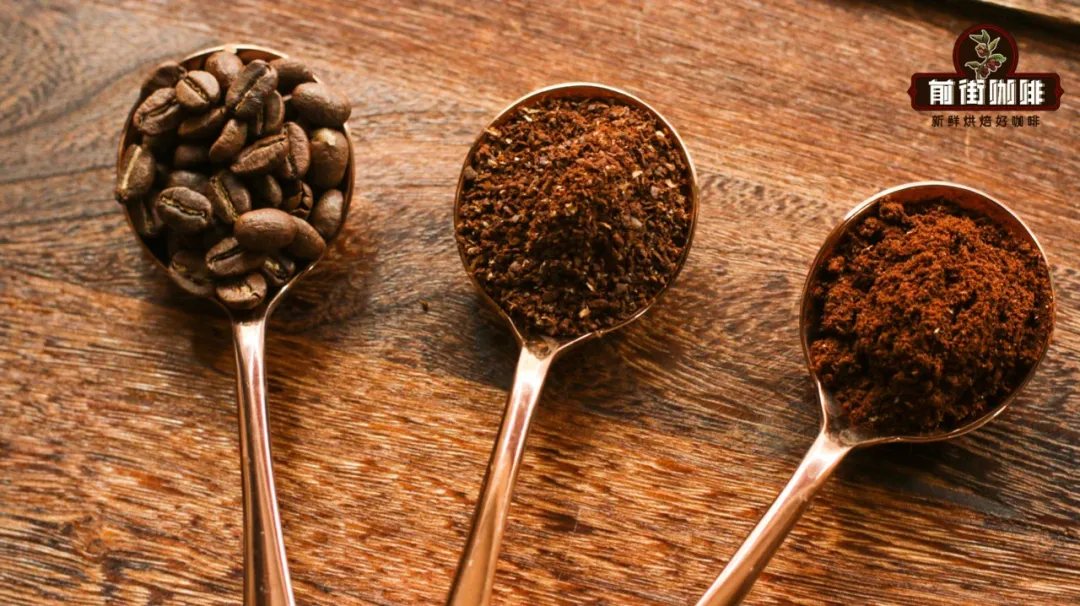
The third step evaluates the development of sweetness. Quality coffee will show noticeable sweetness in the mid-palate, which might be caramel-like or the juicy sweetness of fruit. Balance is key at this stage—sweetness should complement acidity to create a harmonious taste experience. Brewing water temperature and bloom time significantly influence how sweetness is presented.
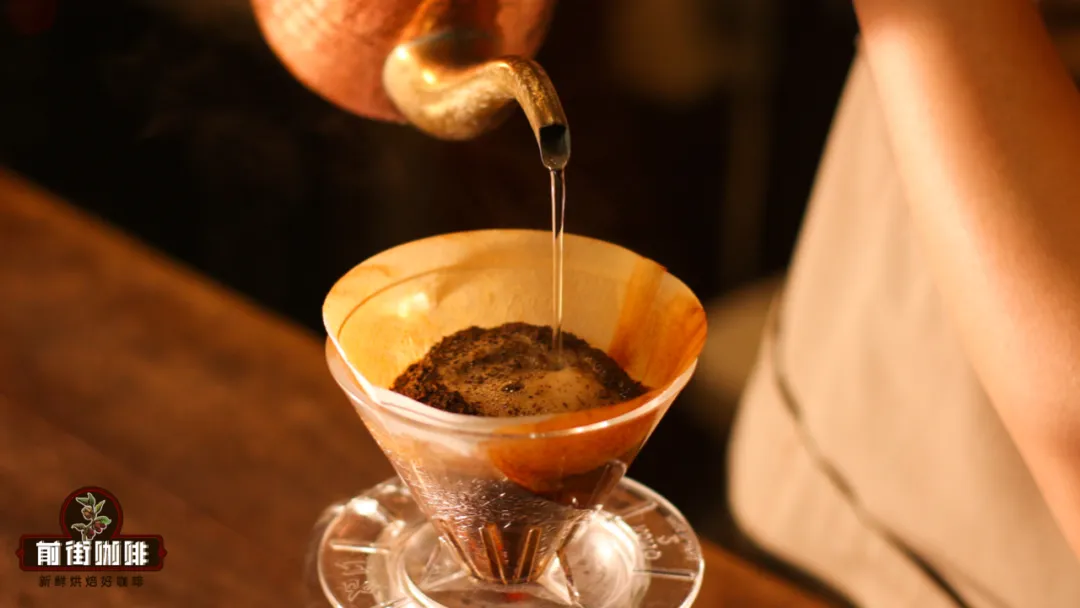
The fourth step is sensing the texture of the mouthfeel. The body (mouthfeel) of coffee in your mouth is similar to that of red wine or tea—some are light like water, others full-bodied like milk. Gently swirl the coffee in your mouth with your tongue, paying attention to its smoothness and weight. Filter type and brewing technique can noticeably alter the body’s expression.

The final step focuses on the duration and quality of the aftertaste. A good pour over coffee will leave a pleasant finish after swallowing, such as lingering sweetness or subtle floral notes. The aftertaste shouldn’t include bitterness or dryness—the longer it lasts, the better the quality usually is. Recording changes in aftertaste can help you more accurately evaluate the entire cup.
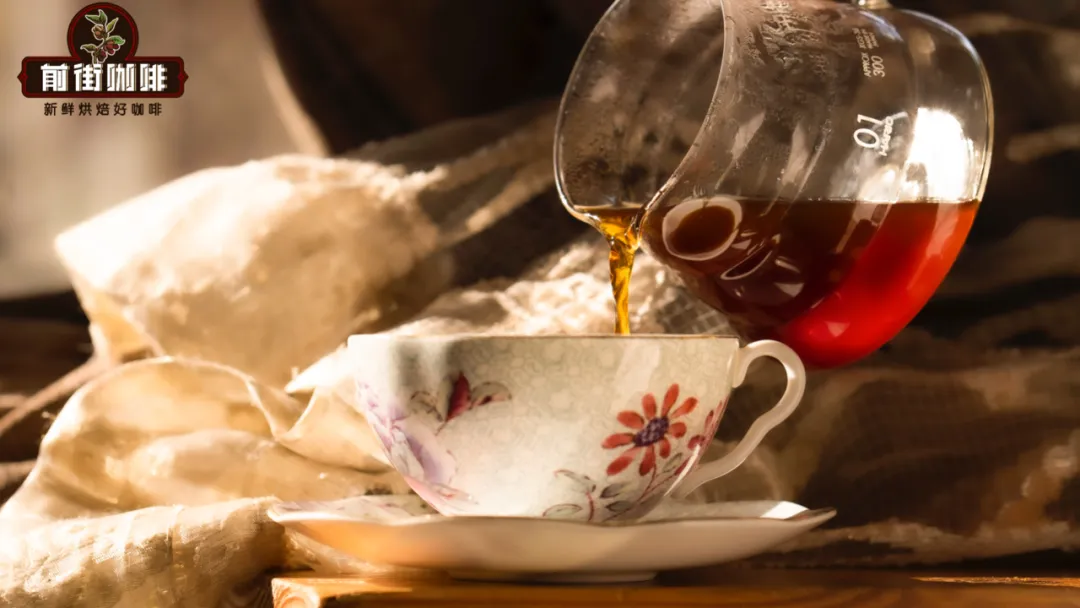
When practicing these five steps, it’s recommended to prepare tasting notes to record each experience. Pay attention to brewing parameters such as the coffee-to-water ratio (commonly 1:15–1:18), water temperature (usually 90–94°C), and grind size, and how they influence flavor. The same coffee bean can exhibit completely different flavor characteristics under different parameters.

Common pitfalls include relying too heavily on a single sense or starting tasting without properly warming your cup. Environmental temperature, water hardness, and even the taster’s physical and mental state can all affect perception. Keeping the tasting environment consistent improves evaluation accuracy.
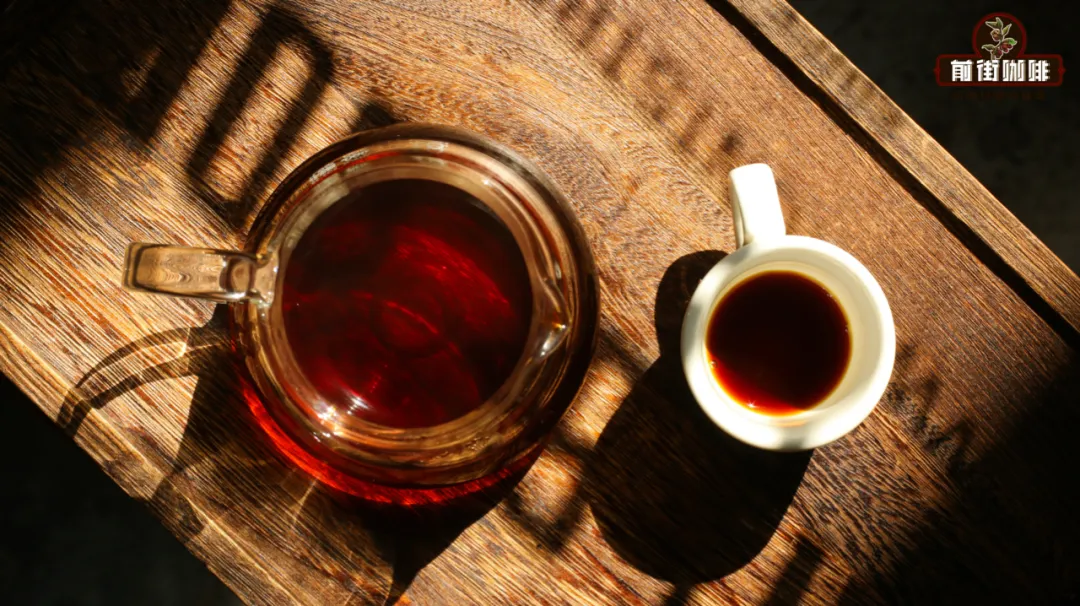
An advanced technique is to conduct blind tastings—tasting different coffees with your eyes closed to eliminate preconceptions about brands or origins. Comparing coffees from the same region with different processing methods, or those with the same processing method but different roast levels, can effectively enhance your flavor identification skills.

Remember, tasting ability requires continuous practice. Every pour over is an opportunity to train your senses. As experience accumulates, you’ll become more attuned to the subtle flavor changes in coffee and develop your own personalized tasting vocabulary. These five steps will become a reliable tool for exploring the world of specialty coffee.


The above content is compiled by CoffeeHunters, a coffee news website.


