







Introduction:Wiener Melange is a classic representation of Vienna’s coffee culture, similar to the common cappuccino yet with subtle differences. This article delves into the historical background of Wiener Melange, explores its distinctions from cappuccino in terms of ratio, milk foam, and serving size, and provides a detailed walkthrough of brewing it using Warm Sun beans, along with the flavor experience—helping readers better understand the unique charm of this Austrian-style milk coffee.
Wiener Melange (Melange) is an indispensable and significant part of Vienna’s café culture. Its name originates from the French word for "mixture," symbolizing the exquisite blend of espresso, hot milk, and thick foam. While this drink shares many common ingredients with the well-known cappuccino, it differs markedly in details such as serving size, number of espresso shots, and how the milk foam is prepared. This article will start with the historical context of Wiener Melange, compare its actual differences with cappuccino, and guide readers through the process of making an authentic Wiener Melange using Warm Sun coffee beans—offering an in-depth look at this classic Viennese coffee.
 A reader mentioned this Viennese coffee beverage—Wiener Melange, known in English as Melange—in a previous comment. Though it may not sound mainstream, it piqued our interest, prompting us to explore it in depth. What exactly is Wiener Melange? How does it differ from the familiar cappuccino we know?
The term Melange comes from French, meaning “mixture,” emphasizing the blending of different elements. In Vienna, it is also called Wiener Melange, or “Viennese-style mixed coffee,” consisting essentially of one shot of espresso, a suitable amount of hot milk, and rich foam. (By the way, Vienna also has another well-known drink called Viennese Coffee, which mainly uses whipped cream rather than foam.)
There is no very detailed record regarding the historical origins of Wiener Melange, but it is certain that this coffee is deeply rooted in Vienna’s rich café culture. From the late 19th century to the early 20th century, Vienna had nearly 600 cafés, gathering places for literati, artists, and thinkers who conversed, created, read, and savored coffee in these elegant spaces. Over time, Vienna’s café culture (Wiener Kaffeehauskultur) gradually formed a unique tradition, and Wiener Melange is a classic product nurtured by this history.
Walking into a café in Vienna, it’s not hard to notice that they mostly feature nostalgic decor, soft music, and traditional desserts, creating a strong humanistic atmosphere. Wiener Melange is a common signature milk coffee in these longstanding establishments, deeply loved by locals and an essential choice for visitors looking to experience Vienna’s coffee culture.
So, what exactly is the difference between Wiener Melange and the well-known cappuccino? In terms of basic composition, both include espresso and milk, but cappuccino enjoys far greater global recognition than Wiener Melange—it’s almost a standard in cafés worldwide, whereas Wiener Melange is rarely seen outside of Vienna and even many baristas have never heard of it.
At first glance, the ingredient combinations of Wiener Melange and cappuccino are indeed quite similar—both are small-sized, strong-flavored milk coffees. Their preparation methods also share commonalities; the most common approach is to use a ceramic cup, mixing a single shot of espresso with steamed milk, without particular latte art, and retaining the foam on top. However, upon closer comparison, key differences emerge in aspects such as serving size, number of espresso shots, and thickness of the foam.
Wiener Melange typically uses a single shot of espresso, with a serving size of about 120 to 180 milliliters—slightly smaller than a cappuccino, and usually filled only to about eight or nine tenths full. Some traditional cafés may even top it with an extra dollop of whipped cream. In contrast, cappuccino generally uses a double shot of espresso, served in a cup of about 6 ounces (approximately 180ml), with a distinctively prominent “dome” of thick foam on top. Some shops may also sprinkle cinnamon or cocoa powder for added flavor.
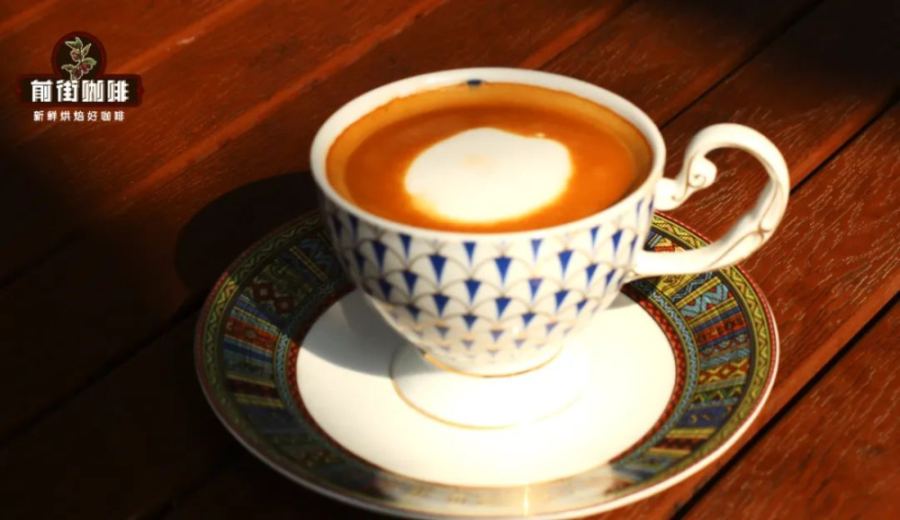
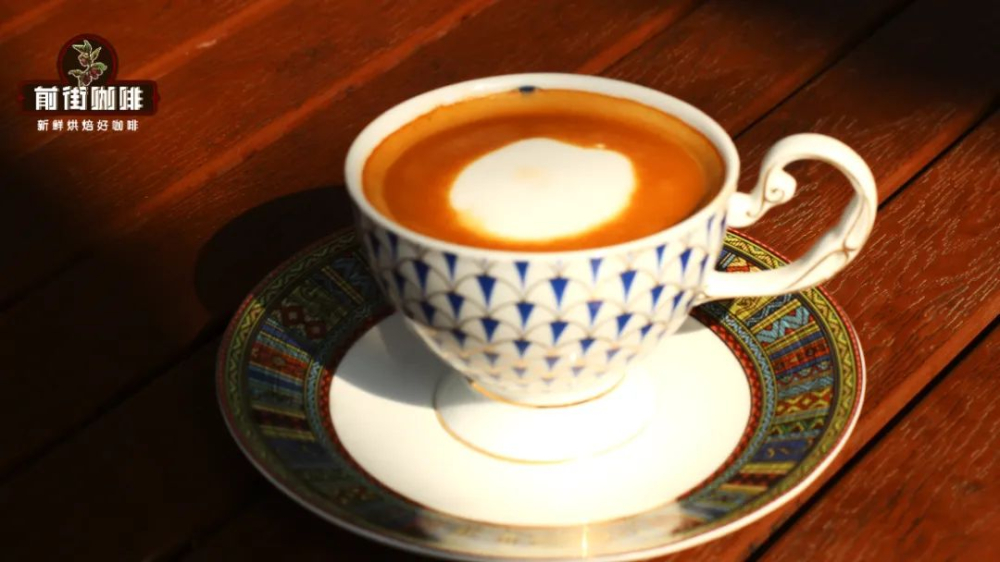
To get closer to the traditional flavor, a retro-style bone china cup was specially chosen, and the daily-use Warm Sun coffee beans were used as the base to make Wiener Melange according to the classic method. The extraction phase begins: 20 grams of coffee grounds are used to extract 40 grams of coffee liquid, with the time controlled to around 30 seconds, and half of the extracted liquid is poured into the cup for later use.
Next, 100 milliliters of fresh milk are added to the milk pitcher and steamed into fine, dense, thick foam, with the temperature recommended to be maintained between 55 to 60°C. Then, the steamed milk is mixed with the previously set-aside coffee liquid, taking care to concentrate the white foam in the center, gently enveloped by the coffee liquid.
The resulting Wiener Melange has an overall strength similar to a hot latte, but because it skips the blending and latte art steps, the coffee’s crema is preserved more intact. Upon the first sip, the thick foam delivers a slightly bitter taste with nutty undertones, followed by the middle layer of foam releasing a gentle milk aroma, enriching the overall flavor profile. This transition from intensity to smoothness is precisely the charm of Wiener Melange.
The above content is compiled by CoffeeHunters, a coffee news website.


