







Introduction:Tarrazú is the most representative high-altitude coffee-growing region in Costa Rica, not only winning numerous accolades in international competitions but also renowned for its Strictly Hard Bean (SHB) classification and delicate, balanced flavors. This article delves into the region’s geographical advantages, microclimatic conditions, grading system, as well as notable sub-regions and estates, helping readers understand why Tarrazú has become a focal point for specialty coffee enthusiasts worldwide.
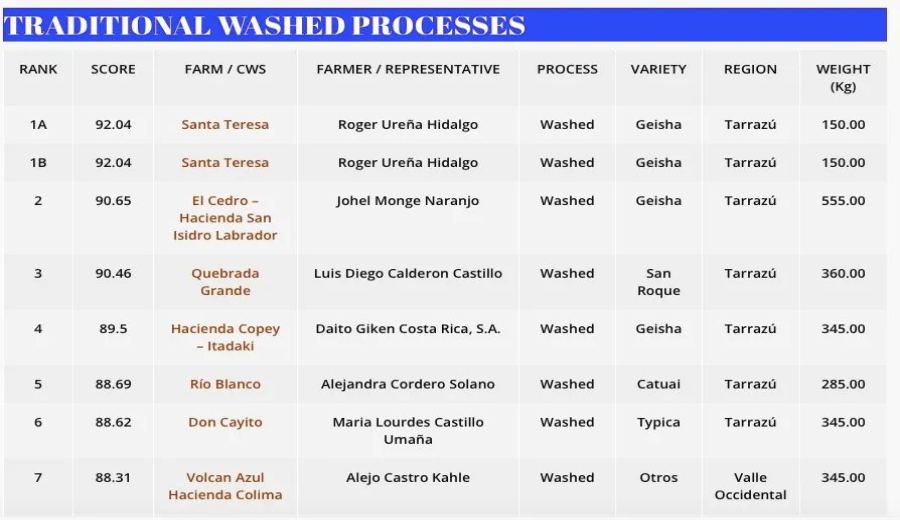
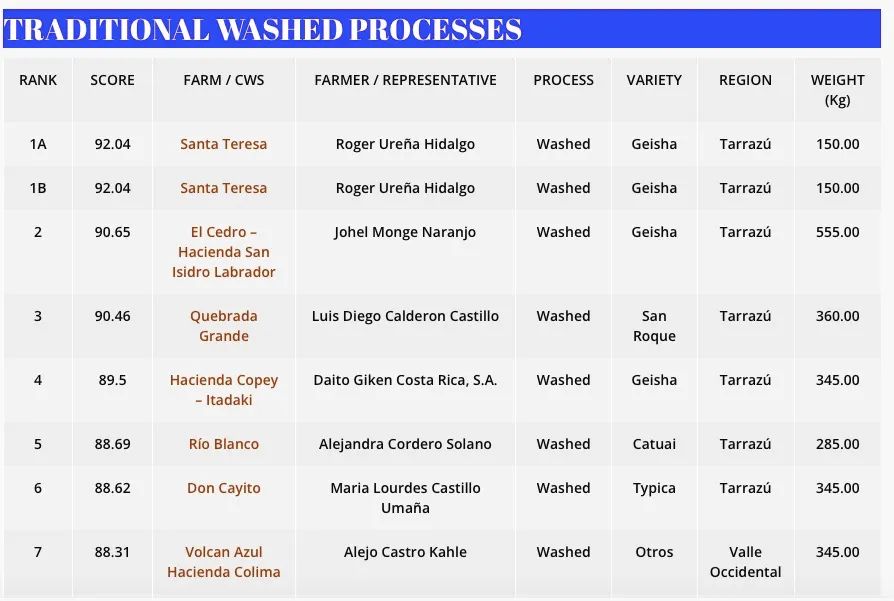
Tarrazú is one of the most well-known coffee regions in Costa Rica. With its high quality and consistent performance, it holds a solid position in the global specialty coffee market. This area is not only the country's largest coffee-producing region but also features the highest average elevation for coffee cultivation. It has also performed exceptionally well in international evaluations such as the Cup of Excellence (COE)—for example, in the most recent year, 22 out of 30 awarded coffees came from Tarrazú. What kind of terroir and conditions make this region stand out?
Looking back at the history of coffee in Costa Rica, the country began cultivating coffee in the early 18th century and started exporting it in the early 19th century. Blessed with a unique geographical environment and supported by long-term government policies promoting high-quality coffee—going as far as legislating that only Arabica varieties can be grown—it has established a stable and excellent foundation for coffee production. Among the country’s eight designated coffee-growing regions, Tarrazú stands out due to its vast area and high average elevation.
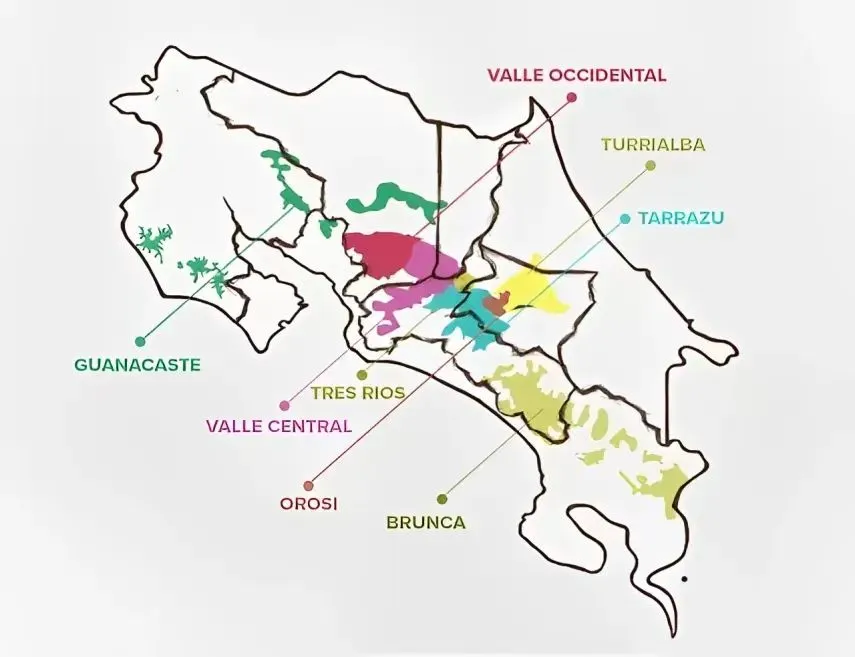
Located in the southeastern part of the province of San José, the capital, Tarrazú is surrounded by volcanic mountains and national parks, enjoying exceptionally favorable geographical conditions. Influenced by the interaction of airflow from both the Pacific and Atlantic Oceans, the region enjoys a cool and pleasant climate, with an average annual temperature of about 19°C, providing an ideal growing environment for coffee trees. The local coffee is cultivated at elevations between 1,500 and 2,100 meters, making it a typical high-altitude growing zone. It is worth mentioning that the coffee cultivation process in Tarrazú strictly avoids the use of pesticides and chemical fertilizers, resulting in coffee beans that are purer and exhibit more natural flavor profiles.
Thanks to a long history of coffee cultivation, farmers in Tarrazú have accumulated extensive experience. Coupled with solid financial foundations and technological investments, the coffee quality in this region has consistently remained at a high level. Coffee produced in Tarrazú typically features mild acidity, rich aroma, good body, and overall balance—qualities that make it highly popular in both domestic and international markets.
Within the core area of Tarrazú, there are also several renowned sub-regions, such as Los Santos and Dota. These smaller areas further refine the flavor characteristics of the coffee due to differences in microclimate and soil. Additionally, the region is home to several historic and highly reputed coffee estates, such as Mirazu Estate and Hacienda San Isidro Labrador, which often employ refined post-harvest processing methods to further enhance the quality and flavor complexity of their coffee.
With the rising fame of Tarrazú, some counterfeit products have emerged in the market, attempting to profit handsomely. To protect the valuable reputation of this region, the Costa Rican government officially applied for Protected Designation of Origin (PDO) status for "Café de Tarrazú" with the European Union and the World Intellectual Property Organization (WIPO) in 2019. This ensures that only coffee truly originating from this region can bear the name, safeguarding consumer rights and the authenticity of the region.
Costa Rica’s coffee grading system is primarily based on cultivation altitude and is divided into three grades: SHB (Strictly Hard Bean), GHB (Good Hard Bean), and MHB (Medium Hard Bean).The SHB grade requires cultivation at elevations above 1,200 meters, and the Tarrazú region hasas much as 95% of its coffee beans falling into this category. The high-altitude environment causes coffee cherries to ripen more slowly, allowing for more thorough sugar accumulation, which in turn leads to richer flavor complexity and better bean density. In comparison, GHB corresponds to altitudes between 1,000 and 1,200 meters, while MHB refers to those below 1,000 meters, with flavor profiles generally slightly inferior to those of high-altitude regions.
In terms of actual cupping experience, coffee from Tarrazú often exhibits bright acidity, mild sweetness, as well as rich fruit and nut notes. Taking the commonly seen Caturra and Catuai varieties as examples, when roasted to appropriate levels, these beans can showcase captivating flavor profiles such as sweet orange, chocolate, and nuts. They are well-suited for pour over or drip brewing methods and are widely favored by beginner coffee enthusiasts.
The above content is compiled by CoffeeHunters, a coffee news website.


