







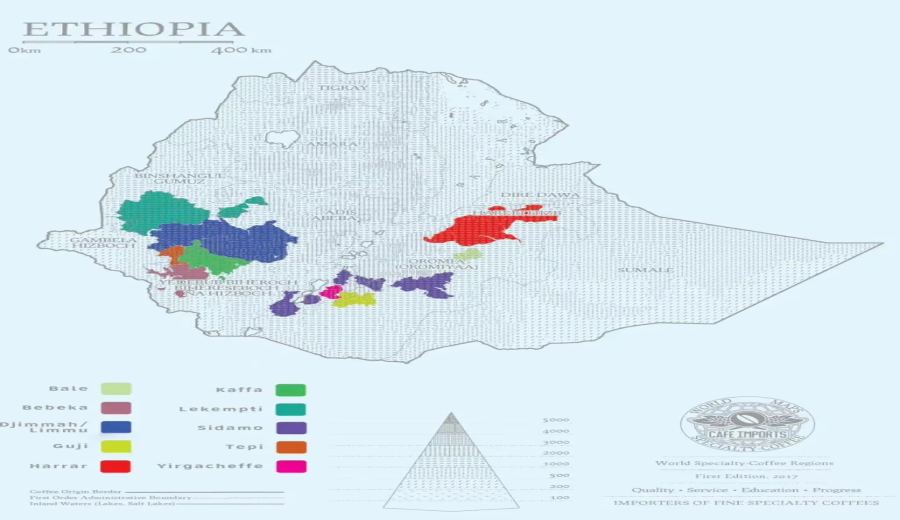
Introduction:As the birthplace of coffee, Ethiopia is home to numerous heirloom varieties, among which the Yirgacheffe Red Cherry Project coffee stands out as a quality benchmark. This article delves into the origins and operational model of the Red Cherry Project, as well as the regional characteristics, processing methods, and actual cupping flavors of the Yirgacheffe natural beans under this initiative—helping you better understand this much-talked-about pour over coffee bean.
Ethiopia is not only one of the world’s most important birthplaces of coffee, but also famed for having tens of thousands of native coffee varieties. These varieties mostly boast intense floral and fruity aromas, making it a dream origin for many coffee enthusiasts. Among the many renowned producing regions, Yirgacheffe stands out with its distinctive citrus, floral, and tea-like flavor profiles. In the menu of a certain coffee shop, there is a coffee bean called "Yirgacheffe Red Cherry." The name "Red Cherry" does not refer to its flavor, but rather originates from the "Red Cherry Project" launched in 2007 by Dutch green coffee trader Trabocca, which aimed to enhance coffee quality by purchasing only fully ripe red cherries at premium prices.
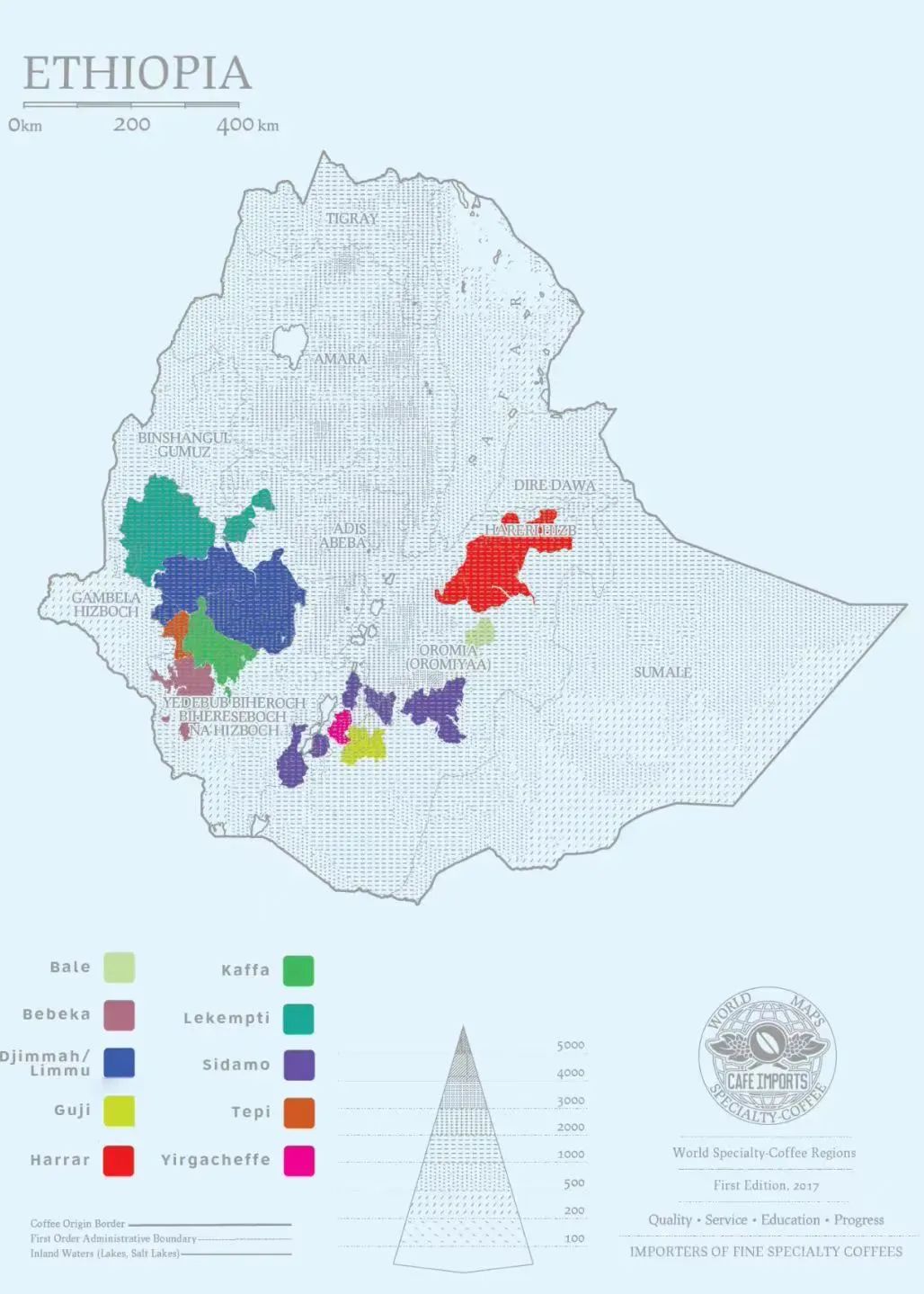
Ethiopia is the African country with the highest coffee production in the world and is widely recognized as the birthplace of coffee. The region is home to approximately 10,000 to 15,000 native coffee varieties. Due to long-term natural evolution, these varieties have created a rich and diverse flavor spectrum. Although Yirgacheffe is located within the Sidamo region, its flavor profile is so exceptional that after the 2019 administrative boundary adjustment of Sidamo, it came to be regarded as an independent producing region. The coffee here is celebrated for its bright acidity, floral notes, and citrus character, and is deeply loved by consumers worldwide.
The "Yirgacheffe Red Cherry" coffee beans offered by a certain coffee shop—behind those three words "Red Cherry"—lies an important initiative that has transformed the local coffee industry. So, what exactly is this project? And how does it influence the quality and flavor of the coffee?
The answer lies in the "Red Cherry Project" (Operation Cherry Red), a quality improvement initiative launched in 2007 by the major Dutch green coffee trading company Trabocca. The core of the project is to encourage farmers to refine their harvesting and post-harvest processing procedures by purchasing fully ripe red coffee cherries—so-called "whole red cherries"—at premium prices. The emphasis on "whole red cherries" stems from the fact that coffee cherries are similar to cherries in that the riper they are, the higher their sugar content and the more rounded and full their flavors.

In the past, due to persistently low international coffee prices, many Ethiopian farmers often did not select for fruit ripeness during harvest, mixing red cherries, green cherries, and even defective cherries together, all just to secure income through yield. But this approach led to unstable green bean flavors and made it difficult to improve quality. To reverse this situation, Trabocca launched the Red Cherry Project, requiring participating farmers to hand-pick only whole red cherries, with each batch limited to between 1,500 and 3,000 kilograms.
In return, Trabocca was willing to purchase qualifying batches at prices far above market rates. This not only directly increased farmer incomes but also motivated them to pay more attention to harvest quality. Meanwhile, the small-batch model also allowed processing facilities to invest more effort into finer post-processing.
However, to qualify as a batch under the Red Cherry Project, it had to pass a double checkpoint: Trabocca would conduct cuppings in both Ethiopia and the Netherlands in professional cupping labs. Only if both sets of judges approved its flavor performance would the batch be officially purchased. In addition, Trabocca actively invested in local processing facilities, providing subsidies for equipment upgrades, and offering farmers financial loans and technical training—offering comprehensive assistance to elevate the overall production standards of the region.
The Red Cherry Project now covers various processing methods, including washed, natural, semi-washed, semi-natural, and even experimental processes. Major producing regions include not only Yirgacheffe but also well-known micro-regions such as Sidamo, the Pungu Forest, and Lekempti. These areas, due to differences in altitude and microclimate, each showcase unique flavor characteristics.

In short, the Red Cherry Project motivates farmers to be more meticulous in every step—from harvesting, sorting, to processing—through economic incentives and quality control, thereby producing coffee beans with more consistent flavors and superior quality. This not only enhances the international image of Ethiopian coffee but also allows consumers to enjoy a higher level of flavor experience.
The "Yirgacheffe Red Cherry" coffee beans introduced by a certain coffee shop are processed using the traditional natural (sun-dried) method. The natural method, also known as Natural, is one of the oldest coffee processing techniques. It existed back when coffee was first discovered in Ethiopia, at a time when there was no water available for washing. Therefore, the entire coffee cherry was simply sun-dried, then the outer pulp and parchment were removed to extract the coffee beans. This method is highly dependent on weather conditions and typically takes about 21 days to a month. During this period, rain or humid weather can easily lead to fermentation failure or off-flavors.
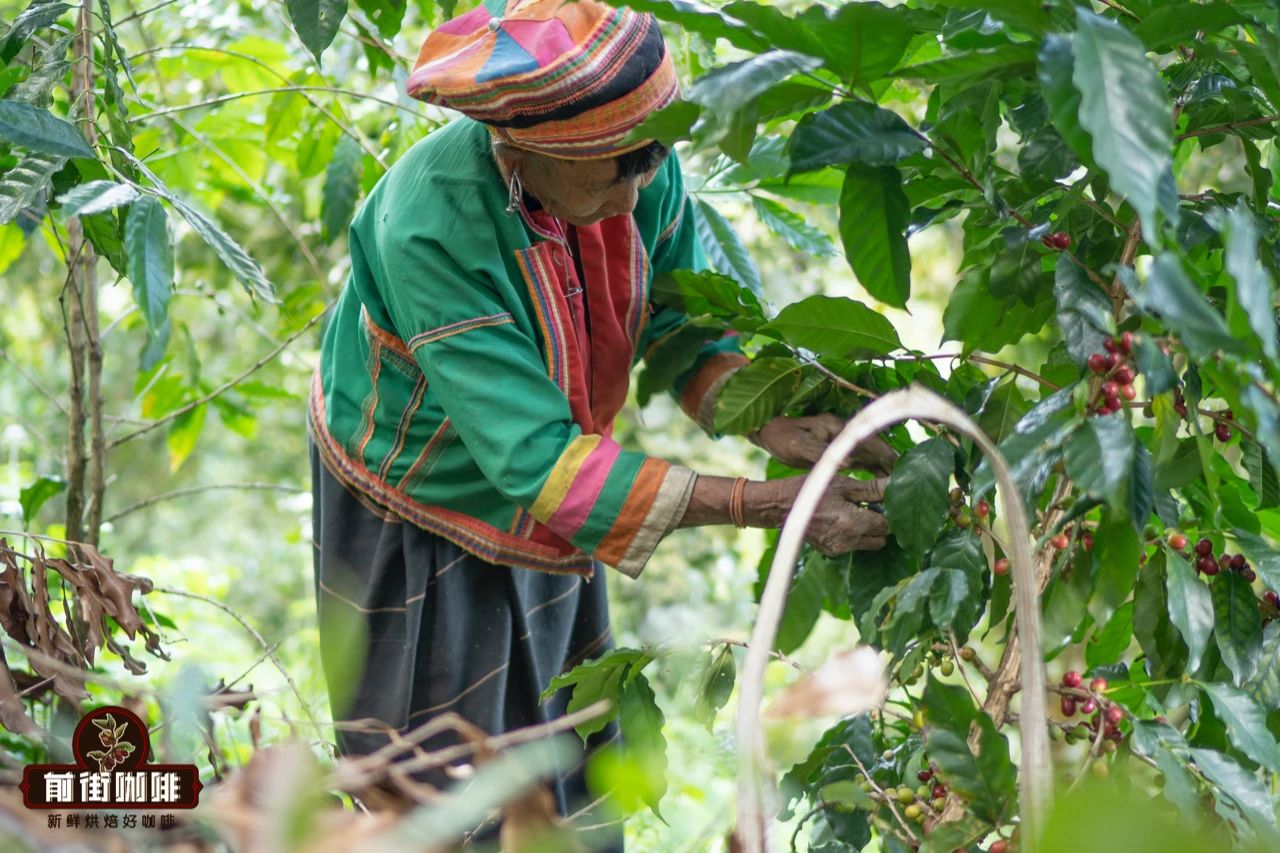
In modern, refined natural processing, farmers must frequently turn the coffee cherries in the first three days to ensure that the high-moisture cherries are evenly heated and to prevent mold and off-flavor development. The cherries are usually spread out in a very thin layer to maintain good ventilation. The entire drying process takes approximately 14 to 18 days until the moisture content drops to around 11%, at which point they can be stored.
For these high-altitude Yirgacheffe natural Red Cherry beans, the roaster at a certain coffee shop conducted multiple tests and ultimately opted for a medium-light roast to preserve their inherent floral and fruity character. After proper resting, the cupping results are outstanding: the dry aroma carries a richly sweet and tangy scent of berries and berries, while the cup reveals soft fruit acidity, pronounced fermentation aromas, honey-like sweetness, and a black tea-toned finish. The overall mouthfeel is smooth and layered—a high-quality single-origin bean that is very well suited for pour over brewing.
The above content is compiled by CoffeeHunters, a coffee news website.


