








Introduction:Honey-processed coffee beans are often considered to have pronounced sweetness, but their actual flavor is influenced by multiple factors. This article delves into the principles of the honey processing method and uses Colombia Hope Estate Geisha as an example to help you understand its unique flavor characteristics. A barista shares practical pour over parameters and steps to teach you how to brew a Geisha coffee with distinct layers and a balanced sweet-and-acid profile at home.
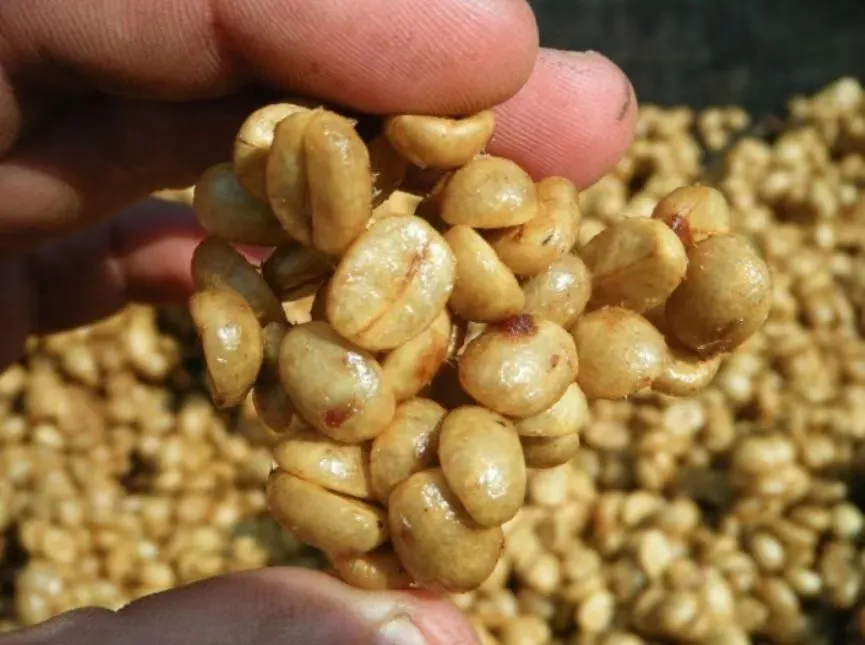
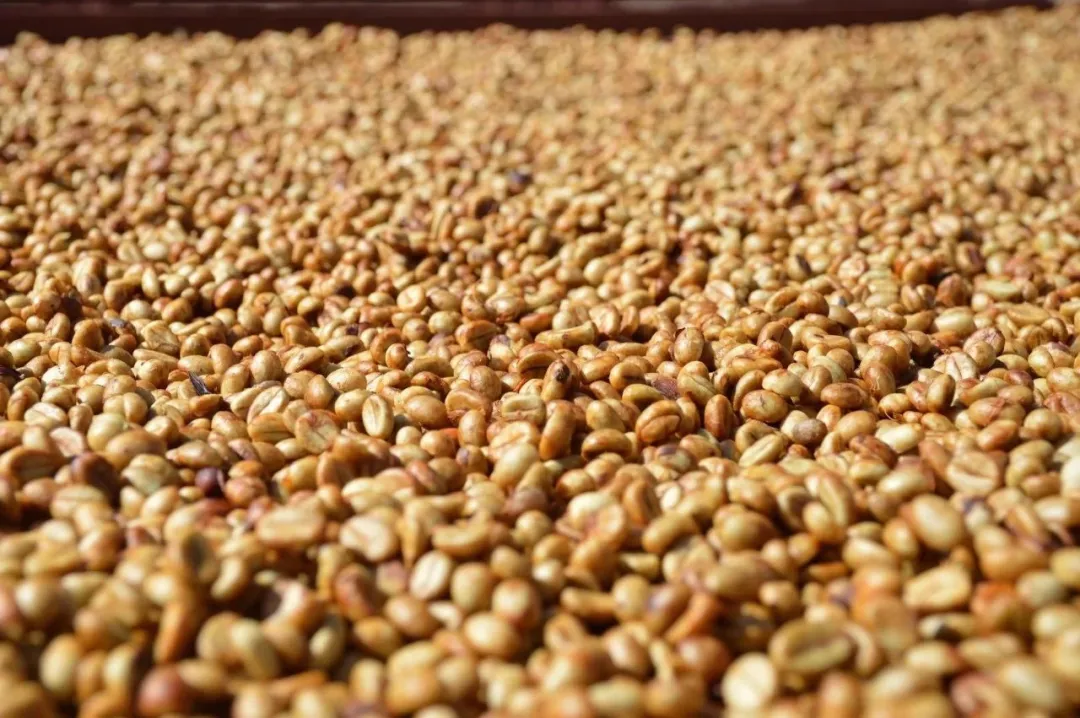
The reason honey-processed coffee beans are often advertised as having "outstanding sweetness" actually involves a combined effect of the processing method, bean variety characteristics, terroir microclimate, and roast level. Many coffee enthusiasts wonder if this sweetness comes solely from the honey process itself. In reality, the honey process retains more of the mucilage layer, which can transform into richer sugar compounds during fermentation, but the final flavor presentation still relies on the coordination of other elements.
Take Colombia Hope Estate Geisha as an example. This coffee bean is meticulously processed using a controlled honey method, combined with a high-altitude growing environment and the unique genetics of the Geisha variety, resulting in bright acidity and a rich floral and fruity profile. Its flavor wheel typically includes citrus, honey, white floral notes, and a caramel-like sweetness in the aftertaste, making it a favorite among many pour over enthusiasts.

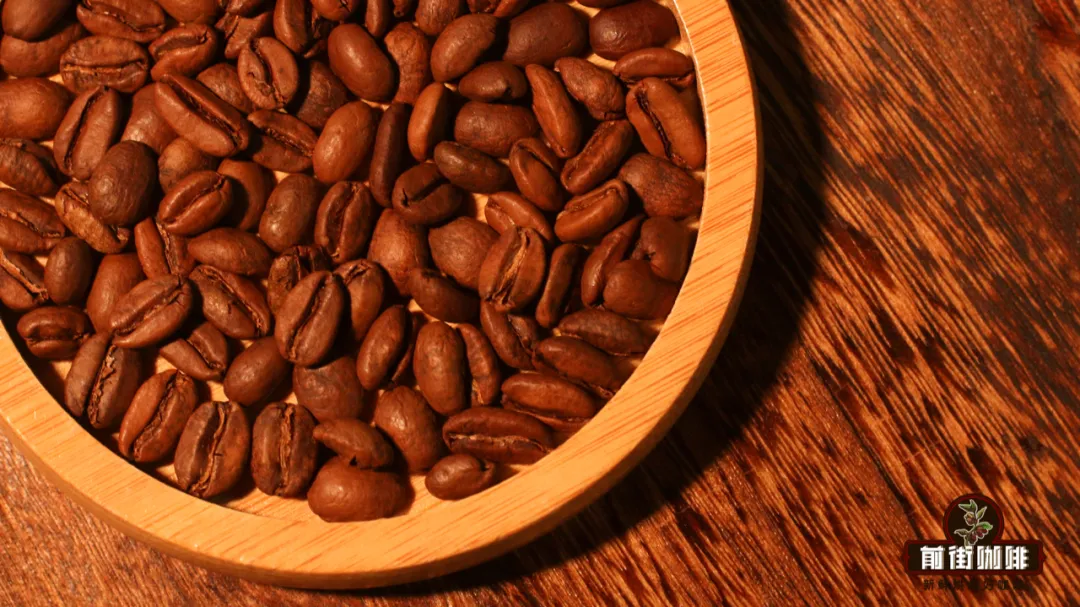
To fully showcase the potential of this coffee, setting the right brewing parameters is crucial. A barista, in practical operation, used a medium-light roasted Hope Estate Geisha, aiming to highlight its delicate layers and balanced sweet-and-acid expression.
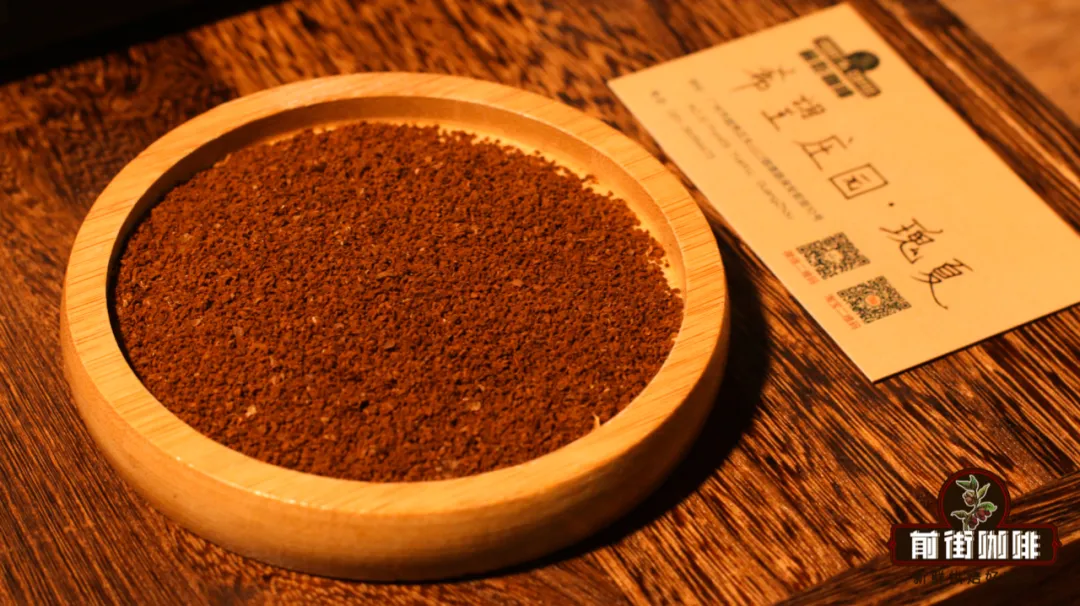
Specifically, the grind size is recommended to be medium-fine, roughly between white sugar and fine sugar, which ensures an appropriate extraction rate. The coffee-to-water ratio is suggested at 1:15, meaning 1 gram of coffee grounds to 15 milliliters of water. This ratio helps balance flavor intensity and mouthfeel smoothness.
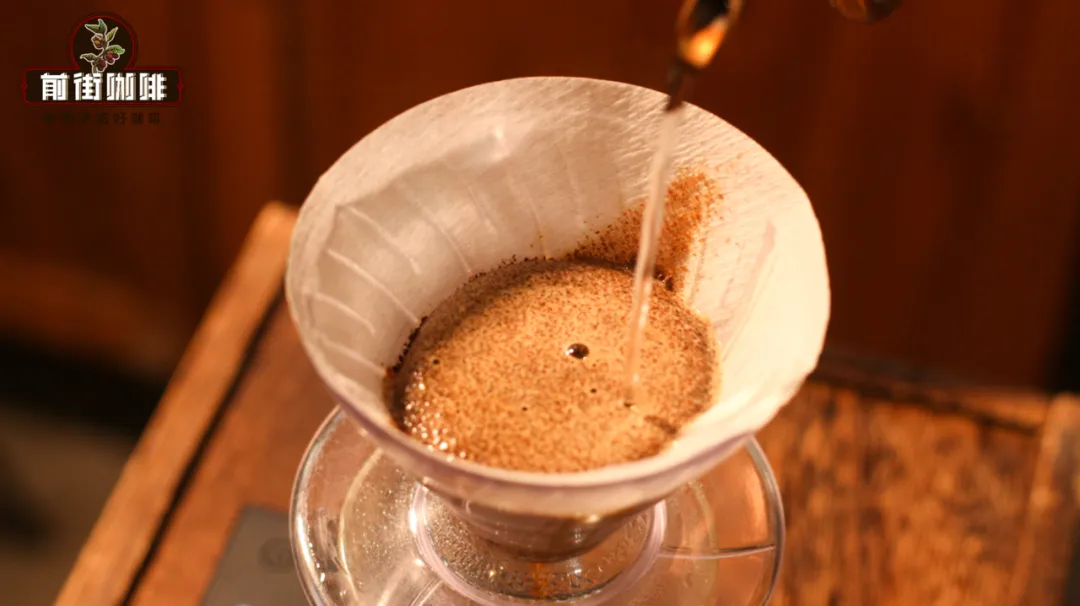
During the brewing process, one café adopts a multi-pour method, divided into three stages. First, a 30-gram bloom is performed for about 30 seconds, which awakens the coffee grounds and releases initial aromas. Next, 95 grams of water is poured, slowly expanding the extraction area, taking about 45 seconds. The final stage involves pouring 100 grams of water, reaching a total of 225 grams, with the overall brewing time recommended to be between 2 minutes and 2 minutes 15 seconds.
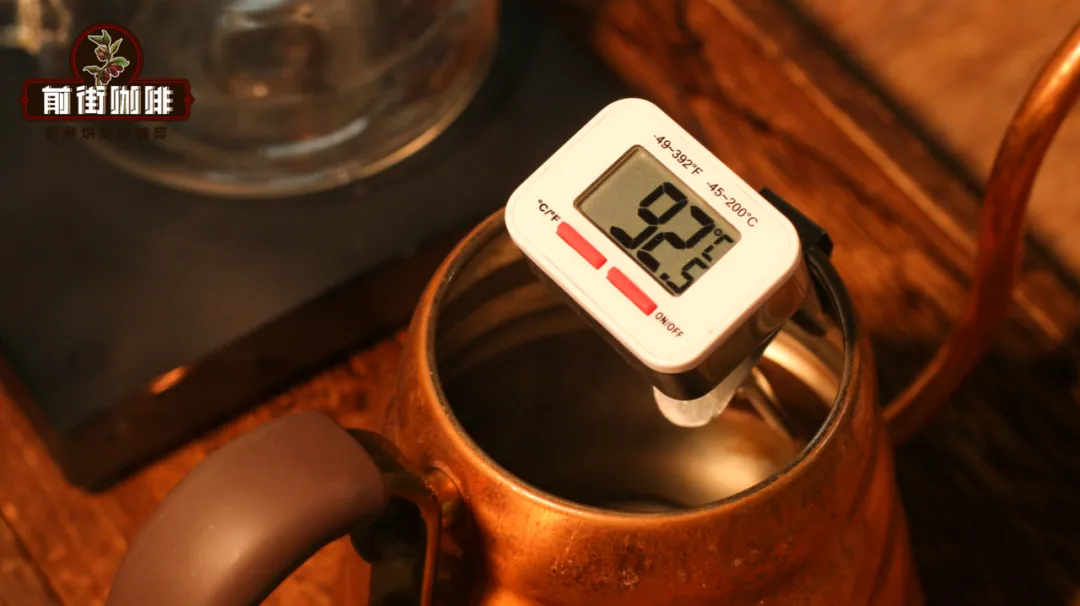
For water temperature, it is recommended to use hot water between 90°C and 92°C. This temperature range can fully extract the aromatic compounds of the Geisha beans while avoiding over-extraction that could lead to bitterness. If using tap water, it is advisable to filter it first to reduce impurities that might affect flavor.
In practice, attention should be paid to the height and speed of pouring. It is recommended to hold the kettle about 10 centimeters above the coffee bed and pour in a steady circular motion to ensure even distribution across the coffee surface. Pouring too quickly may cause channeling, where some coffee grounds are not fully extracted.
Additionally, the choice of dripper also affects the final flavor. One café recommends using a V60 or Kalita Wave, both of which have good filtration capabilities that help stabilize flow rate and minimize the impact of fine particles.
The brewed Colombia Hope Estate Geisha should present a clear, bright amber color, with aromas of distinct citrus and honey. The first sip reveals a noticeable citrus acidity, followed by a gradual emergence of sweetness, and an aftertaste that is long-lasting with delicate floral notes and caramel sweetness.
This layered flavor profile is the perfect combination of the honey process and the characteristics of the Geisha variety. If you find the sweetness lacking when brewing at home, you can try slightly extending the extraction time or increasing the water temperature. If the acidity is too prominent, consider adjusting to a finer grind or lowering the water temperature.
In summary, the honey-processed version of Colombia Hope Estate Geisha, with the right brewing parameters and techniques, can easily replicate a café-grade flavor experience at home. Whether you're a beginner or a seasoned pour over enthusiast, this coffee bean offers ample room for adjustment and enjoyment.
Remember, there is no absolute standard for coffee brewing. It’s recommended to fine-tune according to your personal taste preferences and gradually find the brewing method that suits you best.
Lastly, as honey-processed coffee beans retain more mucilage, it is advised to consume them within 2 to 4 weeks after roasting for the best flavor experience. Store them properly in a cool, dry place, away from direct sunlight and humidity, to help maintain freshness and aroma.
The above content is compiled by CoffeeHunters, a coffee news website.


