








Introduction:Ethiopia’s foreign exchange reforms have not stabilized the market as expected, with the gap between the official and black market exchange rates widening again, leading to soaring import costs that are impacting the coffee industry. This article delves into how exchange rate fluctuations are driving up cultivation and transportation expenses, and explores whether the government’s opening of the logistics sector can overcome port and infrastructure limitations to bring a turnaround for coffee exports.
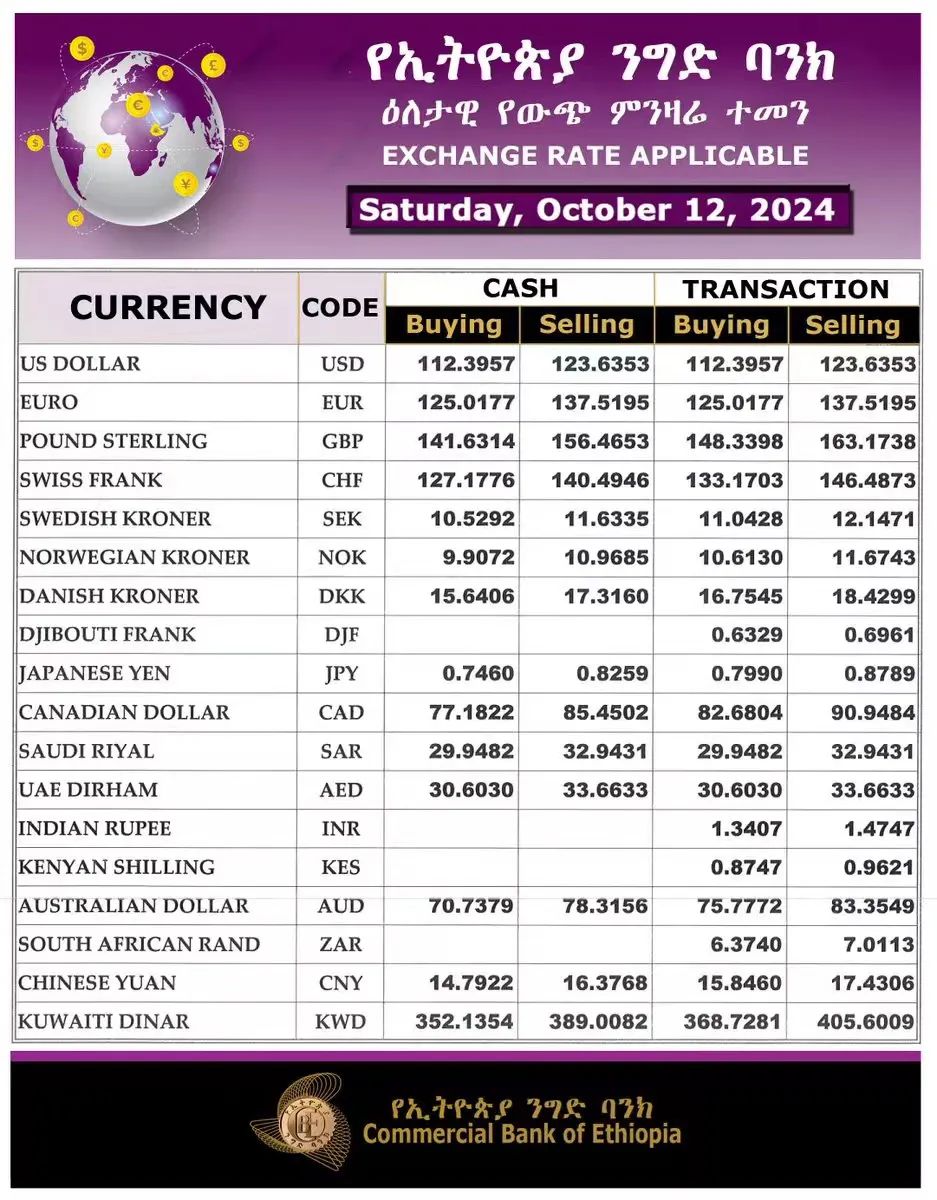
Since the implementation of the foreign exchange system reform in July 2024, the official exchange rate in Ethiopia briefly narrowed the gap with the black market rate, but it has recently shown signs of widening again. As of mid-October, the official exchange rate announced by the National Bank of Ethiopia was 1 US dollar to 116.97 birr, yet the black market rate had soared to 1 US dollar to 140 birr, further widening the disparity. This exchange rate rift has forced many businesses to turn to the black market for currency exchange despite legal risks, causing a sharp rise in overall operational costs.
The imbalance in exchange rates has directly impacted industries with high import dependency, including fertilizers, farming tools, and processing equipment needed for coffee cultivation. With higher import costs, these expenses are ultimately passed on to the coffee farming stage, resulting in an overall increase in the minimum selling price across the entire industry chain of about2%, reflecting the rise in overall production costs.
To alleviate foreign exchange pressures, the Ethiopian government is actively opening up the logistics sector to attract foreign investment, hoping to increase foreign exchange earnings and improve supply chain efficiency. Previously, the country had amended laws to allow foreign investment in finance, banking, import-export, and wholesale and retail sectors, and now plans to further deepen the opening of the logistics industry. The Ministry of Finance stated that the final stage of logistics market liberalization has been initiated, and through increased budget allocation, policy reforms, and enhanced international cooperation, a comprehensive upgrade of logistics infrastructure is underway.
At the policy forum “Logistics Transformation for Sustainable Growth and Prosperity,” Ethiopia’s Minister of Finance emphasized that strengthening logistics capacity is key to the country’s future development, with a particular focus on infrastructure such as roads. Currently, a significant portion of the budget has been allocated to road construction, and plans are in place to build new airports to enhance overall freight and international transport capabilities. Additionally, the government is working to improve logistics cooperation with neighboring Djibouti and seeking solutions to port access issues, which are crucial for Ethiopia, heavily reliant on the Port of Djibouti for exports.
However, for the coffee industry, logistics bottlenecks remain a major challenge. As a landlocked country, Ethiopia’s coffee exports are extremely dependent on the Port of Djibouti, and although the main railway within the country—the Ethiopia-Djibouti Standard Gauge Railway—is designed with an annual capacity of up to 10 million tons, its actual throughput is far below potential. Coupled with an average train speed of only about30 kilometers per hour, frequent disruptions from animals, human activity, and security issues result in inefficient transportation. Introducing foreign investment to improve the railway system and port connectivity could significantly reduce the transportation costs and time for coffee exports.
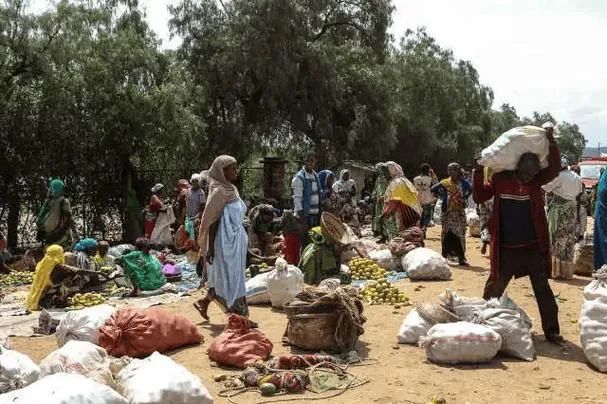
Meanwhile, as the gap between the official exchange rate and black market prices continues to widen, Ethiopia’s overall cost of living is rising steadily, further increasing the operational pressures on coffee cultivation and production. The increase in input costs for cultivation has also forced producers to adjust minimum selling prices to maintain basic profitability.
In addition, export-side challenges remain unresolved. Due to geopolitical factors, the Houthi rebels have recently intensified maritime blockades in the Red Sea region, leading to reduced shipping frequency at the Port of Djibouti and severe container congestion. At the same time, strained relations between Ethiopia and neighboring Somalia prevent the use of Somali ports as an alternative, further limiting export routes. If logistics and port issues are not effectively resolved, they will continue to affect the competitiveness and supply stability of Ethiopian coffee in the global market.
The above content is compiled by CoffeeHunters, a coffee news website.


