







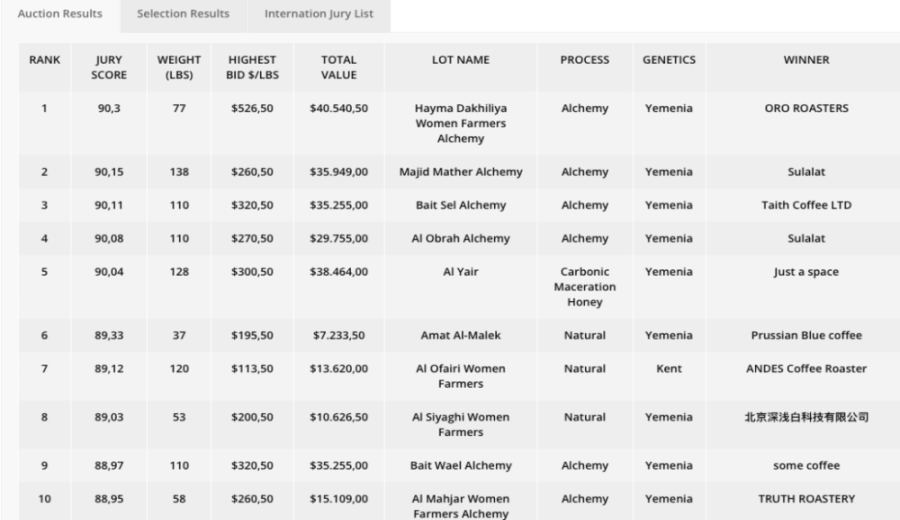
Introduction:Shocking news emerged from the 2024 Yemeni premium coffee auction, where a single pound sold for as much as $526.5, setting a new national record. These coffee beans, grown in an extremely arid environment, not only received international evaluations of over 90 points but were also snapped up by a buyer from the Middle East at an astonishing price. This article will delve into three major highlights behind the auction: the resilience of cultivation under climatic adversity, the pivotal role of female farmers, and the innovative attempt at honey processing.
Explosive news came from the 2024 Yemeni specialty coffee auction, where a single batch of coffee beans was sold for an astronomical price of $526.5 per pound (approximately $1,159 per kilogram), setting an unprecedented record in the country’s coffee auction history. The average price per kilogram at this auction reached $369, with the highest score breaking through the international specialty coffee threshold of 90 points, drawing significant attention from the global coffee industry.
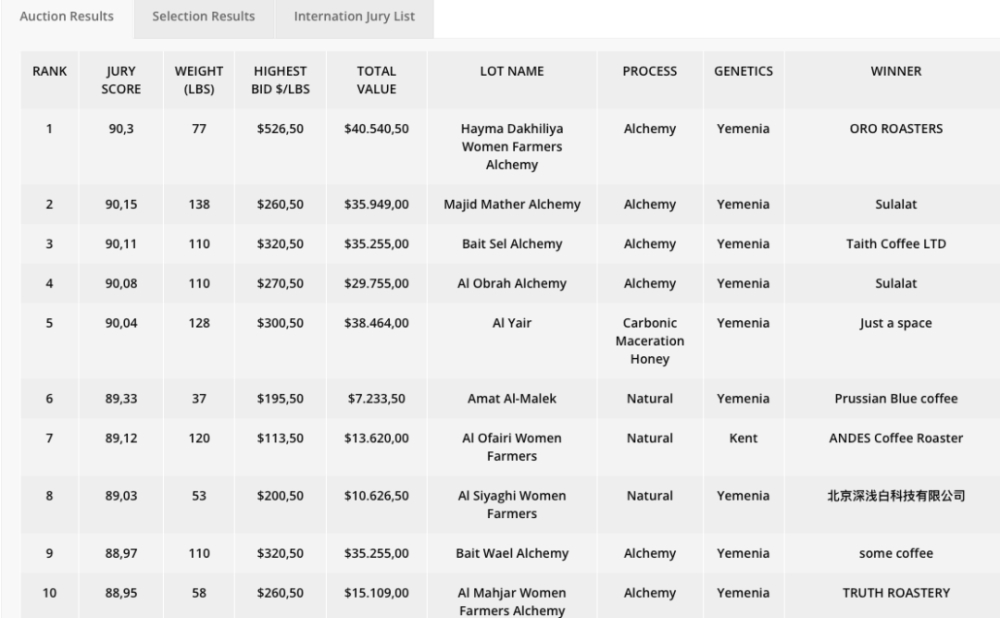
This auction, hosted by the non-profit organization Alliance for Coffee Excellence (ACE), attracted top buyers from around the world. The winning bid was successfully secured by a well-known Saudi Arabian roaster, highlighting the rapid rise of investment power in the Middle Eastern coffee industry. Notably, out of the 36 competing batches at this auction, 13 came from local women farmer groups, including the one that set the record-breaking high price.
As one of the oldest coffee-growing regions in the world, Yemen faces immense challenges in its growing environment.The region receives an average annual rainfall of only between 244 and 379 millimeters, far below the standard 1,400 millimeters typically required for coffee cultivation. Yet, it is precisely under such extreme arid conditions that Yemeni coffee farmers, through generations of accumulated wisdom, have cultivated resilient varieties with unique flavors. The results of this auction are the best affirmation of their cultivation techniques.
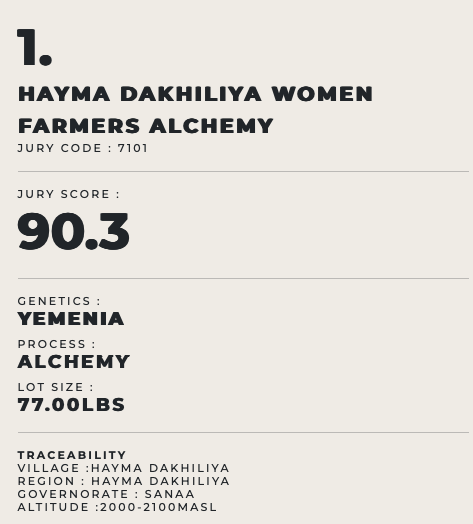
Another highlight of this auction was the crucial role played by female farmers in the industry chain. Coffee beans grown by a women’s agricultural group from the Sana’a area, the capital region, ultimately sold for a record-breaking price. Katibah, a farmer from the participating Hayme Dakhliya community, said excitedly: “This is the first time we’ve sold coffee outside of Yemen. Receiving international recognition makes us feel incredibly honored.” Her sharing reveals the growing influence and professionalism of Yemeni women in the traditionally male-dominated agricultural sector.
In terms of technological innovation, this auction saw the first appearance of coffee beans processed using the honey method. This processing technique, which requires little water, is perfectly suited to Yemen’s arid natural environment. Compared to traditional washed or natural processing methods, honey processing retains more of the mucilage layer, giving the coffee beans a richer sweetness and complexity. Industry experts point out that this innovation not only addresses Yemen’s water resource constraints but also provides new ideas for coffee processing in drought-prone regions worldwide.
The auction results reflect several important trends: the outstanding adaptability of Yemeni coffee in extreme environments, the positive contribution of women in agricultural production, and the innovative breakthroughs in traditional processing techniques. These achievements not only enhance the international reputation of Yemeni coffee but also set a new benchmark for the global specialty coffee industry. For coffee enthusiasts, understanding these behind-the-scenes stories helps to better appreciate the unique regional flavors and human elements in every cup of Yemeni coffee.
The above content is compiled by CoffeeHunters, a coffee news website.


