







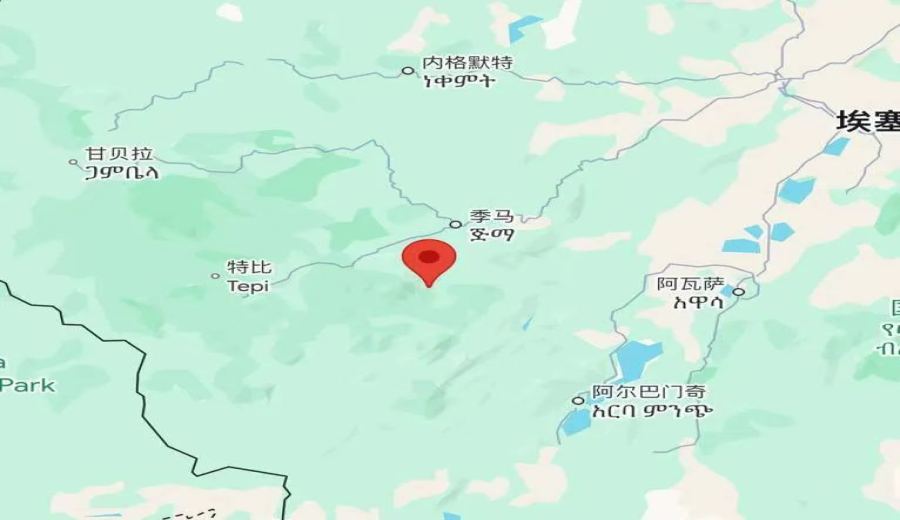
Introduction:A recent landslide in Ethiopia’s Konta Zone has claimed the lives of six people, with the area being close to key coffee-producing regions such as Djimmah and Kaffa. Beyond the tragic loss of life, continuous rainfall has led to delays in coffee harvesting and transportation difficulties, further impacting both production and exports. This article delves into the actual effects of the disaster on the coffee supply chain, while also examining challenges such as exchange rates, fertilizer costs, and climate change—along with potential silver linings brought by the delay in the EU’s EUDR regulation and price adjustments.
A serious landslide has struck Ethiopia’s southwestern Konta Zone, claiming at least six lives in an area near the country’s important coffee-growing regions of Djimmah and Kaffa. According to local police, the disaster occurred in the Ameya district after days of heavy rain, triggering a sudden mudflow in the early morning that primarily affected two households—one losing four family members and the other two.
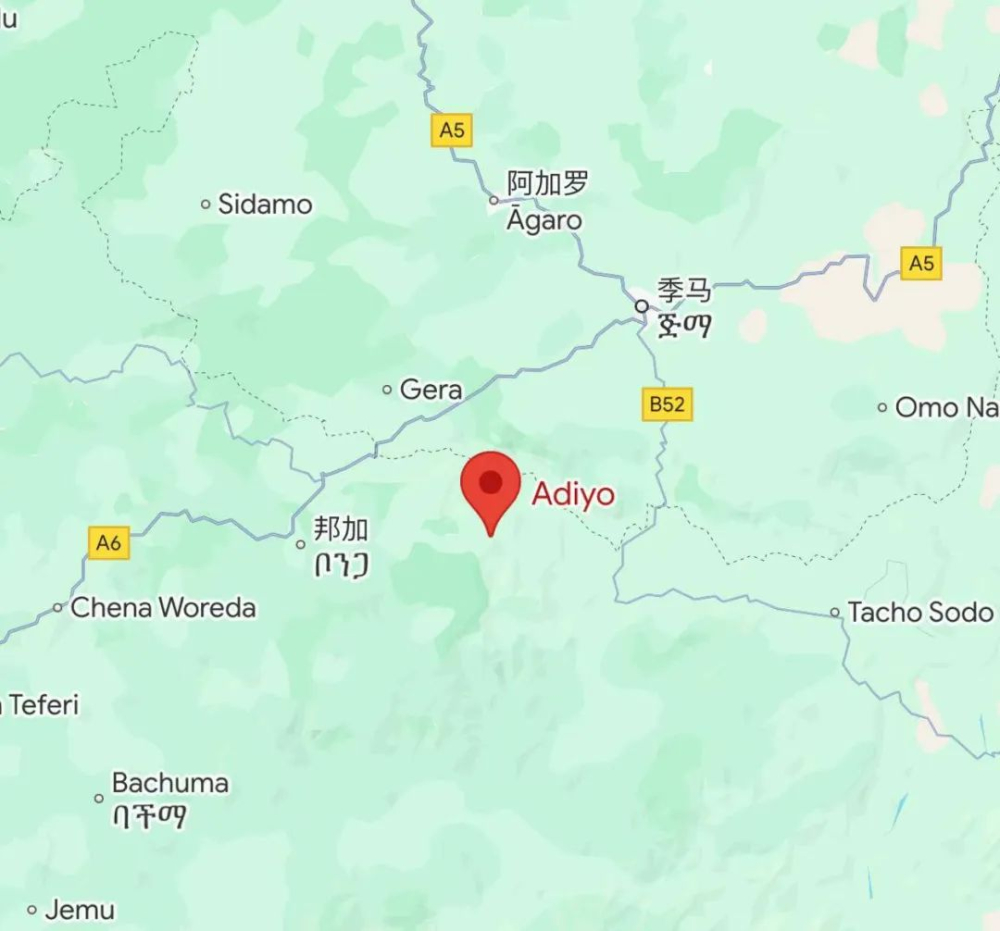
Rescue teams have so far recovered five bodies, but several people remain unaccounted for. Ongoing rainfall and dense fog at the site have made rescue operations extremely difficult, forcing them to proceed intermittently. Notably, another landslide was reported in the Adiyo district within the Konta Zone, but due to poor weather conditions, the full scale of the damage and casualties is still unconfirmed.
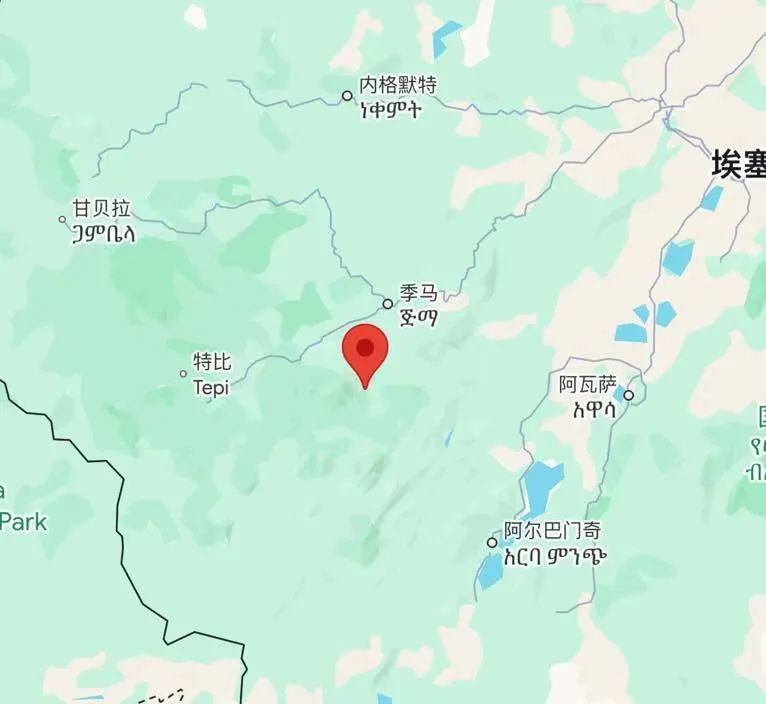
In fact, this is not the first time this year that the region has been hit by severe landslides. From July to September, multiple mountainous areas including the Gofa Zone have experienced at least two major landslides due to heavy rainfall, with some rescue efforts even leading to secondary disasters, cumulatively resulting in approximately 300 deaths. Geological experts suggest that this wave of disasters is directly linked to the intense rainfall and subsequent floods from April to May this year, which left the soil overly saturated and the ground unstable—making it particularly prone to landslides during the major rainy season from June to October.
The affected Konta Zone is located near Ethiopia’s renowned coffee-growing areas of Djimmah and Kaffa, serving as one of the country’s significant hubs for commercial coffee bean production. The main coffee harvesting season typically runs from October to March each year, but this year, continuous heavy rains have forced harvest activities in some areas to be postponed. Many coffee farms have also suffered damage to plants and infrastructure due to flooding and landslides, thereby affecting overall yield.
Moreover, landslides and floods can disrupt roads leading to major towns and ports, severely delaying the logistics of transporting coffee beans from production areas to the capital and export harbors—putting notable pressure on the entire supply chain.
Currently, Ethiopia’s coffee industry faces not only natural disasters but also multiple other challenges. Domestically, armed conflicts in the northern Amhara region remain unresolved, and occasional violent incidents in the Oromia Region around the capital continue to significantly impact social security and economic activities. Additionally, since July this year, the Ethiopian government has adjusted its foreign exchange policy, leading to a sharp depreciation of the national currency, the birr, which has further driven up domestic prices.
On the international front, the World Bank warns that escalating tensions in the Middle East could lead to continued increases in global fertilizer prices. As Ethiopia relies on fertilizer imports, cultivation costs have consequently risen. Coupled with the Red Sea shipping crisis pushing up transport expenses and a reduction in container ships at the port of Djibouti, the overall costs of coffee cultivation and export have increased even further.
From a climate perspective, the market is also closely monitoring the development of the La Niña phenomenon. Experts indicate that after November, when Ethiopia enters its dry season, an intensified La Niña effect could worsen drought conditions, affecting the growth and harvesting of coffee trees and further reducing yields.
Despite the numerous challenges, there are some positive signals emerging in the market. Recent stabilization of rainfall in Brazil’s major coffee-growing regions has helped stabilize global supply. Additionally, the delay in the implementation of the EU’s EUDR (Deforestation-free Regulation), along with coffee spot prices easing from their highs, has slightly alleviated export pressures. Notably, the Ethiopian Coffee and Tea Authority has announced a 0.5% reduction in the minimum export price limit for coffee, which helps enhance export competitiveness and offers more attractive trading terms for international buyers.
Overall, Ethiopia’s coffee industry is at a critical juncture where multiple variables intersect—from regional safety and weather disasters to fluctuations in the international market. For consumers and traders alike, understanding these underlying factors can help make more informed purchasing and tasting decisions.
The above content is compiled by CoffeeHunters, a coffee news website.


