







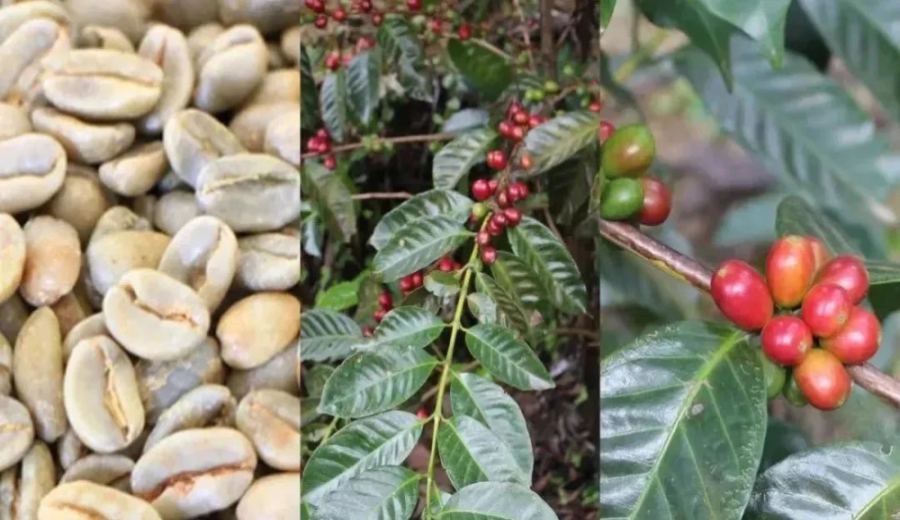
Introduction:The coffee grading system at Gesha Village Estate is a benchmark in the industry. From auction-grade lots to the Chaka blend, each grade has its unique flavor profile and selection criteria. This article delves into the characteristics, origins, and evaluation methods of the five main coffee grades at Gesha Village Estate, helping you fully understand the grading logic behind these top-tier coffees and how to choose the most suitable Gesha coffee based on your needs.
In 2005, Panama’s Hacienda La Esmeralda won first place in the "Best of Panama" competition with the Geisha variety. This coffee impressed judges with its delicate floral aromas, bright jasmine notes, and layered fruitiness of peach and bergamot, setting a world auction record at the time with a price of $21 per pound, making the Geisha variety an overnight sensation.
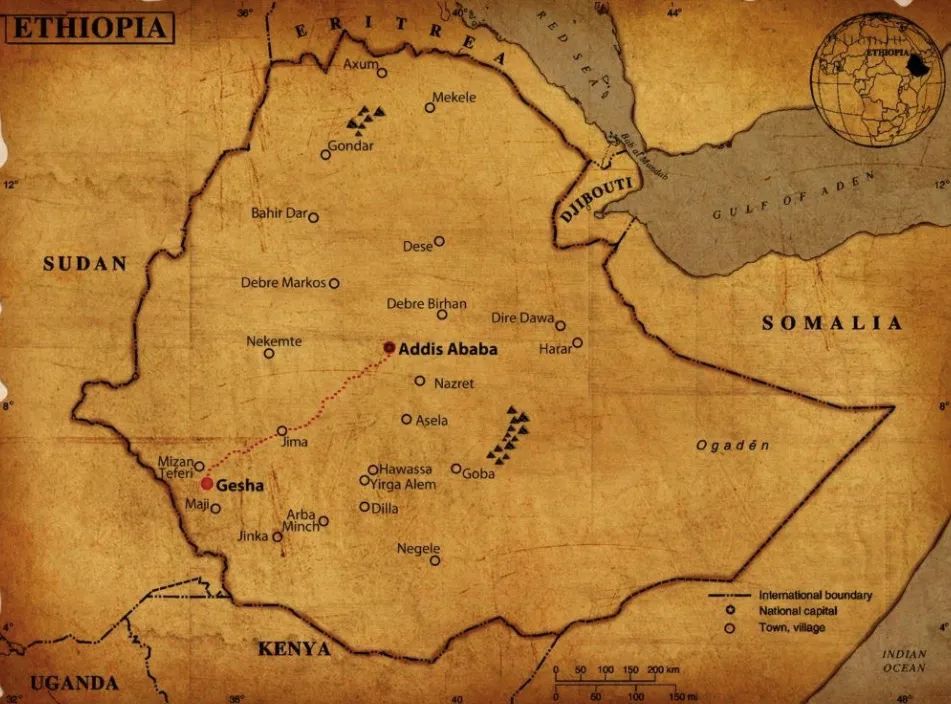
The Geisha (瑰夏) variety can be traced back to the 1930s, originating near the Gesha region by the Kafa Forest in southwestern Ethiopia. Initially noted for its good disease resistance, it was later introduced to various regions through multiple transfers before finally showcasing its remarkable potential in Panama. In 2007, director Adam Overton and his photographer wife Rachel Samuel, while filming a documentary in Ethiopia’s Bench Maji region, accidentally discovered the Gori Gesha Forest, which inspired their idea to establish their own coffee estate.
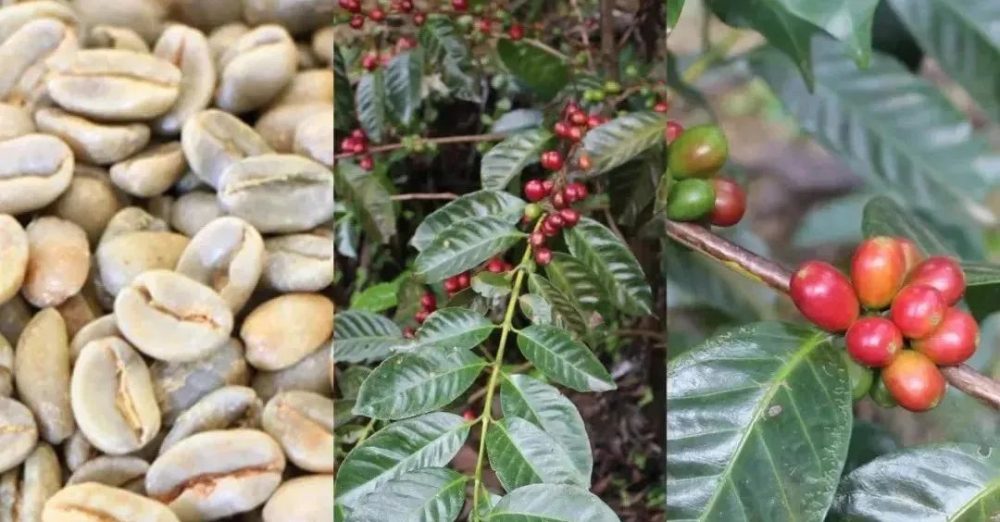
In 2011, the couple partnered with Willem, the owner of Panama’s Hacienda La Esmeralda, to establish "Gesha Village Coffee Estate" in Ethiopia’s Bench Maji region—now widely known as Gesha Village Estate. Covering 500 hectares, the estate includes a professional processing facility and a varietal laboratory, far surpassing the scale of typical smallholder coffee farms in the area.
Gesha Village Estate currently cultivates three main varieties: Gesha 1931, Gori Gesha, and Illubabor Forest 1974. Among them, Gesha 1931 is a descendant of the original Ethiopian Geisha lineage, named for its genetic similarity to the renowned Geisha variety in Panama. It is primarily planted in the Oma, Surma, and Narsha plots. Gori Gesha is a wild variety found in the nearby Gori Forest, 12 miles from the estate, and is planted in the Bangi, Shewa-Jibabu, and Shaya plots. Illubabor Forest 1974 is a disease-resistant variety developed by Ethiopia’s Coffee Research Center in 1974 and is currently only cultivated at Gesha Village Estate.
Rather than using Ethiopia’s traditional grading system, Gesha Village Estate refers to the systems of renowned Panamanian estates and classifies its coffee into five grades based on quality and origin: Auction Grade, Gold Label, Red Label, Green Label, and Chaka Grade.
The Auction Grade (Champion's Reserve / Farm Reserve) represents the flagship offerings of Gesha Village Estate, accounting for only about 3.7% of annual production. These beans undergo multiple rigorous selections and represent the highest quality of the year. This grade is further divided into "Champion's Reserve" and "Farm Reserve," both available exclusively through official auctions, making them highly sought-after by collectors and competition-level roasters.
The Gold Label (Rarities) accounts for approximately 10% of annual production. Though slightly below the Auction Grade, it remains a high-caliber specialty coffee often used by international coffee competition participants. Its flavor performance is exceptional, making it ideal for coffee enthusiasts pursuing ultimate taste experiences.
The Red Label (Growers Reserve) makes up 15% of annual production. To qualify, coffees must score 88 or above on the SCA (Specialty Coffee Association) cupping system. This grade of Gesha coffee typically features clear floral and fruity notes with rich complexity, making it a common premium choice in many specialty coffee shops.
The Green Label (Single-Terroir) emphasizes the pure expression of a single plot and a single variety. While there is no cupping score threshold, its flavor characteristics are distinctive, making it suitable for coffee enthusiasts eager to explore the unique traits of different plots and varieties. This grade highlights regional terroir rather than a single high score.
The Chaka Grade (Chaka) is a blended coffee launched by Gesha Village Estate, combining beans from all plots and varieties on the estate. Instead of highlighting any single characteristic, it presents an integrated expression of the overall terroir. "Chaka" means "forest" in ancient Ethiopian, symbolizing that this blend captures the essence of the pristine forests surrounding Gesha Village Estate. It’s suitable for those trying Geisha for the first time or those who prefer a balanced, diverse flavor profile.
Understanding the grading logic of Gesha Village Estate’s various grades helps you select the most suitable Gesha coffee based on your budget, brewing method, and flavor preferences. Whether it’s the rare experience of the Auction Grade or the everyday enjoyment of the Green Label and Chaka Grade, you can experience the endless charm of the Geisha variety.
The above content is compiled by CoffeeHunters, a coffee news website.


