







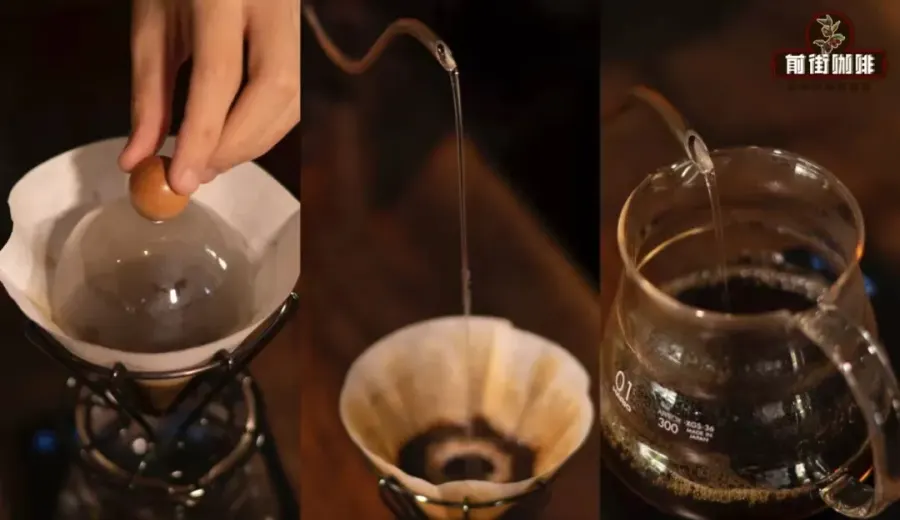
Introduction:A water temperature of 100°C, a blooming time of 180 seconds, and a coffee-to-water ratio of 1:5—these seemingly extreme parameter combinations are the core characteristics of the Japanese Matsuya-style pour over method. Developed in 1962, this brewing technique achieved stable extraction results through unique operational skills, even in an era without electronic scales or thermometers. This article will delve into the design rationale behind these extreme parameters and explore why it became so popular among Japanese coffee enthusiasts at the time.
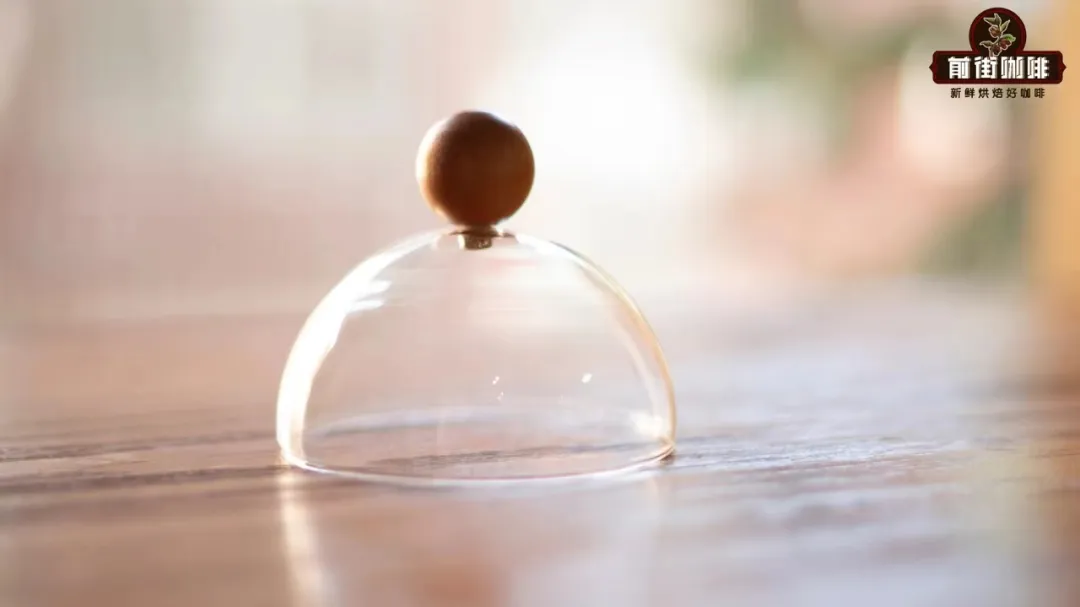
In the world of pour over coffee, the Matsuya-style brewing method stands out with its highly challenging parameter settings. Using100°C boiling waterfor direct brewing,a blooming time as long as 180 seconds (three minutes),andan ultra-high coffee-to-water ratio of 1:5,these figures far exceed conventional brewing standards. What’s more, the method also involves using a lid to assist with blooming, pouring from a high position, and incorporating a significant amount of bypass water.
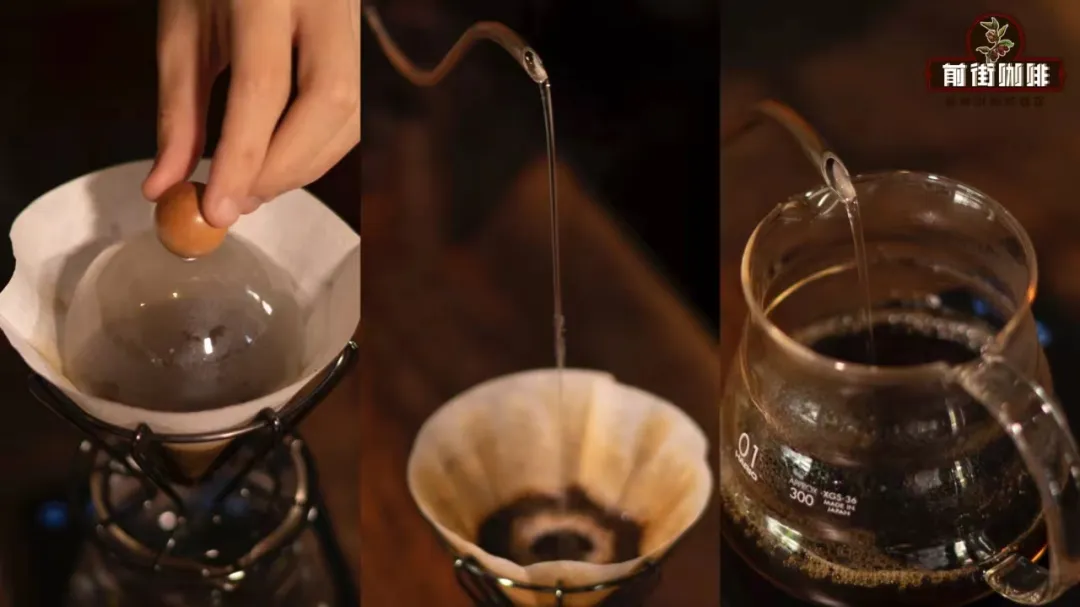
Despite the seemingly extreme parameter settings, this method was able to consistently produce uniquely flavored coffee beverages at the time, and even became a standard brewing approach for many coffee enthusiasts in Japan. What is it about this seemingly unconventional operation that allows for the production of coffee with stable quality? Let’s take an in-depth look at the design logic behind the Matsuya-style brewing method.
The Matsuya-style brewing method was developed in 1962 by Mr. Yasukazu Matsushita in pursuit of brewing stability. At the time, precise measuring tools such as thermometers and electronic scales were not yet widely available, making it difficult for coffee enthusiasts to control the various parameters of each brew as accurately as we can today.
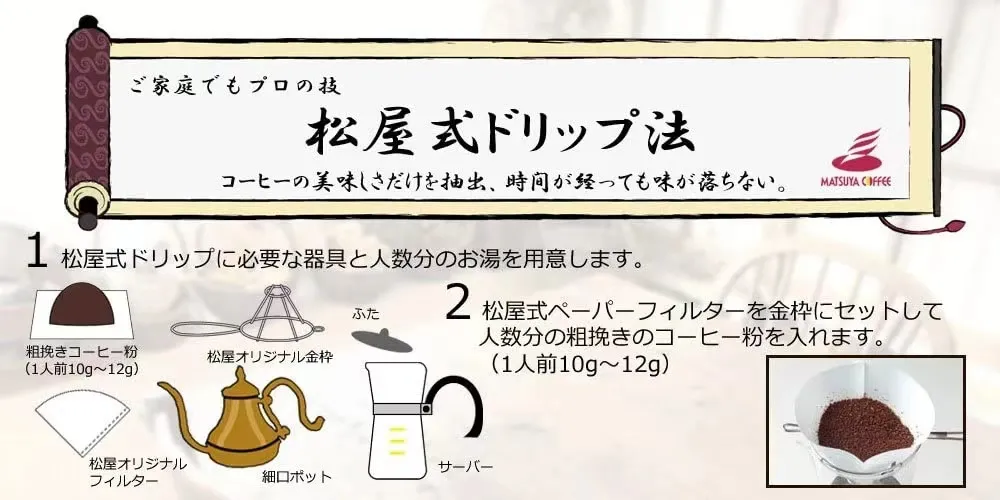
For this reason, the Matsuya-style brewing method emerged as a solution, utilizing a series of alternative operational techniques that allowed users to maintain consistency in brewing results even without precision instruments. This is also why the method gradually evolved into a relatively systematic brewing system in Japan at the time.
The use of boiling hot water for direct brewing was precisely based on this consideration: in the absence of a thermometer, the temperature of boiling water is the easiest to grasp and relatively constant heat source. This also gave rise to the visually striking “high-position pouring” technique, which is unique to the Matsuya-style method.
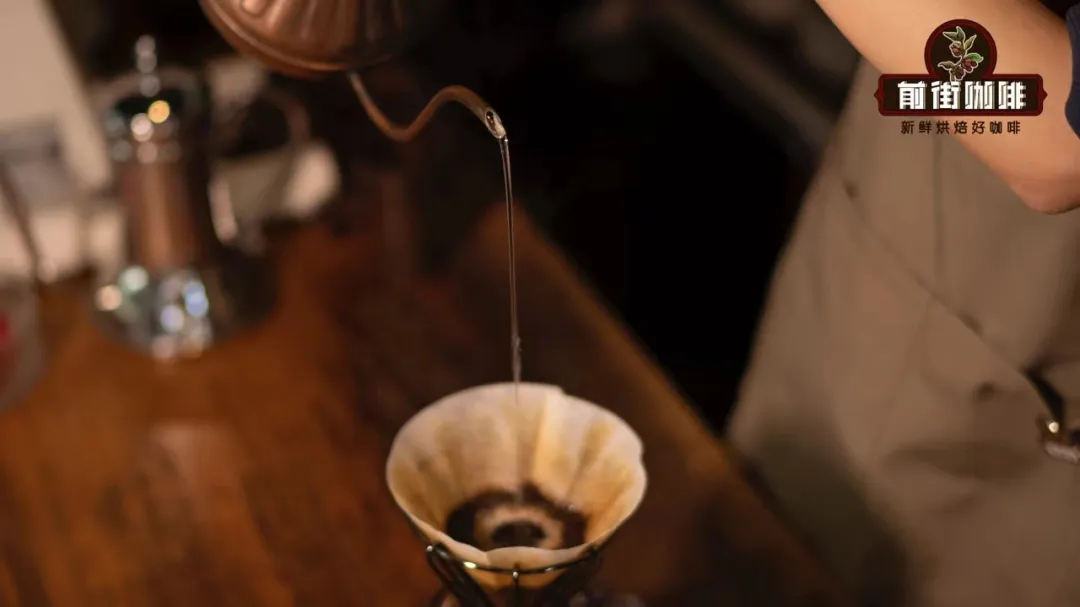
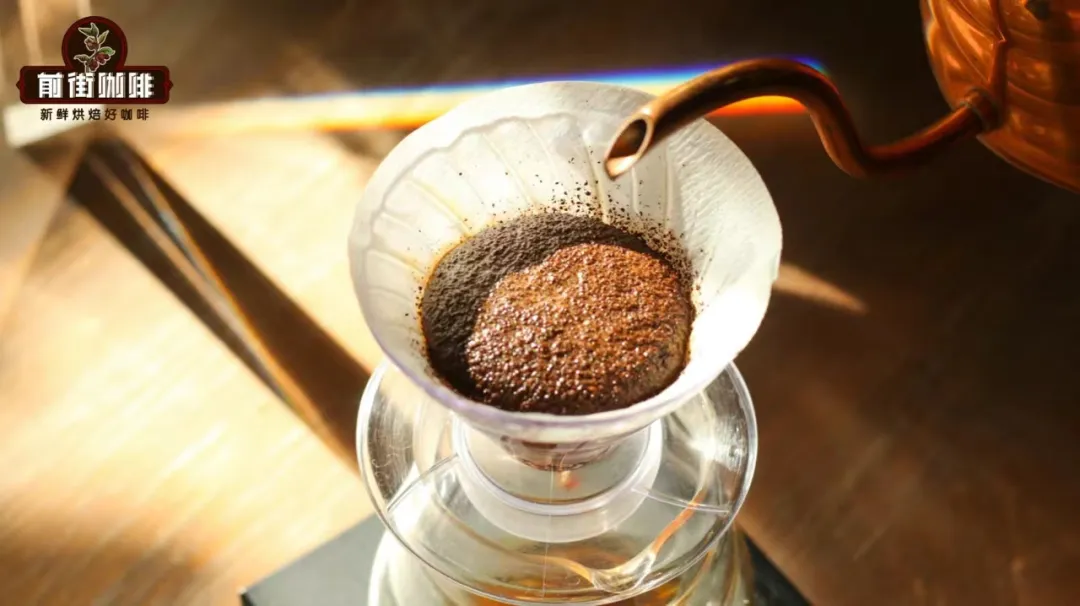
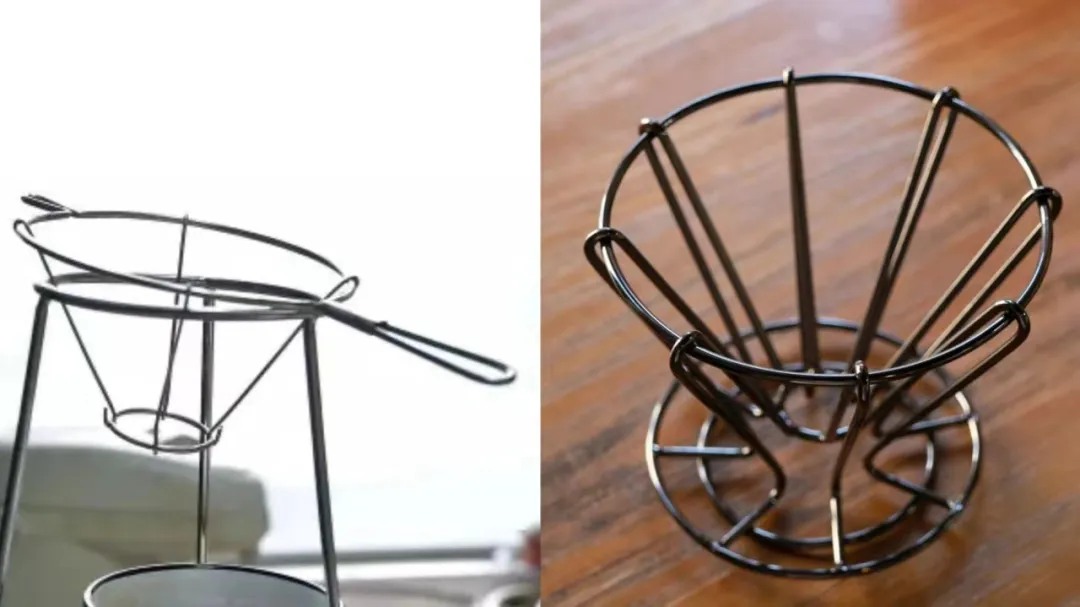
Through practical replication of the Matsuya-style brewing method, it can be observed that high-position pouring is not only performative, but the resulting cooling effect of the water stream and natural agitation effect恰好 compensate for the inability to precisely control water temperature. The three-minute blooming process combined with the use of a lid effectively stabilizes the extraction of early-stage flavor compounds in the coffee. As for the addition of bypass water, it is not merely a dilution measure, but a necessary adjustment made on the basis ofthe high-concentration coffee-to-water ratio of 1:5to achieve a more balanced and drinkable final cup.
These seemingly extreme parameter settings and operational steps are, in fact, closely interconnected, all serving the core goal of “stable extraction.” From water temperature control to blooming time, and then to adjustments in the coffee-to-water ratio, each step has been meticulously designed to achieve relatively stable brewing results under conditions lacking modern measurement tools.
The above content is compiled by CoffeeHunters, a coffee news website.


