







Introduction:To achieve a pour over coffee with pronounced sweetness and gentle acidity, the key lies in understanding the relationship between roast level and flavor development, as well as mastering the correct extraction parameters and techniques. This article starts with the origin of coffee sweetness, analyzes how acidity and sweetness change during the roasting process, and uses a light-roasted natural-processed bean as an example to break down practical skills such as brew ratio, water temperature, and pulse pouring. This will help you brew high-quality pour over coffee with rich layers and a sweet aftertaste.
Many pour over enthusiasts hope to brew coffee that achieves a balance between acidity and sweetness, with a prominent sweet note, rather than just sharp acidity or a single note of bitterness. However, where does the sweetness in coffee actually come from? How do different roast levels affect the expression of acidity and sweetness? And in daily brewing, what practical techniques can enhance sweetness and suppress unwanted astringency or sourness? This article will start with the basic composition of coffee flavors, explore how roasting influences sweetness and acidity, and demonstrate through a light-roasted natural-processed bean how to use brew ratio, water temperature, and pulse pouring to produce a pour over coffee with harmonious acidity-sweetness balance and noticeable sweetness.
 From experience interacting with customers, many beginners often hesitate between “preferring more acidic or less acidic coffee.” In the early days, most people leaned toward coffee that was less acidic or even slightly bitter, but with the growing popularity of specialty coffee, an increasing number of consumers have begun to appreciate coffee with fruity acidity—especially light-roasted beans, which have become a popular choice in the pour over community.
However, compared to purely sharp acidity, the public actually prefers a balanced taste that combines acidity with sweetness. This is why many people are dedicated to researching how to make light-roasted beans exhibit more pronounced sweetness, or discussing how to adjust brewing conditions to make the overall flavor of coffee rounder and sweeter.
The “sweetness” of coffee isn’t just about taste—it also comes from contributions in the aroma profile. Those who have participated in cuppings may recall that acidity and sweetness scores are often adjacent, indicating they are perceived simultaneously during sipping. When we say a coffee is “sweet,” we’re not just referring to the sweetness on the tongue, but also the sweet aromas perceived nasally. Therefore, a high-quality coffee is often a work that, within a balanced acidity-sweetness profile, carries a rich aromatic foundation. And roasting is one of the key factors that determine the ratio of sweetness to acidity.
 During the roasting process of coffee beans, sweetness is one of the first flavor attributes to be activated, followed closely by acidity. Generally speaking, as roast time lengthens and roast level deepens, sweetness gradually increases, reaching its peak in medium to dark roast ranges, after which it declines rapidly. Therefore, if evaluating sweetness from a roasting perspective, medium roast is often the ideal range that retains more sweetness.
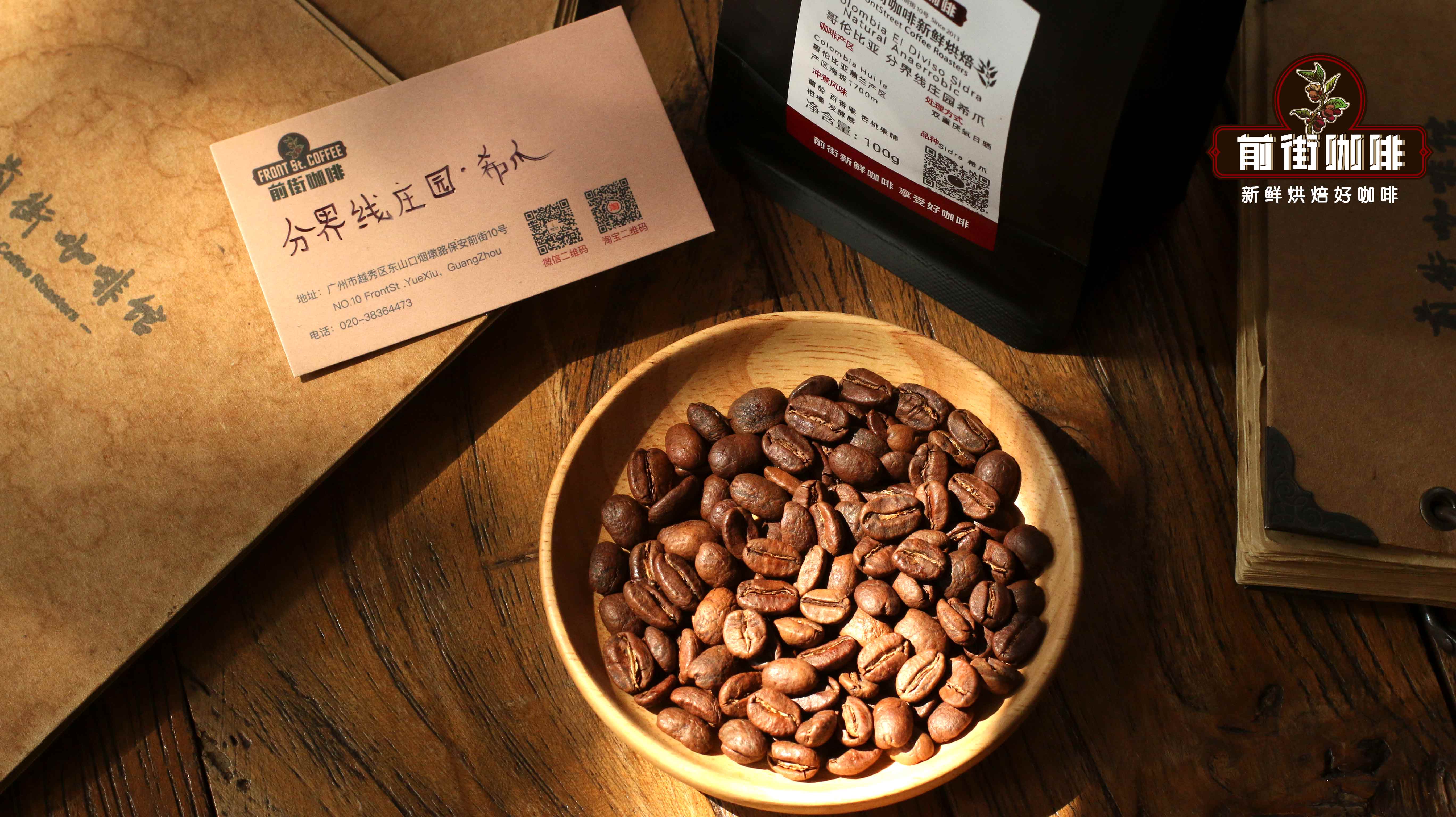
For the average consumer, although you can’t directly influence the roaster’s recipe design, you can infer the sweetness potential of beans based on flavor descriptions. For example, readers who are new to high-sweetness coffee might consider starting with blends like “Strawberry Candy · Geisha Blend,” or single-origin beans with distinct honey or anaerobic natural processes such as blackberry or Sidama—these usually carry grape, cantaloupe, dried fruit, and fermentation aromas, with prominent sweet notes and gentle acidity.
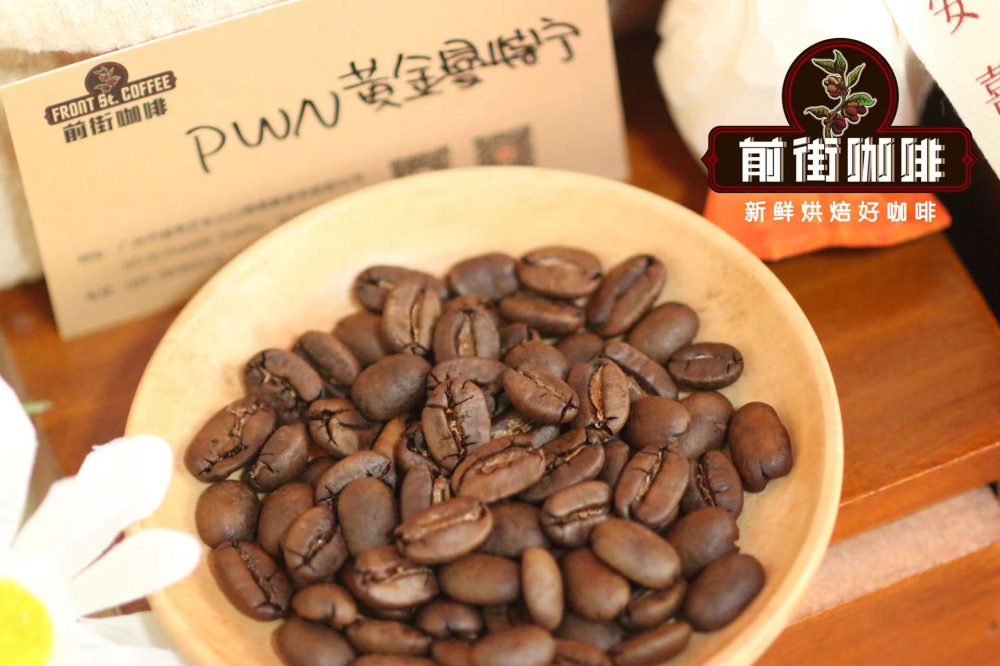
If you prefer a fuller body with a lingering sweet finish, medium-dark roasted single-origin beans such as Golden Mandheling, Queen Estate, or Blue Mountain No.1, which feature nutty, toffee, and chocolatey sweet notes, can better highlight the sweet characteristics.
It’s worth noting that acidity is often extracted earlier than sweetness. The general pour over extraction process can be divided into three stages: the first stage releases light molecular compounds like floral and fruity acidity; the second stage mainly consists of caramelization products, including sweet elements such as vanilla, cane sugar, chocolate, and nuts; the final stage extracts larger molecules, which can easily lead to negative flavors like woody, sharp, or bitter notes.
 Therefore, to bring out the sweetness in coffee, the key lies in increasing the extraction proportion of sweet compounds—that is, adopting a brewing strategy of “suppressing bitterness and highlighting sweetness.” For light-roasted beans, if you want to preserve clear floral and fruity aromas while enhancing sweetness, it’s essential to control the expression of acidic aromas in the first stage and precisely manage the release rhythm of sweetness in the second stage.
Below, we’ll use a light-roasted natural-processed coffee bean with noticeable sweetness as an example to explain how to achieve a high-sweetness, low-acidity extraction by adjusting brew ratio, water temperature, and pulse pouring.
Coffee Bean: Sidama – Colombia · Frontier Estate
Dose: 15 grams
Brew Ratio: 1:16
Grind Size: Regular fine grind (approximately EK43s setting 10)
Filter: V60
Water Temperature:93°C
Pulse Pouring: Four pours (30g / 70g / 70g / 70g)
Step 1: Pour 30g of hot water for the bloom, for about 30 seconds, ensuring all coffee grounds are evenly saturated to reach a pre-extraction state;
After 30 seconds, switch to a slow small stream (about 4ml/s), slowly circling clockwise from the center, pour the second 70g of water. This stage mainly helps the coffee continue degassing and lifts the coffee bed to about 3/5 of the filter height. Total time is about 55 seconds, with the scale showing 100g;
When the liquid surface is about to expose the coffee bed, begin pouring the third 70g of water, using the same stable small stream at 4ml/s. You can slightly enlarge the circle range at this point, which helps extract more sweetness compounds. It’s recommended to complete this in 1 minute 15–20 seconds, with the scale showing 170g. Be careful not to pour too fast, causing the water level to rise too high, and maintain a steady flow rate;
Finally, when the coffee bed is exposed again, pour the last 70g of water. The technique is similar to the second pour, but it’s recommended to reduce the circle range to prevent over-agitation of the coffee bed, which could lead to uneven extraction. Aim to complete pouring around 1 minute 45 seconds. Total water used is 240g, with the entire process taking about 2 minutes 12 seconds.
Through these brewing parameters and pulse design, the brewed natural Sidama offers an immediately noticeable ripe fruit sweetness—such as blackcurrant, melon, sugarcane, and blueberry jam—paired with gentle and layered acidity, a fuller body, and a delicate rose-like aroma in the aftertaste. Even as the coffee cools, the sweetness remains rich, with an overall balanced and memorable flavor profile.
The above content is compiled by CoffeeHunters, a coffee news website.


