







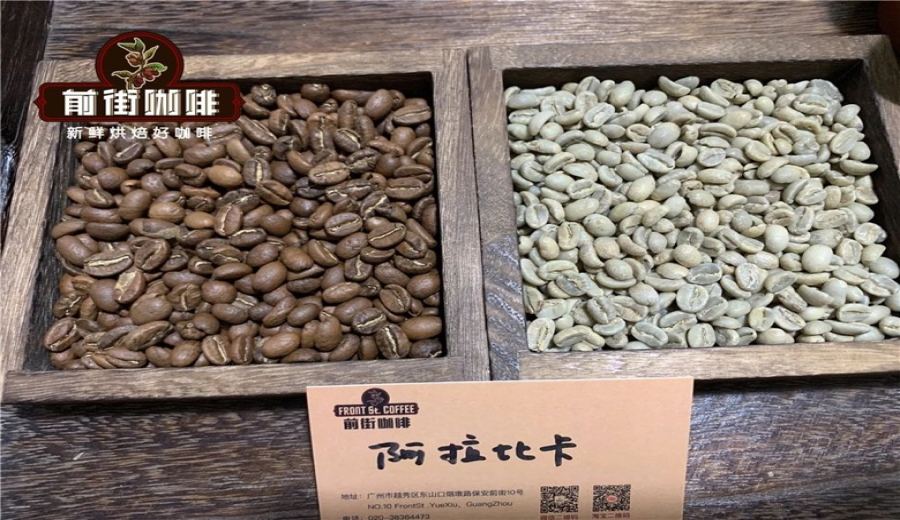
Introduction:Arabica coffee boasts a wide variety of cultivars, and their performance in espresso can vary significantly. This article delves into the unique flavor characteristics of representative varieties such as Typica, SL28, Geisha, and Caturra when used to make espresso, exploring aspects from sweetness and acidity to aroma layers—helping you choose the right beans based on your taste preferences and enhance both extraction quality and drinking experience.
The Arabica family includes numerous cultivars, each with its own distinct personality and optimal processing methods. When making espresso, differences between cultivars directly impact extraction results, with sweetness, acidity, and aroma expression all closely tied to the cultivar’s inherent traits. Understanding how a few classic cultivars perform in espresso can give you clearer direction when selecting coffee beans.
Typica is one of the oldest cultivars within Arabica, renowned for its clean flavor and pronounced sweetness. Many renowned growing regions primarily cultivate Typica, such as Papua New Guinea’s Bird of Paradise, which shares origins with Blue Mountain and is grown in volcanic soil at altitudes of 1,600 to 1,800 meters. After undergoing triple water fermentation, it delivers a pure taste with outstanding sweetness. When used for espresso, its sweetness remains stable and the mouthfeel is smooth, earning it the nickname “Little Blue Mountain.” Similarly impressive is the Typica from Yunnan, where a coffee brand released a naturally processed Typica in 2013. With medium-dark roasting, it exhibits aromas of citrus and caramel, a soft yet layered acidity, and retains excellent sweetness even after extraction.
SL28 and SL34 are classic Kenyan cultivars, famous for their intense fruit acidity and rich juiciness. These two cultivars often feature bright acidity, such as in a certain coffee brand’s Kenyan Little Tomato, which uses SL28 and SL34 processed with 72-hour double water fermentation. When made into espresso, the flavors of cherry tomatoes and black plums are distinctly noticeable, with a solid and vibrant acidity. If you enjoy single-origin beans (SOE) with prominent fruity notes, these cultivars are an excellent choice. However, note that the SL series tends to have brighter acidity, so it’s recommended to ensure sufficient extraction time and uniform particle flow during brewing to avoid overly sharp acidity.
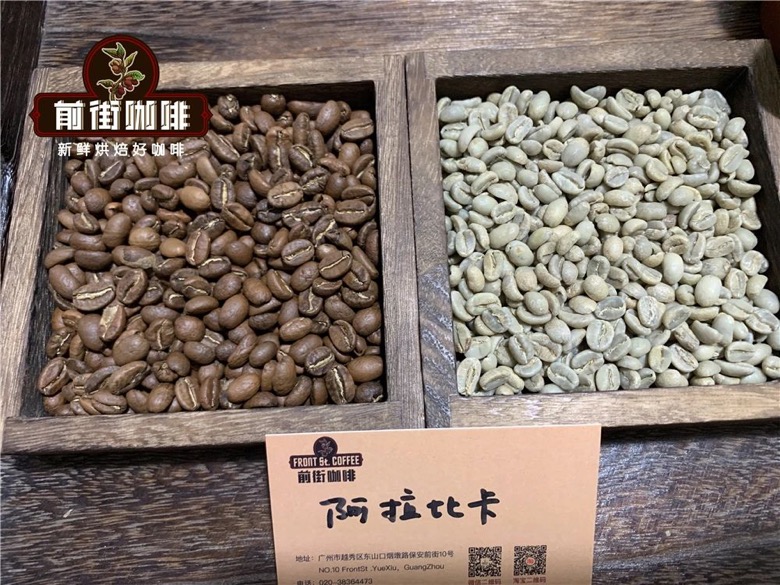
Geisha is arguably the star cultivar among Arabicas, widely praised for its elegant jasmine floral notes and delicate flavor layers. The Red Label Geisha from Panama’s Hacienda La Esmeralda is a prime example. When used for espresso, its jasmine aroma, along with scents of citrus and bergamot, is clearly distinguishable. The taste is clear and transparent, with a long-lasting finish—perfect for coffee enthusiasts seeking deep flavor profiles. Though Geisha is relatively high in price, occasionally using it to craft a premium espresso can deliver a highly ritualistic drinking experience.
Caturra is a widely cultivated cultivar across Central and South America, valued for its high yield, balanced flavor, and stable sweet-and-acid profile, often playing a flavor-enhancing role in blends. For instance, a certain coffee brand’s Autumn Chestnut blend uses Honduran Caturra and Papua New Guinean Typica. Together, they present a warm, delicate richness, with a nutty sweetness reminiscent of roasted chestnuts, accompanied by the deep sweetness of caramel and muscovado sugar.
In summary, the performance of different cultivars in espresso primarily depends on their innate flavor traits, complemented by appropriate roasting and extraction parameters to fully realize their potential. The Typica lineage is characterized by its clean sweetness, the SL series shines with its vivid fruit acidity and juiciness, Geisha showcases delicate and refined floral notes and aroma layers, while Caturra serves as a reliable partner in blends with its stable and balanced flavor. Understanding the personalities of these cultivars can help you select beans that better suit your taste, further elevating the quality and enjoyment of your espresso.
The above content is compiled by CoffeeHunters, a coffee news website.

