







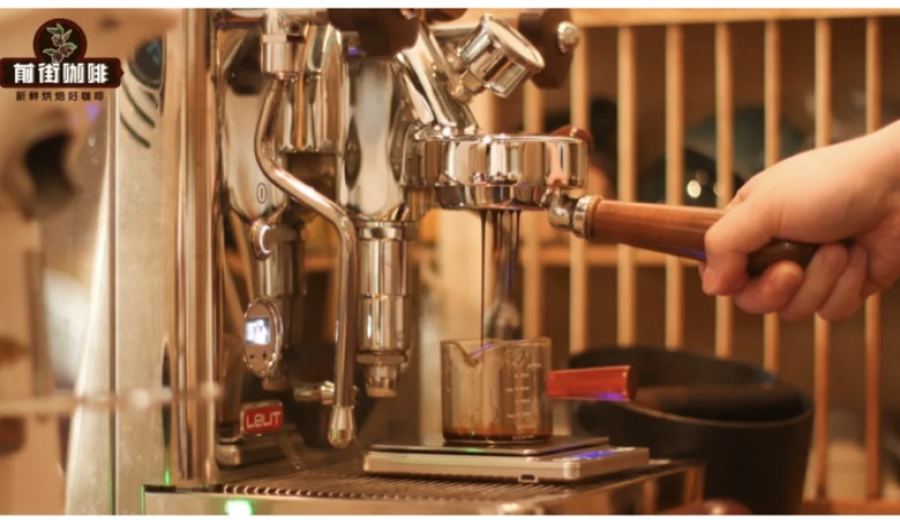
Introduction:Brewing SOE (Single Origin Espresso) at home using a semi-automatic espresso machine not only allows you to deeply explore the unique characteristics of beans from different regions, but also enables you to craft your own coffee flavor profile by adjusting grind size and extraction parameters. This article will guide you through practical aspects such as bean variety selection, flavor profiles, and extraction techniques, helping you consistently pull bright and layered SOEs with a home machine, and take your exploration of coffee’s diverse possibilities even further.
Using a home semi-automatic espresso machine to challenge yourself with Single Origin Espresso (SOE) has become one of the joys for many coffee enthusiasts looking to improve their brewing skills. Compared to common blends, SOEs use beans from a single origin, making it possible to more clearly highlight the unique flavors imparted by that region’s soil, climate, and processing methods. Although home machines may not control pressure and water temperature as precisely as professional equipment, as long as you choose the right bean variety and carefully adjust the parameters, you can still fully showcase the charm of an SOE.
When selecting an SOE bean suitable for home machine use, “clear flavor expression and ease of extraction” should be your top priority. Single-origin beans often have strong flavor personalities; if the acidity is too high or the sweetness insufficient, the espresso may turn out sharp or unbalanced. For example, a certain brand’s “Brazilian Queen Estate” beans feature distinct notes of nuts and cocoa, along with a natural caramel sweetness, resulting in a smooth and well-rounded profile—making it an excellent choice for beginners trying SOEs. On the other hand, “PWN Indonesian Golden Mandheling,” a representative of dark roasts, has extremely low acidity with rich flavors of dark chocolate and herbs, ideal for those who prefer a bold and full-bodied taste.
If you prefer fruit-forward SOEs, a home machine can still deliver impressive results. For instance, “Colombia Gesha” beans, which undergo a double anaerobic natural process, release intense flavors of passionfruit, blueberry, and grape juice when brewed as espresso. The balance of acidity and sweetness is just right, making it suitable for direct drinking, milk-based fruit lattes, or even a crisp Americano. Additionally, if you want to experience more delicate floral and fruity notes, try “Yirgacheffe Gu Ding Ding.” This bean offers clear citrus and berry flavors that remain distinct even in espresso form. When combined with milk, the fruit sweetness becomes even more pronounced—an excellent option for coffee lovers who enjoy fresh and vibrant profiles.
When using a home machine to extract SOE,precision in parameter adjustment becomes even more critical than when using blends.Since the flavor profile of single-origin beans is more distinctive, their optimal extraction window is usually narrower, and even slight deviations can easily lead to under-extraction or over-extraction. It is recommended to start with a grind size slightly finer than what you’d typically use for blends, and aim for an extraction time of around 20 to 30 seconds as a reference. The dose should be adjusted according to the capacity of your machine’s portafilter basket. If you find the resulting coffee lacking in body or overly acidic, try grinding finer; if there’s noticeable bitterness or astringency, adjust to a coarser grind. When making adjustments, it is best to change only one variable at a time and carefully record each setting. After a few rounds of experimentation, you’ll be able to identify the optimal extraction combination for that particular bean on your home machine.
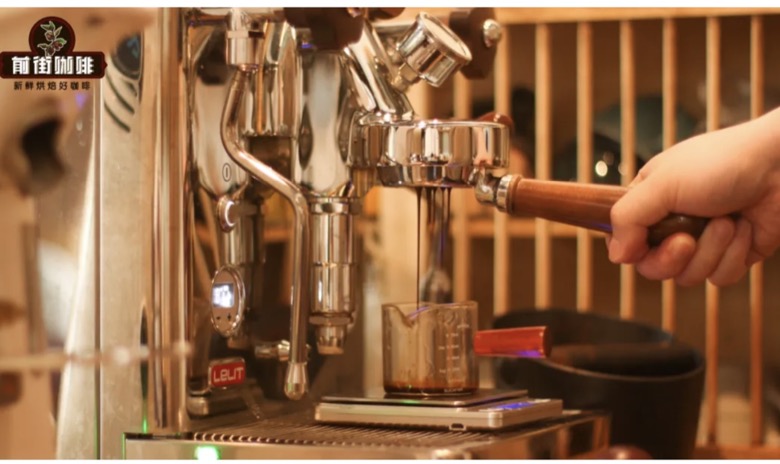
Beyond technical adjustments, you can also establish your own strategy for pairing SOEs with blends in daily use. For example, you might use stable and flavor-neutral blends on regular days to ensure consistent extraction quality every day; then, on weekends or when you want to explore different flavors, switch to SOE beans to contrast and appreciate the unique personalities of beans from various regions. This approach not only enriches your everyday coffee experience but also helps you gain deeper insight into the potential and variability of different beans.
In summary, using a home semi-automatic machine to challenge yourself with SOEs is essentially about finding the optimal synergy between the characteristics of the beans and the performance of your machine. As long as you choose single-origin beans with notable sweetness and clear flavor lines, and patiently adjust grind size, dose, and extraction time, you can consistently brew layered and three-dimensional SOEs at home. This process not only enhances your extraction skills but also fills each cup of coffee with exploration and surprise.
The above content is compiled by CoffeeHunters, a coffee news website.

