







Introduction:Recently, Heytea has quietly adjusted the prices of multiple beverage items on delivery platforms, including its popular fresh fruit and vegetable tea series. In some regions, the price increases range from 1 to 3 yuan, with outlets in Xinjiang experiencing particularly significant adjustments due to higher transportation costs. This price change has sparked widespread discussion among consumers, many of whom have complained about not being notified in advance and being unable to use discount coupons. This article details the scope of the price hikes, regional variations, and possible underlying reasons, while also providing purchasing advice to help tea beverage enthusiasts make more informed decisions.
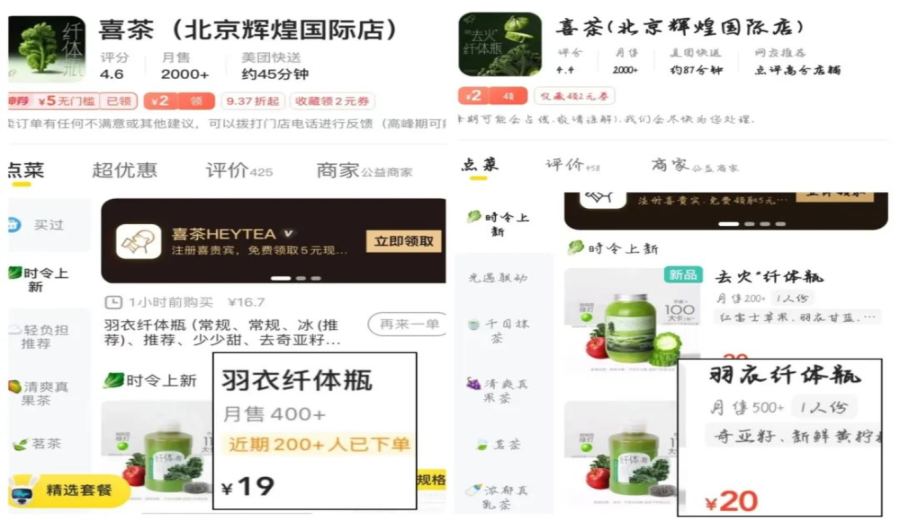
Heytea has recently raised the prices of several products on delivery platforms, including its well-loved fresh fruit and vegetable tea series, prompting extensive discussion among consumers. According to feedback from multiple users, some popular drinks, such as the “Detox Slimming Bottle,” have seen their prices increase from the original 19 or 21 yuan to 20 or 24 yuan, with hikes of around 1 to 3 yuan. These adjustments were made with almost no prior announcement.
Notably, the price adjustments vary significantly by region, with areas like Xinjiang experiencing more pronounced hikes due to higher transportation and operational costs. Users in Xinjiang pointed out that drinks which were already slightly more expensive have seen particularly sharp increases—such as the “Detox Slimming Bottle” jumping by 3 yuan in a single move—while other common beverages have also seen similar percentage hikes.
Beyond the basic price increases, many consumers have also found that discounts such as coupons and membership vouchers, which were previously available when ordering via delivery platforms, are now restricted or even unavailable in some regions, further raising the actual amount paid. One consumer bluntly stated: “Raising prices and not allowing coupon use is really hard to accept.”
Industry insiders speculate that this round of price adjustments may be related to increased commission rates imposed by delivery platforms. To maintain profit margins, brands may have chosen to adjust retail prices, while also possibly seeking to steer customers toward ordering through their official mini-programs—which have not yet followed suit with any price hikes.
Looking back to mid-September, Heytea had issued an internal letter stating its refusal to engage in low-price competition or internal “involution,” which had already drawn market attention at the time. Yet less than half a month later, delivery platform drink prices were adjusted without prior notice to consumers, leaving many caught off guard.
Regarding these price adjustments, many users have said that if the price hikes were accompanied by improvements in product quality or at least advance notice, they might be more understanding. However, not only have there been no visible improvements in the products themselves, but the lack of prior communication has left consumers feeling “stabbed in the back.” Some netizens are concerned that offline stores or the official mini-program may also gradually raise prices in the future to align all channels.
Industry analysts point out that tea beverage brands adjusting prices on delivery platforms reflect not only considerations of cost but also shifts in market strategy. Consumers are advised to compare prices and promotions between the official mini-programs and delivery platforms before placing orders, and choose the most cost-effective purchasing method.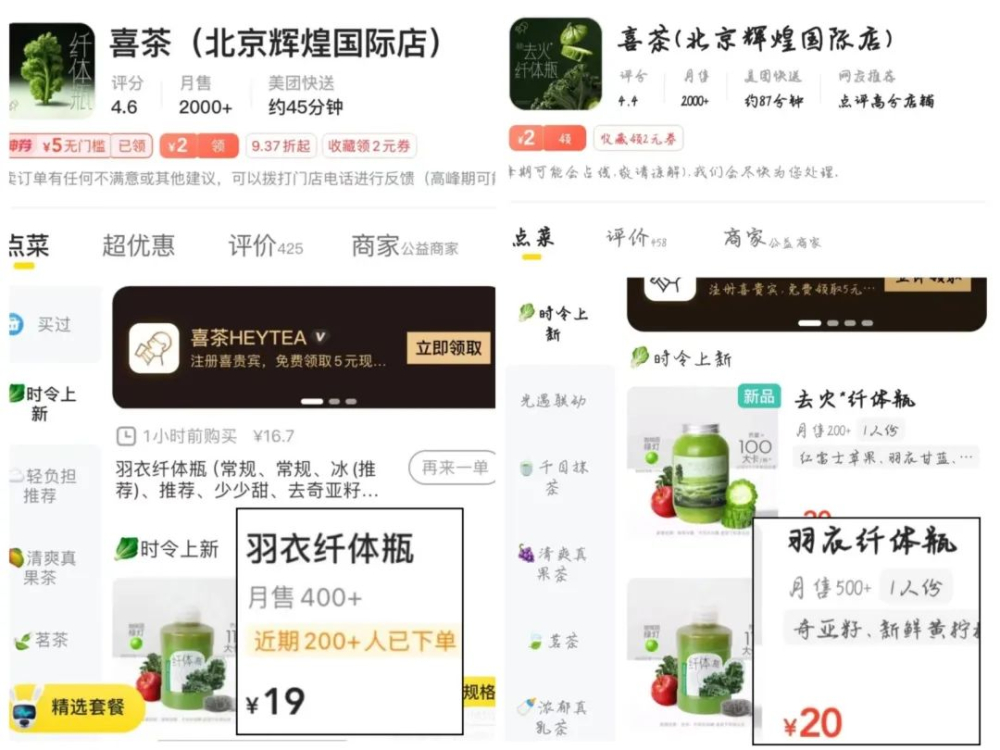
In summary, although Heytea’s latest round of delivery price adjustments may be a reasonable response in certain markets, the lack of transparent communication and advance notice has indeed affected the consumer experience. In the future, if the brand can enhance information symmetry with customers and offer more flexible purchasing options, it will help maintain market trust and customer loyalty.
The above content is compiled by CoffeeHunters, a coffee news website.


