







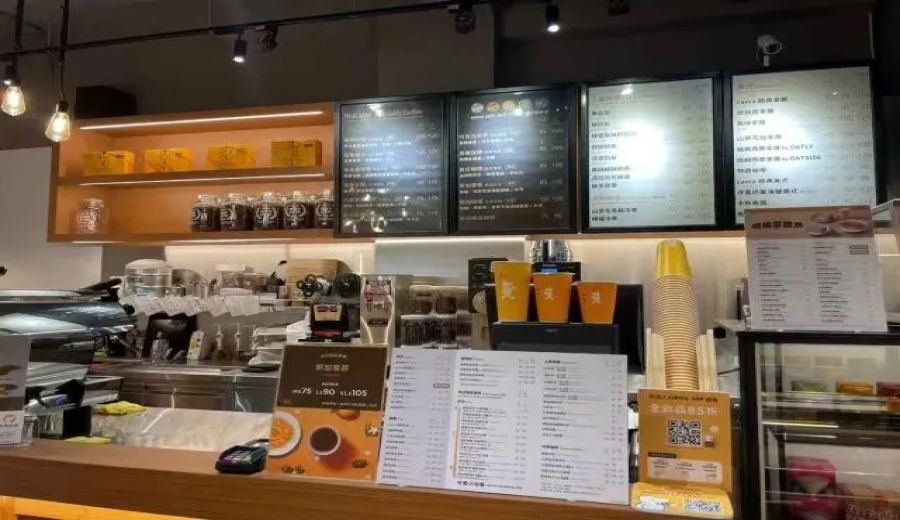
Introduction:Many coffee enthusiasts have the habit of pre-ordering multiple cups of coffee at their favorite shops for future use. But what happens when the shop suddenly closes and the unpurchased stored drinks remain unclaimed? In Kaohsiung, a consumer bought 480 cups of coffee from a chain coffee franchise, but after the store shut down, 362 cups were left unredeemed. Faced with finger-pointing between the brand headquarters and the franchisee, the path to a refund has hit a deadlock. This article delves into the potential risks of the stored cup model, the responsibility within the franchise system, and how consumers can protect themselves.
For many coffee lovers, buying a cup of coffee at a fixed shop every day has become routine. Some even opt for the "stored cup" service—purchasing multiple cups in one go to redeem later—for the sake of convenience. This model is not only common among independent cafés but is also offered by some chain brands, seemingly both hassle-free and offering discounts.
However, what should be done with those unredeemed stored drinks when a shop closes without warning? A recent case in Kaohsiung involved a consumer who pre-purchased 480 cups of coffee from a franchise of a chain coffee brand. After the store closed, 362 cups remained unclaimed, and the blame game between the brand headquarters and the franchisee has left the refund process in limbo.
It is understood that the consumer was attracted by the franchise’s promotion of “buy 100 cups, get 100 cups free.” Considering their frequent coffee consumption, they thought buying in bulk with extra free cups was a better deal, so they paid NT$30,000 in one go to purchase 480 cups. However, just over half a month later, the store suddenly closed its doors on September 1, posting a notice stating that it would suspend operations until September 30 due to staff shortages and the owner’s poor health.
If it were just a short break, the consumer might have understood. But when they saw on social media that the shop owner mentioned plans to sell the premises, concerns arose about whether the store would continue operating. The consumer stated that since storing a large number of coffees, they had visited the shop frequently, but 362 cups still remained unredeemed.
They tried to contact the shop via messaging apps. Although the owner verbally promised a full refund, they delayed the process with various excuses when the agreed date arrived, eventually becoming completely unreachable, leaving the consumer with no one to turn to.
Since the coffee shop was part of a chain brand, the consumer contacted the brand’s official channels, hoping for assistance from headquarters. However, the brand stated that the discount promotion purchased by the consumer was only valid at that specific franchise, and normally, consumers needed to use the app for the system to record corresponding purchases and stored cups. But this consumer only had a paper voucher, which could not be redeemed or refunded at other branches.
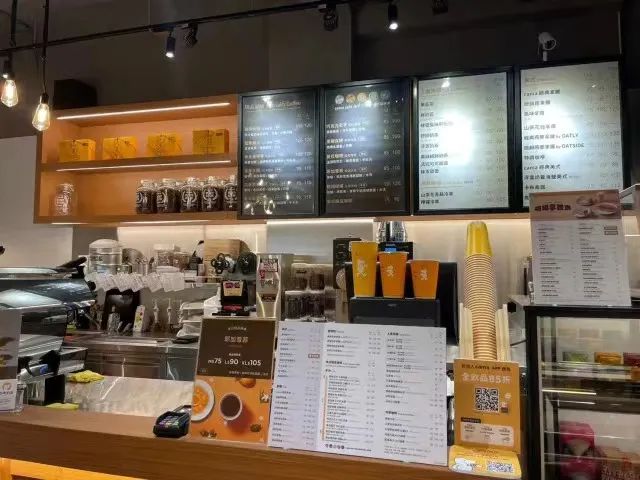
Consumer protection officials pointed out that because the franchise and the headquarters operate under an “independent accounting” system, the franchisee should be responsible for settling and refunding the consumer’s losses. But the problem is, the franchise owner is currently missing and unreachable, making it very difficult for the consumer to recover their loss.
The authorities further stated that although they could not help locate the franchise owner, the headquarters has since made contact with the consumer and is negotiating a solution. However, whether the consumer will successfully get their money back remains uncertain.
This case serves as a reminder to consumers: when choosing a “stored cup” service, attention should be paid to the stability of the shop’s operations, and brands that offer electronic records and cross-store usability should be preferred to reduce risk. If a shop closes, it is advisable to contact the headquarters and consumer protection agencies as soon as possible to clarify responsibility and safeguard one’s own rights.
The above content is compiled by CoffeeHunters, a coffee news website.


