








Introduction:Want to master the key to pour over coffee? The design differences of filter cones can significantly affect extraction efficiency and flavor expression. This article delves into the three-hole design principle of trapezoid filter cones and compares them with fan-shaped and cone-shaped filter cones (such as V60) in terms of flow rate, extraction uniformity, and flavor complexity, helping you choose the most suitable filter cone type based on coffee bean characteristics and personal preferences.
In the world of pour over coffee, the shape of the filter cone is not just about aesthetics—it directly impacts coffee extraction performance. Among them, the trapezoid filter cone has drawn attention from many coffee enthusiasts due to its unique three-hole structure. So, how exactly does this three-hole design influence extraction? What are the fundamental differences between it and the common fan-shaped filter cone as well as the widely popular cone-shaped filter cone (like the V60)? This article will analyze the advantages and limitations of the trapezoid filter cone through practical testing and provide a detailed comparison with other filter cones, helping you better understand how to make the best choice based on different coffee beans and brewing goals.
This hands-on test used Golden Mandheling coffee beans from Sumatra, weighing 20 grams, with a grind size set to reference the 11 setting on an ek43 grinder and a sieve test result of approximately 70% through a #20 mesh, indicating a particle size similar to coarse sugar—falling within the medium-coarse range, suitable for highlighting the clarity of medium-light roasted beans. The coffee-to-water ratio was 1:15, with a total water volume of 300 milliliters, water temperature controlled at 88°C, using a three-pour brewing method, and the filter cone brand used was Kalita, part of the classic trapezoid filter cone series.
What’s so special about the three-hole design of the trapezoid filter cone?Unlike the single large central hole or dual-hole design of the V60, trapezoid filter cones typically feature three evenly distributed small holes. This design effectively slows down the water flow rate, allowing for longer contact time between water and coffee grounds, thereby improving extraction stability and consistency. In addition, the folded structure of the trapezoid filter paper helps guide the water flow evenly, avoiding issues such as localized over-extraction or uneven filtration.
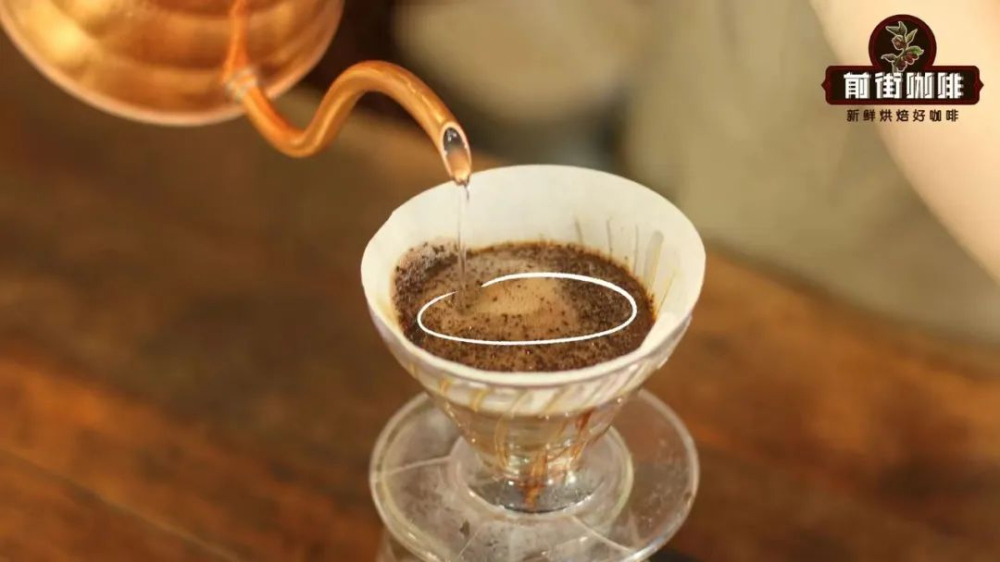
When comparing the trapezoid filter cone with the fan-shaped filter cone, the latter usually has a larger filtration area and an open-bottom design, resulting in relatively faster water flow, making it suitable for extraction styles that pursue clean and bright flavors. However, improper pouring control can easily lead to uneven extraction. The trapezoid filter cone, limited by its three holes, slows the flow rate, making it easier to manage the extraction rhythm, especially for those who prefer a richer mouthfeel and clear flavor layers.
Now let’s look at the cone-shaped filter cone (such as the classic V60), whose funnel-like design concentrates the water flow, and which usually has one or two large holes, resulting in faster extraction speed during the brewing process—this helps highlight the coffee’s high acidity and aroma. But this also demands higher pouring technique, and beginners are more prone to issues like over-extraction or under-extraction. In contrast, the trapezoid filter cone, with its more stable structure, requires slightly less precision in pouring technique, making it a more beginner-friendly option for those new to pour over brewing.

During the actual brewing process, using the trapezoid filter cone with the aforementioned parameters, the Golden Mandheling exhibited distinct notes of spice, nuts, and a hint of chocolate, with a smooth mid-palate and clear layering, and a sweet and soft finish. This is directly related to the uniform extraction guided by the filter cone. If a fan-shaped filter cone were used, the flavors might be brighter but with slightly weaker detail layers; whereas using the V60 could easily emphasize brighter citrus and floral notes, but if not well-controlled, the flavors could become unbalanced.
Overall, the trapezoid filter cone is best suited for situations where stable extraction, balanced flavors, and minimal operational complexity are desired. Its three-hole design automatically regulates the flow rate, reducing the chance of mistakes, and provides more even saturation of the coffee bed. If you often use medium-dark roasted beans, or enjoy rich coffees with caramel and nutty profiles, the trapezoid filter cone is a worthwhile option to consider.
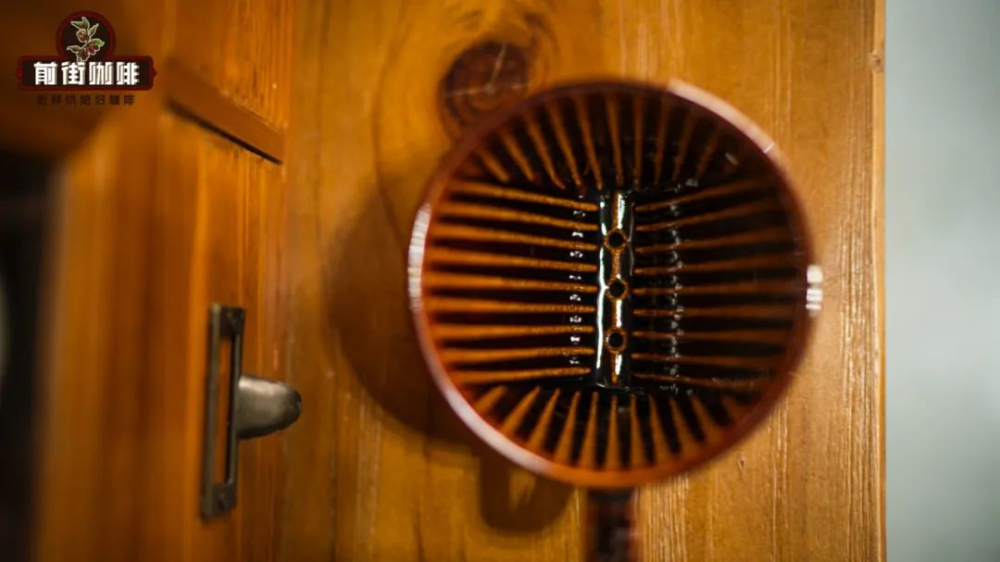
However, the choice of filter cone still needs to be adjusted according to the roast level of the coffee beans, grind size, and personal taste preferences. For example, light roasted beans are usually better suited to cone-shaped filter cones with faster flow rates to showcase their acidity and complex aromas; while medium-dark roasted beans can better complement the stable extraction characteristics of trapezoid or fan-shaped filter cones. Beginners are advised to start with the trapezoid filter cone, familiarize themselves with water flow and timing control, and then try other types of filter cones to gradually develop their own pour over style.
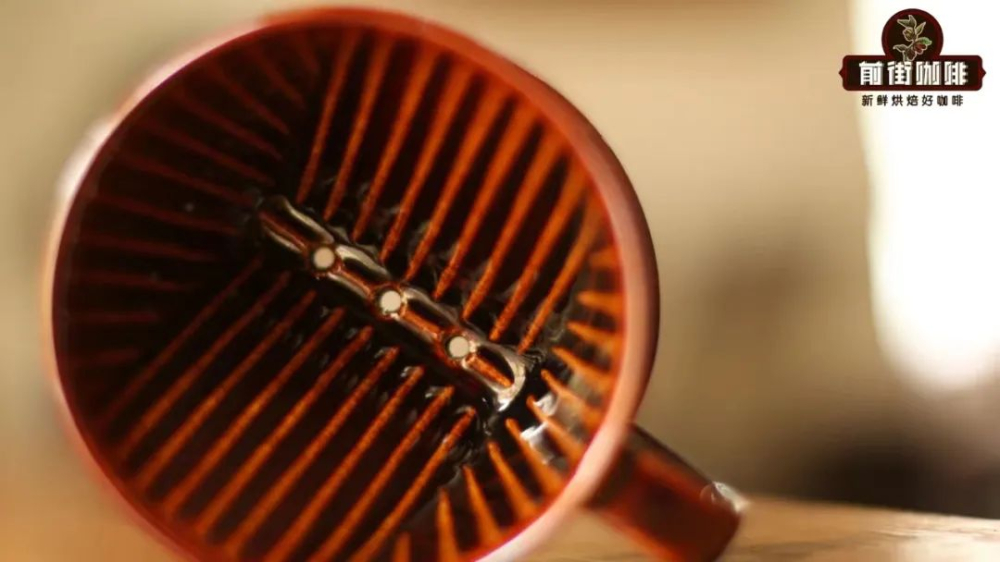
In summary, the three-hole design of the trapezoid filter cone provides a more controllable extraction environment, effectively balancing flow rate and flavor expression, making it an ideal choice between stability and flavor articulation. Whether you’re just beginning to explore pour over coffee or have some experience and want to try different filter cone characteristics, understanding these structural differences will help you adjust your brewing strategy more precisely and extract the coffee flavors you’re most looking forward to.
The above content is compiled by CoffeeHunters, a coffee news website.


