








Introduction:The pouring technique in pour over coffee is one of the key factors that influence the flavor profile of a cup. Among them, the single-pour (一刀流) and three-pour (三段式) methods are the two most widely discussed and mainstream techniques among pour over enthusiasts. This article will delve into the specific differences between these two methods in terms of operation steps, extraction time, acidity-sweetness balance, and clarity of mouthfeel. Through practical test data and parameter settings, it will help readers understand how different pouring strategies shape the flavor profile of coffee, thereby enabling them to choose the extraction method that best suits their personal taste.
During the pour over process, the pouring technique not only determines the efficiency of water interacting with coffee grounds but also directly affects the final flavor presentation. The two widely known main pouring techniques—single-pour and three-pour—each have their unique extraction logic and flavor characteristics. The single-pour emphasizes a stable and continuous pouring rhythm, making the overall operation relatively simple and suitable for beginners; whereas the three-pour controls the extraction rhythm through segmented pouring, allowing for more precise adjustment of flavor release at each stage, making it ideal for coffee lovers who pursue layered complexity.

Taking an actual test as an example, when using the same coffee beans (15 grams, EK43 grind size at setting 10), a brew ratio of 1:15, a water temperature of 92°C, and a V60 filter, the single-pour and three-pour methods resulted in extraction times of 1 minute 50 seconds and 2 minutes 1 second, respectively. Although the difference is less than a minute, the impact on flavor is quite significant.
When using the single-pour technique, the water flows continuously and evenly, making the coffee extraction process relatively smooth. The acidity is bright and refreshing, the mouthfeel feels light yet layered, and the overall taste is cleaner and more precise. Since this technique does not involve interrupting the pour, it maintains a consistent extraction pressure, which helps highlight the coffee’s bright fruity acidity and floral notes.
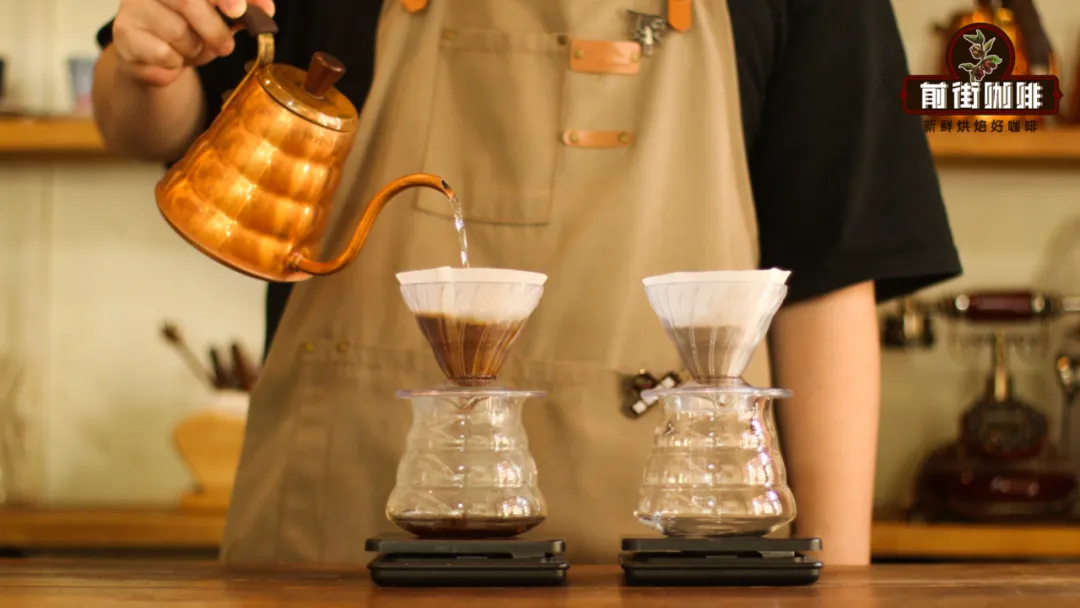
In contrast, the three-pour technique is divided into three stages: initial wetting, middle-stage focused extraction, and final-stage adjustment. By pouring in separate stages, it allows for more flexible control over the extraction intensity and timing at each phase, thereby bringing out deeper sweetness and complex flavors in the coffee. Practical tests show that under the same conditions, the three-pour method can significantly enhance the sweetness of the coffee and make the overall flavor more layered and profound, making it suitable for users who prefer a rich and varied mouthfeel.
It is important to note that regardless of which pouring method is chosen, stable water flow control and even distribution of the coffee bed are the foundations of a successful extraction. While the single-pour is more intuitive to operate, it still requires consistency in pouring height and speed to avoid over-extraction or under-extraction caused by water that is too fast or too slow. The three-pour, on the other hand, places greater emphasis on the amount of water and interval timing for each stage. Beginners are advised to record the time and amount of water used for each pour during practice to gradually find the optimal balance.

In addition, the characteristics of different coffee beans also affect the choice of pouring technique. For example, light-roast beans typically have higher acidity and fruity notes, making them well-suited for the single-pour to highlight their fresh qualities; whereas medium-to-dark roast beans, which contain more caramel and nutty characteristics, can better showcase their sweetness and full body through the three-pour. Therefore, it is recommended that coffee enthusiasts flexibly adjust their pouring strategy based on the bean variety and roast level used, in order to find the extraction method that best matches their personal taste.
In summary, both the single-pour and three-pour methods have their own advantages and applicable scenarios. The single-pour, with its simple and smooth operation, brings out clear and bright acidity along with a clean mouthfeel, making it suitable for users who prioritize efficiency and basic flavor expression. The three-pour, through segmented control, unlocks richer sweetness and complex layers, making it an ideal choice for advanced users exploring the finer details of coffee. Through practical testing and continuous experimentation, every coffee enthusiast can find their own optimal pouring technique and enjoy the pleasure and subtle variations in the pour over process.
The above content is compiled by CoffeeHunters, a coffee news website.


