







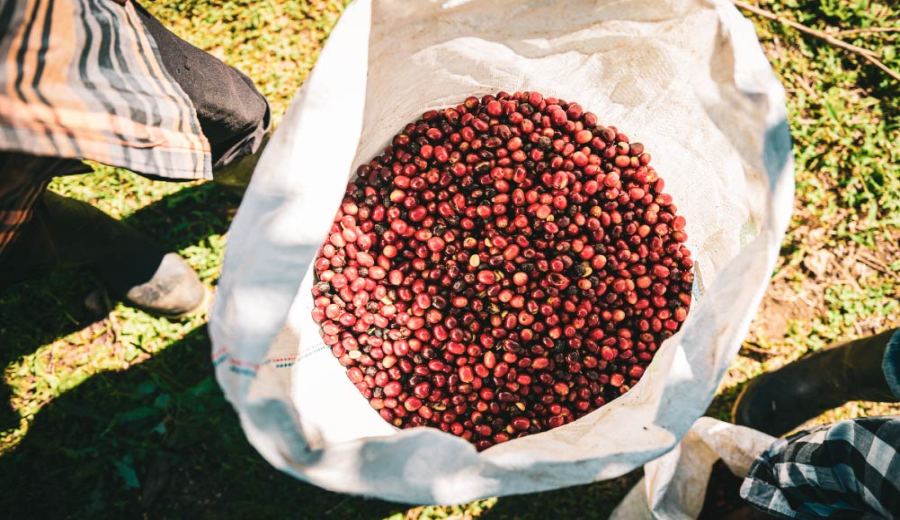
Introduction:Colombia is the world’s third-largest coffee-producing country. Its unique Andean terrain and diverse microclimates nurture numerous high-quality coffee-growing regions. This article delves into the geographical conditions, climate characteristics, and their impact on coffee flavor in two renowned regions—Huila and Tolima—as well as analyzes common processing methods and variety traits found locally, helping readers better understand the diverse charm of Colombian coffee.
Boasting the high altitudes of the Andes Mountains, fertile volcanic soils, and varied microclimates, Colombia is one of the world’s major specialty coffee producers, second only to Brazil and Vietnam. The country is divided into 15 coffee-growing regions based on provinces, among which Huila Province is the most prestigious, while Tolima Province has rapidly risen to become the nation’s third-largest coffee-producing area. This article will focus on these two key regions, exploring how their terroir shapes distinctive coffee flavors and examining the critical elements in cultivation and processing.
South America is located in the Western Hemisphere, with a terrain dominated by plateaus, mountains, and plains. The Andes Mountains consist of three cordillera systems—the Eastern, Central, and Western—and have an average elevation exceeding 3,000 meters, hosting numerous active volcanoes that provide mineral-rich volcanic ash soil. The mountainous region features a wide altitude range between 300 and 3,000 meters, coupled with the interplay of tropical and subtropical climates, enabling Colombia to grow uniquely characteristic coffees at varying elevations. Especially in the foothill zones between 1,000 and 2,000 meters, where the climate is cool and stable, it forms the golden zone most suitable for growing Arabica coffee.
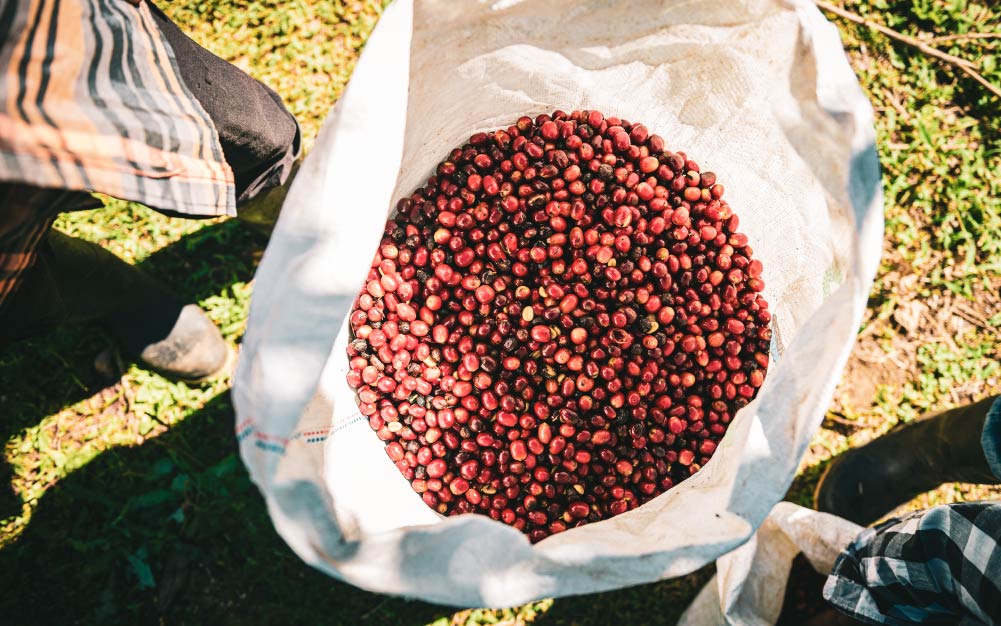
Colombia is predominantly mountainous, especially the western Andes, which serve as the core area for coffee cultivation. The country has a diverse range of climates: the eastern part features a tropical rainforest climate with high temperatures and abundant rainfall; the northwest has a tropical savanna climate with distinct wet and dry seasons; while the central and western mountainous areas form a mild mountainous subtropical climate due to higher altitudes, with significant day-night temperature variations that help coffee cherries accumulate flavor compounds. Moreover, due to mountain barriers, each area develops its own independent microclimate, allowing Colombia to harvest coffee nearly year-round, ensuring fresh seasonal beans are available at any time.
Among Colombia’s 15 main coffee-growing regions, Huila Province (also translated as Urra Province) is world-renowned for its exceptional quality. Located in southwestern Colombia, it lies in a valley nestled between the Eastern and Central Cordilleras, with terrain acting like a natural barrier that effectively shields against strong winds and extreme weather. The local climate is mild, and the Magdalena River flowing through provides ample water supply, creating an optimal environment for coffee tree growth. Huila Province not only boasts the renowned Huila Volcano (the highest volcano in Colombia) but also nurtures many specialty coffee farms, such as El Diviso and El Rorble, which are known for their refined cultivation and processing techniques.
In a bean subscription series launched by a certain brand, a washed Caturra coffee bean from Huila Province has received high praise. This bean, meticulously processed via the washed method, fully showcases the classic balance typical of Colombian coffee. After brewing, its flavor profile is clear, featuring intense dark chocolate, nutty, and caramel aromas, with a pronounced sweet aftertaste. The acidity is soft yet carries delicate fruity notes, especially noticeable during low-temperature brewing, where its layered finish becomes even more apparent. It is an excellent choice for pour over coffee enthusiasts.
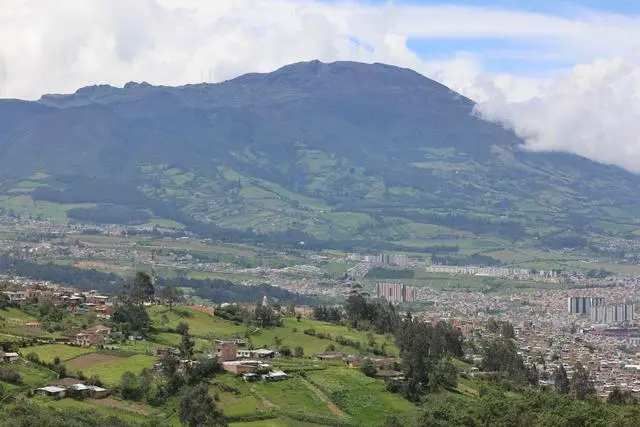
In recent years, Tolima Province, located in central-western Colombia, has gradually gained market attention and is now the country’s third-largest coffee-producing region, accounting for 12% of the national annual coffee output. The province lies in the southern section of the Andes Mountains, characterized by high mountains and deep valleys. North-south mountain ranges intersect with the Cordillera system, and the Magdalena River runs through the center, forming a unique geographical layout. The name “Tolima” originates from the Pijao language of the indigenous people, meaning “covered in snow,” reflecting its highland climate characteristics.
Coffee farms in Tolima Province are generally larger in scale, mostly ranging between 10 to 15 hectares, and cooperative operation models dominate. Farmers typically deliver small batches of fresh cherries to centralized processing facilities run by cooperatives, where fermentation, washing, and drying processes are uniformly carried out to ensure stable quality. Additionally, some farmers opt for self-processing, using small-scale setups to complete the process on the day of harvest to preserve the most original fruit characteristics. The coffee-growing environment here is similar to that of Huila, also benefiting from high altitudes and volcanic soils. The resulting coffee often exhibits rich fruity aromas, bright acidity, and a full body, making it ideal for coffee drinkers who enjoy complex flavor profiles.
In summary, Colombia’s Huila and Tolima regions each possess unique geographical and climatic conditions, giving rise to distinctly different yet equally remarkable coffees. Whether you’re seeking balanced and full-bodied washed beans or fruity and distinctive specialty-processed coffees, these two regions offer a diverse array of choices. Gaining a deeper understanding of the terroir background of these regions helps coffee enthusiasts make more personalized decisions when selecting and brewing coffee.
The above content is compiled by CoffeeHunters, a coffee news website.


